Archive for the ‘2012 Strong and Prosperous Nation (Kangsong Taeguk)’ Category

North Korea Pushing Forward with the Project of Constructing 100,000 Housing Units in Pyongyang

Friday, November 4th, 2011

Institute for Far Eastern Studies (IFES)
2011-11-03

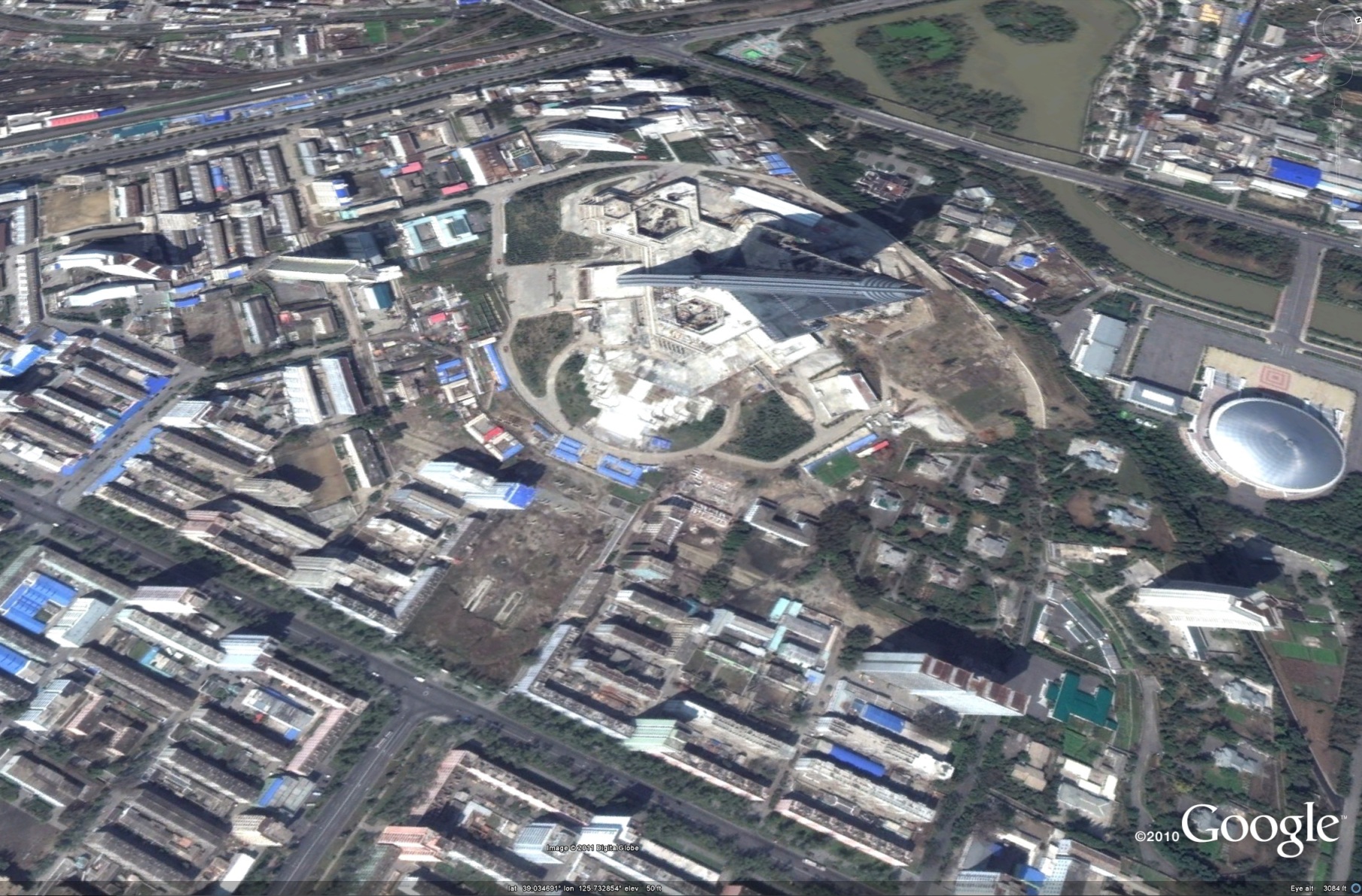
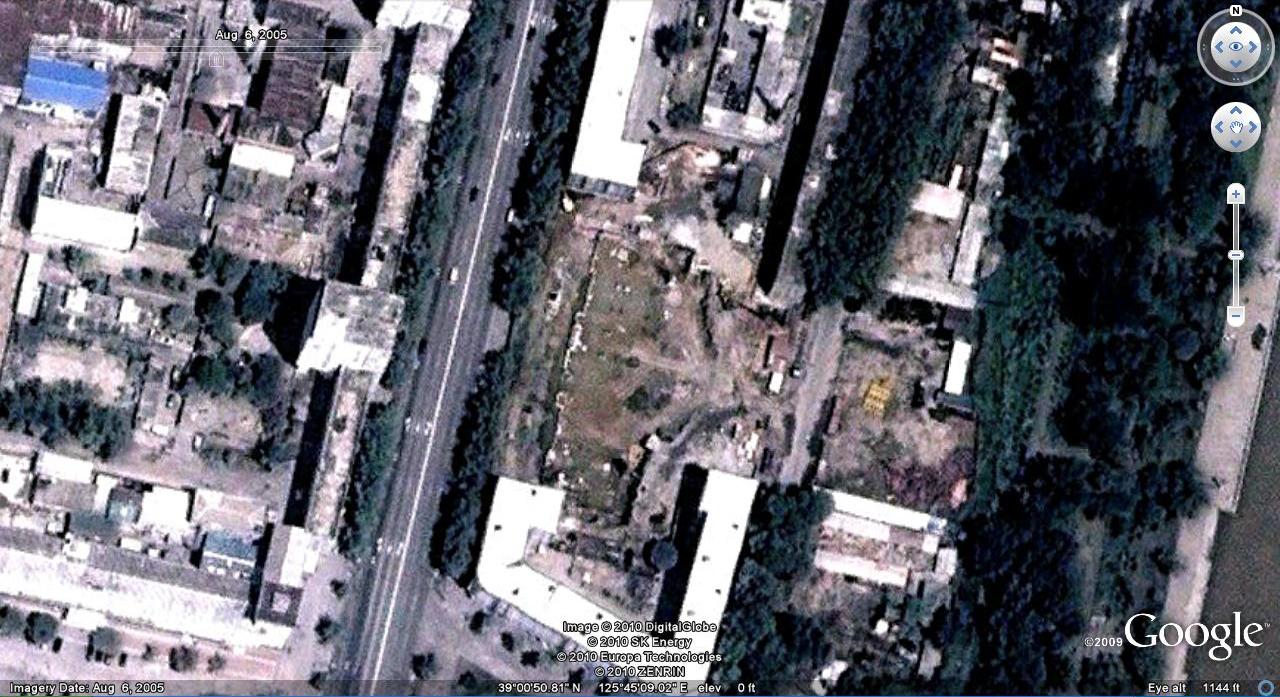
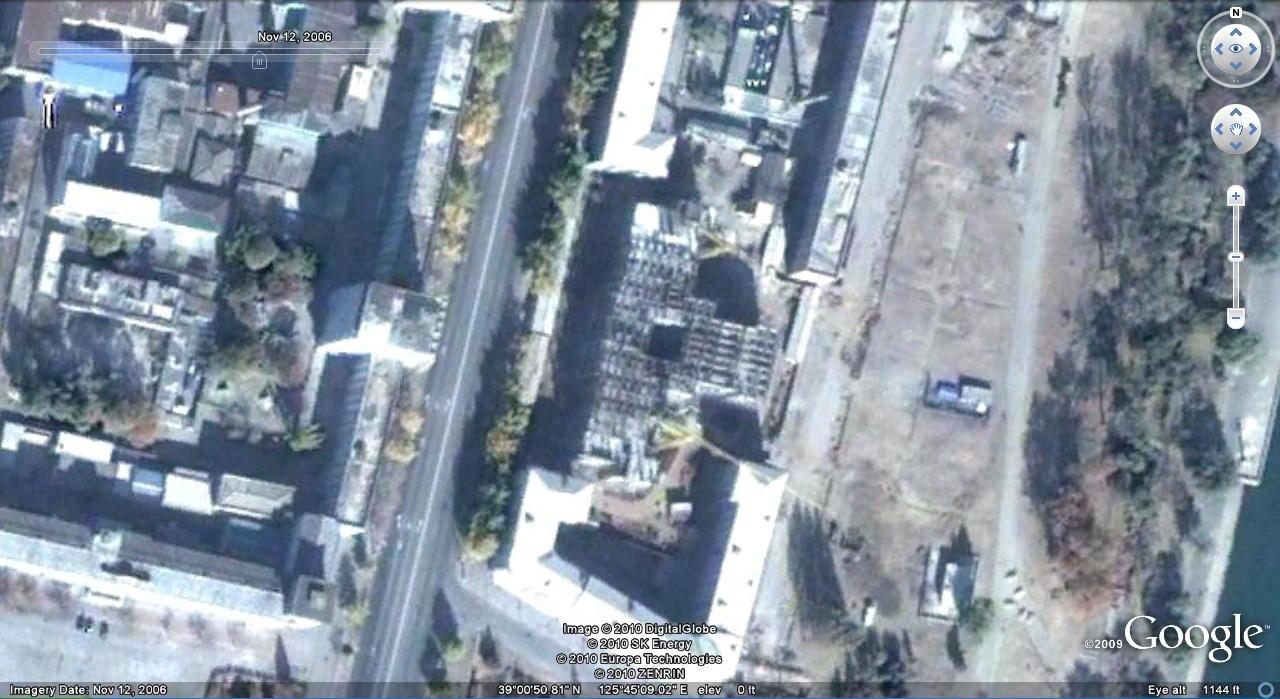
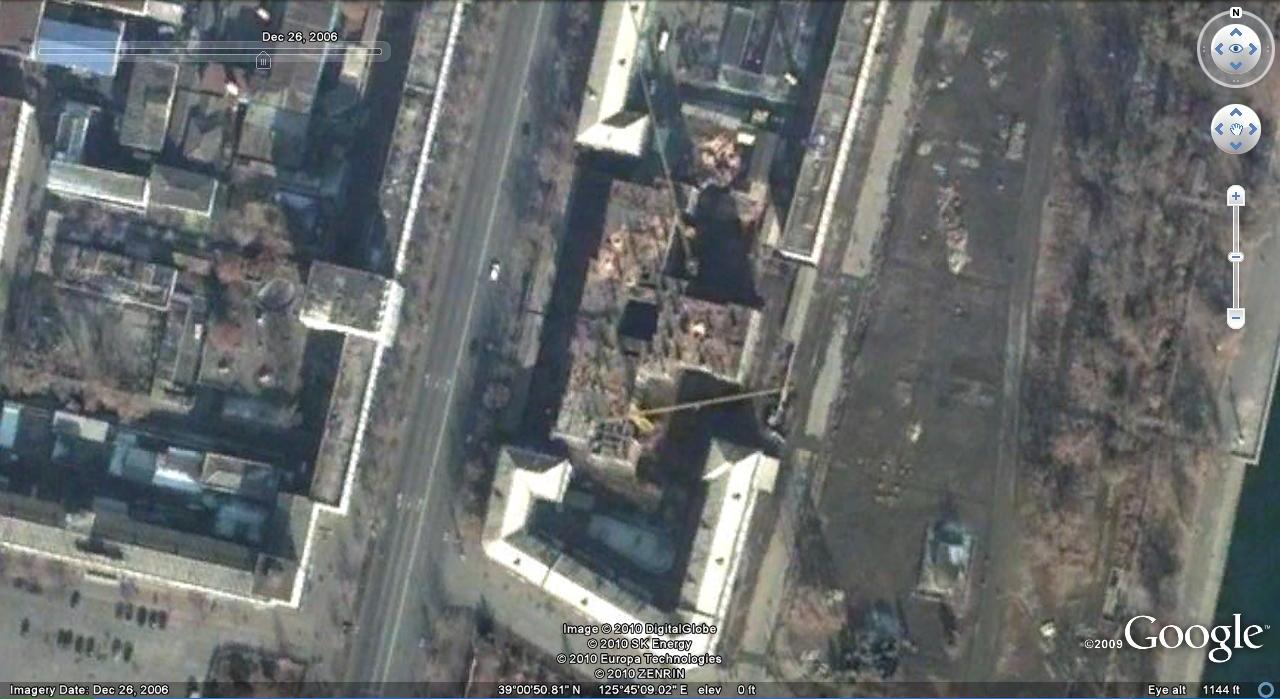
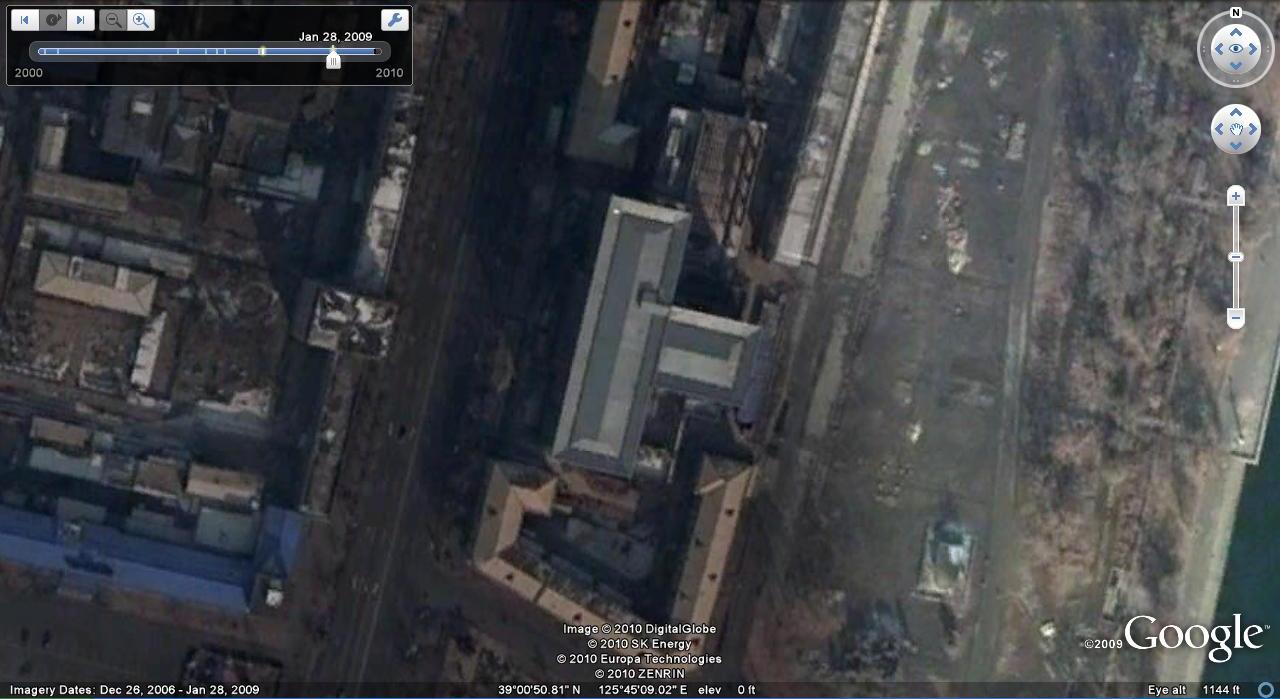
In order to celebrate Kim Il Sung’s centennial birthday next year on April 15, 2012, the plan to build 100,000 private homes in Pyongyang is quickly underway. North Korea has announced its intension to upgrade Pyongyang into a city with over 100,000 homes. Pyongyang’s district of Mansudae is to build over one thousand units of high-rise apartments (77 stories), theaters, parks and other recreational facilities.

The KCNA reported on October 11, “For the next Day of the Sun, Pyongyang will be completely transformed.” The news added, “The construction of private homes has been in progress for five months and is at 70 percent completion. Mansudae District is rapidly changing with skyscrapers and high-rise apartments appearing throughout the city. Construction of theaters and service facilities are also in development.”

Facing Mansudae is Dongpyongyang District, another area in Pyongyang under enhancement and has secured over 17,400 square meters of land for multi-purpose service facilities and 9,660 square meters for a public outdoor ice rink. The KCNA elaborated, “The multi-purpose facilities encompass bathhouses, beauty salons, and other latest facilities of convenience. In the public outdoor ice rink, circular ice rink, bleachers and cultural recreational facilities will be built to provide necessary environment for people to enjoy various ice sports.”

Rungrado Recreation Ground is also reported to be rejuvenated with a variety of amusement rides and multipurpose water park. The water park will be equipped with wave pools, waterslides, and health pools.

In addition, Pyongyang is focusing on gardening and exterior beautification projects for private homes and public buildings, including installation of colorful tiles and paints as well as bright neon signs in the streets.

“The Development Project of 100,000 Housing Units in Pyongyang” went into effect since 2009 but talks of reducing the project to 20,000 homes surfaced when it was faced with funding difficulties. However, the original plan of building 100,000 homes has not faltered and appears to be in full swing.

Early this year on January 3, a public rally was held at the Kim Il Sung Square with over 100,000 people present. At that time, the homebuilding project of Pyongyang was announced in which “Pyongyang City will be equipped to enter the era of strong and prosperous nation in all sectors.”

In July 2008, the General Bureau of Capital Construction began a large-scale redevelopment project. Completed a year later on September 2009, 600 old homes mostly built in the 1960s were demolished and in their place an apartment complex with over 800 homes went up. This project received undivided attention from Kim Jong Il, Chang Sung-Thaek, administrative director of the Worker’s Party of Korea, among many other top officials of North Korea.

For North Korea, “The Development Project of 100,000 Housing Units in Pyongyang” has become a symbol of building a strong and prosperous nation.

Additional information:
1. Previous posts on the DPRK’s “2012 Kangsong Taeguk” policies can be found here.

2. Previous posts on “Construction” can be found here.

3. The Pyongyang’s university students are (mostly) involved in construction projects.

4. See photos of the construction by Ray Cunningham here.

Share

DPRK in 2012 fundraising spree

Monday, October 31st, 2011

According to the Daily NK:

North Korea is pushing every angle to try and obtain more foreign currency to bolster its coughers and fund its 2012 festivities.

According to North Korean sources, apart from the standard blanket expropriation of a large proportion of the $200-1500 per month incomes of laborers based abroad, in recent times the authorities have also started to move in on the reserves of ordinary citizens inside North Korea’s borders.

Various enterprises and organizations are said to be in fierce competition to get hold of whatever foreign currency and gold is held by the people. Trade banks have also apparently responded to the situation by offering to exchange foreign currency at the black market rate of 2,800 won per U.S. dollar, instead of the laughable official exchange rate.

Elsewhere, mobile phone sales are helping the regime to dredge currency from the people. The North Korean Ministry of Communications is reportedly making impressive profits by monopolizing the importation of phones made by Chinese companies ZTE and Huawei, buying them for $80 per handset and reselling them for $300. Based on known prices, connection fees and a service take-up of 700,000 people so far, the authorities have presumably managed to earn $250m through this practice alone.

Overseas Koreans also say they are being pushed to add to the funding drive. Ethnic Koreans in the United States have claimed that North Korea has offered them the chance to reunite with long lost family members in the North for a cost of several thousand dollars per person, including brokerage and security fees, although this has been apparently going on for a number of years.

Over in Japan, meanwhile, it was also revealed by weekly publication AERA that North Korea has sent letters to elderly members of the Chongryon inviting them to return to North Korea with the promise of being able to live well on their pensions. It is suspected that the North hopes to be able to withhold news of their eventual passing so as to keep receiving the pensions in the medium term.

Finally, the workers and businesses at the Kaeseong Industrial Complex have also become a target of the fund raising drive. North Korean management in the Complex requested back in August that South Korean businesses stop offering ‘Choco-pies’ (a South Korean snack) to North Korean workers and give them cash instead.

However, the overall results are unlikely to be positive. The planned illusion of plenty may be briefly achieved next year, but the majority of experts agree that the North Korean regime is now distorting the economy more and more by focusing on events idolizing the Kim family at the expense of other issues that will inevitably come back to haunt the regime later.

Yonhap also reported on this story.

Read the full Daily NK piece here:
2012 Funding International Overdrive
Daily NK
2011-10-31

Share

Hamhung traders taxed to fund Pyongyang construction projects

Tuesday, October 18th, 2011

According to the Daily NK:

The North Korean authorities in Hamheung are demanding 150,000 won from each trader in local markets to support construction projects in Pyongyang, according to a source from the city.

“Since the start of October, Hamheung Municipal People’s Committee has been taking money from market traders on the premise that ‘You have to give material support to Pyongyang construction workers,’” the source told the Daily NK today. “In the case of traders in the markets in Hoisang and Sapo, they are being asked for as much as 150,000 won each.”

Hamheung is the most famous industrial city in North Korea, and as such has larger markets than many other places. Thus, given that each of the two markets mentioned by the source has more than 500 traders, if the authorities were to reach their goal figure then they would be able to take 75,000,000 won from each one.

However, the Market Management Office for each market already receives 300-500 won per day from traders in the form of a ‘stall tax’, with sellers of home appliances and other high priced goods paying 500 won and those who sell food only paying 300 won. Thus, 150,000 won represents a huge cost, and many traders are apparently reacting to the demand with incredulity.

The source also noted that this does not appear to represent a central Party directive, with only traders in South Hamkyung and Yangkang Province having been hit by it to date.

“In Hyesan Market in Yangkang Province, it is 100,000 won per trader,” the source revealed, adding, “It seems like a case of the provincial Party preparing funds to support Pyongyang construction by taking money from traders.”

Elsewhere, although traders are now angry at the demand for funding, everything else is good, with official market controls being very lightly implemented at the moment, according to the source.

“The market is open from morning to night, and with the exception of the usual crackdowns on grasshopper traders there are no notable inspections,” he revealed.

But then, he added sarcastically, “They are taking money from the market as if it were some kind of state industry, so maybe that’s why they are leaving it alone.”

Read the full story here:
To Hamheung Traders: 150,000 Won for Pyongyang!
Daily NK
Lee Seok Young
2011-10-18

Share

DPRK announces 2nd renovation in Mansudae area of Pyongyang

Tuesday, October 4th, 2011

UPDATE 6 (2011-10-4): According to the Daily NK:

Progress on the project to build 100,000 homes in Pyongyang is moving forward rapidly in at least one location: central Changjeon Street. According to a source from the city who spoke with The Daily NK yesterday, “There are around 30,000 homes being constructed along Changjeon Street, and the shells have almost all gone up.”

Changjeon Street is in the heart of Pyongyang, near well-known spots such as Mansudae Assembly Hall and the giant bronze statue of Kim Il Sung. The authorities are known to be focusing the state’s limited power on construction in this area, with the intention of completing at least the most visible part of planned projects ordered for the commemoration of the 100th anniversary of Kim Il Sung’s birth in April, 2012.

North Korea is understood to have invited a number of foreign dignitaries to witness several big events it has planned for next April, including the Spring Friendship Art Festival and the April 15th ‘Day of the Sun’ birthday celebrations. In that context, completing construction along Changjeon Street is a natural priority.

Changjeon Street was apparently given a further boost following the visit of Kim Jong Il to China in May. Kim was reportedly struck by the inadequacy of Pyongyang when held up against major cities in China, and called for improvement.

The authorities thereafter ordered that the skeletons of homes on Changjeon Street be completed by the anniversary of the Party foundation, which falls on October 10th. According to the source, “The pace of construction has picked up since the authorities ordered that the building frames be completed by October 10th.”

“They started work on a 40-storey building at the end of May, and now are up to the 35th storey. They are using a waterproofing agent that causes the cement to dry quickly, which means they sometimes get through three floors a day,” he continued.

Rodong Shinmun, the Party mouthpiece publication, described the renewed pace of operations on Changjeon Street last Thursday, stating proudly, “The blinding pace of the audacious construction offensive, paying no heed to night or day, has allowed for the construction of the framework of a 40-floor high-rise residential building in no time at all.”

Similar progress is being seen on road extensions and beautification projects nearby. The source said, “Road extension projects have been completed, including that of the road in front of the Botong River and Pyongyang Gymnasium. They’ve put flower beds by the side of the road and the whole area is now in a very good state.”

However, the fixation with construction on Changjeon Street is leading to accidents there, the source added, noting, “Because they only pressure us to speed up and don’t say anything about safety, there have been frequent incidents of workers falling.”

It is also causing other projects in the city to lag far behind. According to the source, “The authorities are doing renovations on houses along the main roads, but only painting and sprucing up the areas which can be seen. The buildings along Tongil, Hyungsaesan and Yongseon Streets were all demolished in 2009, but as yet there is no sign of progress from the company which has been tasked with the construction work.”

UPDATE 5 (2011-6-8): According to the Daily NK:

Finally, yesterday’s Rodong Shinmun, citing a statement from Kim Jong Il himself, went on to remind the people, “Construction in Pyongyang is not simply an issue of operational economics regarding the formation of roads and construction of homes, it is an important political issue related to the prestige of Socialist Chosun and dignity of the Kim Il Sung Motherland.”

This kind of propaganda push is aimed at ensuring the people are cogent of fact that modern buildings are being constructed by the authorities; an attempt to bring to life ongoing propaganda about the strong and prosperous state, which inside sources suggest is viewed with considerable public cynicism.

According to the Chosun Shinbo piece dated June 23rd, the construction at Mansudae is set to include a complex of 14 new apartment buildings, including North Korea’s tallest at 45 floors, a school, nursery and other public buildings. Elsewhere, there is a plan to pull down older construction in Mansu-dong and replace it with a park, and another to put up a modern cylindrical and square apartment building in the vicinity of Pyongyang Students’ and Children’s Palace.

Meanwhile, all the talk of modernity fits well with efforts to promote the youthful vigor of successor Kim Jong Eun, especially as it surrounds the statue of Kim Il Sung on Mansudae Hill, which is itself said to be undergoing a facelift.

In yesterday’s piece, Rodong Shinmun went on, “According to the Party’s grand capital construction plan, a fire of new Pyongyang creation is blazing violently in the ongoing Mansudae area construction,” adding, “According to this warlike strategy, in a short time, less than a month after it began, the groups taking part in the construction had achieved innovative results, digging the vast foundations of the new homes and laying the concrete.”

However, rumor has it that the reality does not meet the heights of this official propaganda, with the authorities having only managed to construct some 500 new residences in the period to the end of 2010.

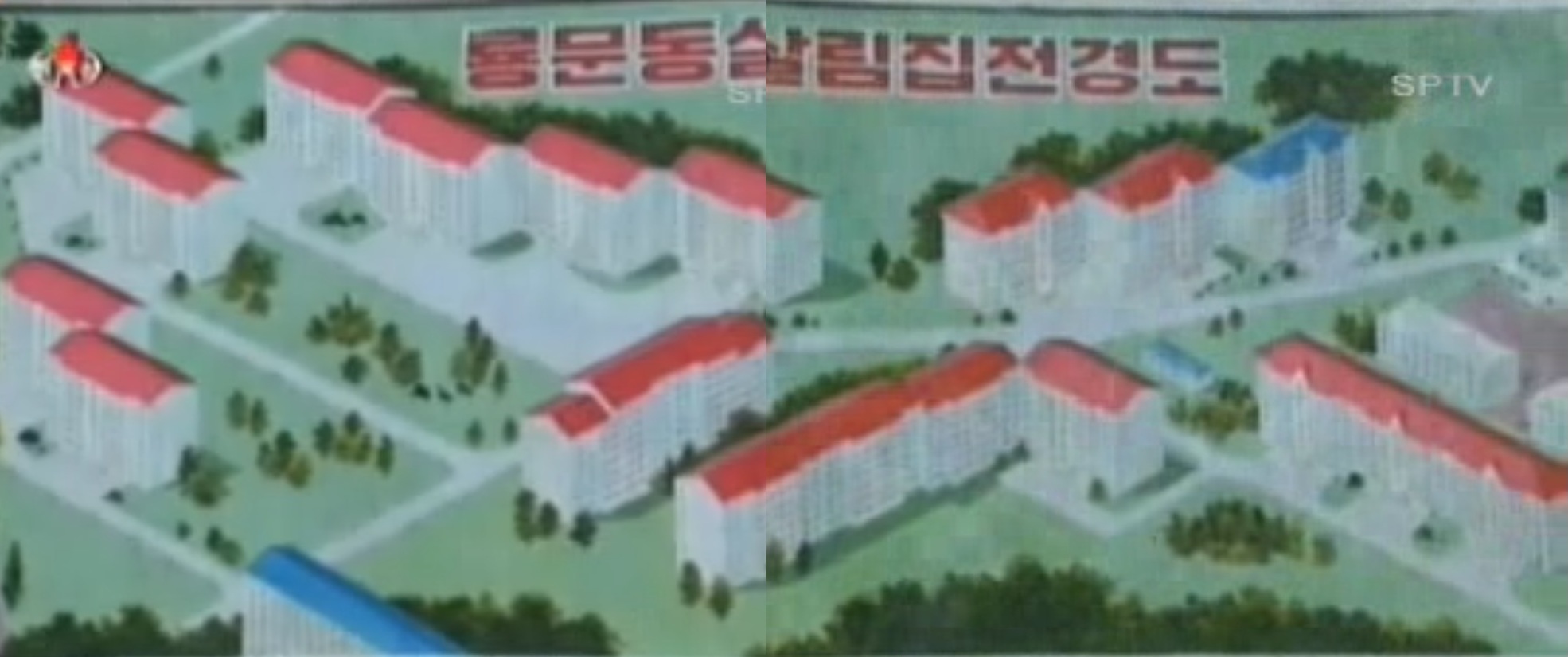
UPDATE 4 (2011-6-8): KCTV has braodcast new footage of the construction zone and explained what a few of the new buildings will be.  I have uploaded the particular video clip to YouTube, and you can watch it here.

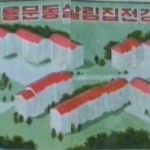
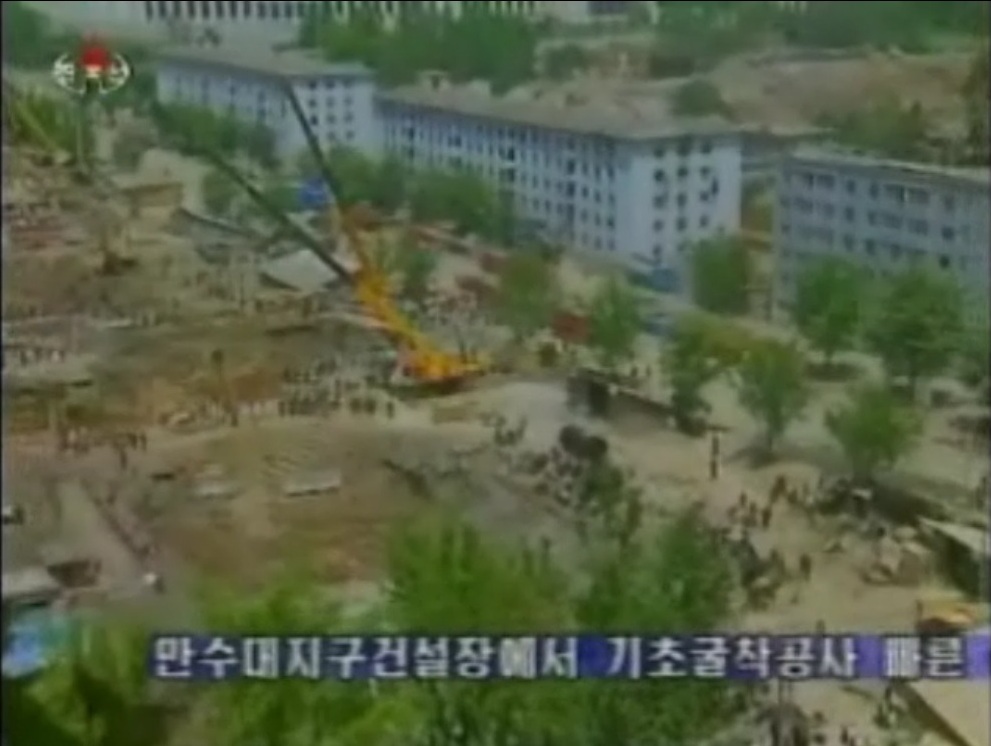
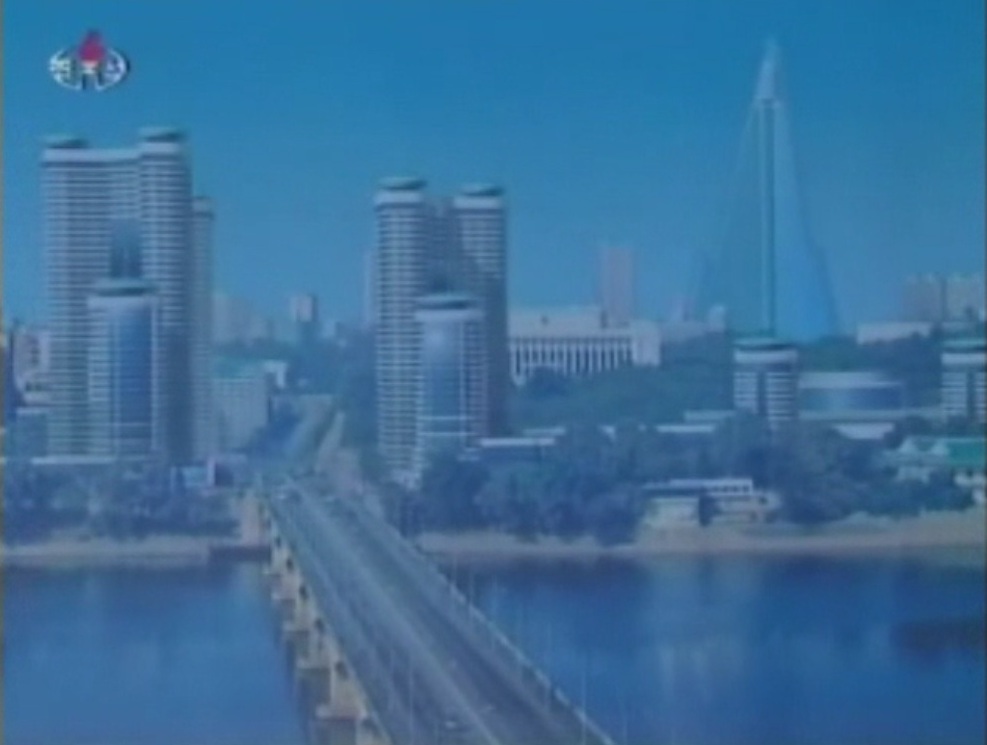
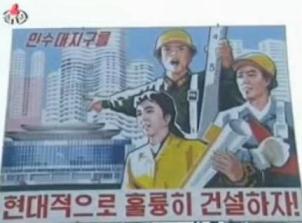
Below are screen shots.  In the picture on the left, we can see that many of the older buildings in the area have already been removed and holes have been dug for the new foundations.  In the picture on the right we can see another conceptual shot of the area from the other side of the Taedong River.

UPDATE 3 (2011-6-8): According to the Pyongyang Times:

A huge construction project has been undertaken to renew the looks of the Mansudae area of Pyongyang on the occasion of the 100th birthday of President Kim Il Sung (April 2012) as part of the grand capital construction plan of the Workers’ Party of Korea.

The project includes the construction of modern dwelling houses and a monumental structure in the area in central Pyongyang where the statue of President Kim Il Sung stands and the development of parks in the surroundings to meet the requirements of the new century. It will be a big stride forward to building Pyongyang magnificently as the world-level city.

The ground-breaking ceremony took place on May 22.

It brought together Premier Choe Yong Rim, Minister of the People’s Armed Forces Kim Yong Chun, Vice-Premiers Jon Ha Chol and Ro Tu Chol, officials from ministries, national agencies and municipality and tens of thousands of builders.

Premier Choe Yong Rim made a keynote speech.

He noted that leader Kim Jong Il saw that monumental structures were built everywhere in the capital to glorify the President’s revolutionary exploits for all ages. He then referred to the facts that the leader initiated the construction of Changgwang and Kwangbok Streets and other large projects and led them in the van to bring about a radical turn in building the capital and improving the people’s livelihood.

He said that under his wise guidance modern houses including those in Mansudae Street and at the foot of Haebang Hill, cultural and public service facilities, parks and recreation grounds were built in recent years and gigantic housing development and city landscaping projects are now dynamically pushed forward in Pyongyang.

More recently the leader suggested the development of the Mansudae area and took drastic measures to push the project from design to mobilizing the builders and supply of materials, he noted, and added that all the officials and builders should be well aware of the importance and significance of this construction, strictly observe the instructions of the designs, building operations and construction methods and work hard to create a new building speed.

He stressed the need to finish the construction of houses in Ryongsong, Sopho and Ryokpho areas in time together with the construction in the Mansudae area.

He called on the whole Party, the entire nation and all the people to turn out to support the construction in the Mansudae area.

He was followed by other speakers.

UPDATE 2 (2011-6-3): KCNA has finally published a story about the new construction in the Central District:

There started the project to build on the best level the Mansudae area in Pyongyang where President Kim Il Sung’s statue stands in the run-up to the centenary of his birth.

A monumental edifice, high-rise apartment houses, skyscraping buildings, public buildings and cultural and service facilities will appear as required by the new century in the vast area covering dozens of hectares where its old appearance will be no longer to be seen.

A new street will make its appearance as required by the modern sense of beauty, completely free from the existing mode of urban construction.

It will be unique in the formative artistic representation of architecture and the whole area will turn into a huge park. This is a new idea in the lay-out of the street in the area.

A round-shape big people’s theater will spring up in the area of Mansu-dong.

Trees of good species and flowering plants will be planted in the more than ten hectare area around the theater facing the Mansudae Assembly Hall. Promenades and public service facilities will keep in good harmony.

The height of the high-rise apartment houses to be built in the area covering hundreds of thousands of square meters in Kyongsang-dong, Jongro-dong and Taedongmun-dong is expected to gradually increase and twin tower buildings will be concentrated in the area near the Changjon Intersection so that one can enjoy a bird-eye-view of rhythmic distribution of huge buildings on the street.

A catering street will rise to face Okryu Restaurant and public buildings and cultural and service facilities of unique styles will be distributed to the convenience of the residents. They will be decorated with peculiar street lamps and diverse lights.

What draws attention in the lay-out of the streets is the fashionable appearance of high-rise and skyscraping apartment houses of peculiar styles, a harmonious combination of circular, semi-circular and angle style architecture.

The houses will have de luxe flats which will meet the cultural need of Pyongyangites.

When the construction of the Mansudae area completed, it will best match the monumental edifices including the Chollima Statue, the Tower of the Juche Idea, the Monument to Party Founding, the Grand People’s Study House and the Moranbong Theater and structures in the era of the Workers’ Party including An Sang Thaek, An Sang Thaek Street, Munsu, Mansudae and Changwang streets. This will change the appearance of the capital city beyond recognition.

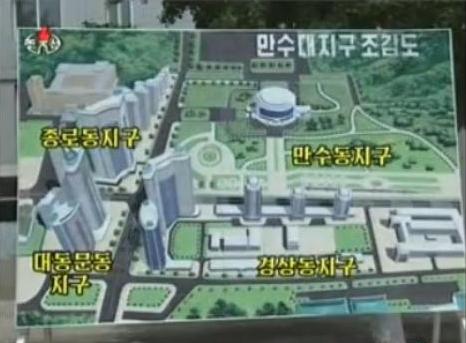
Conceptual images of the construction area can be seen below.

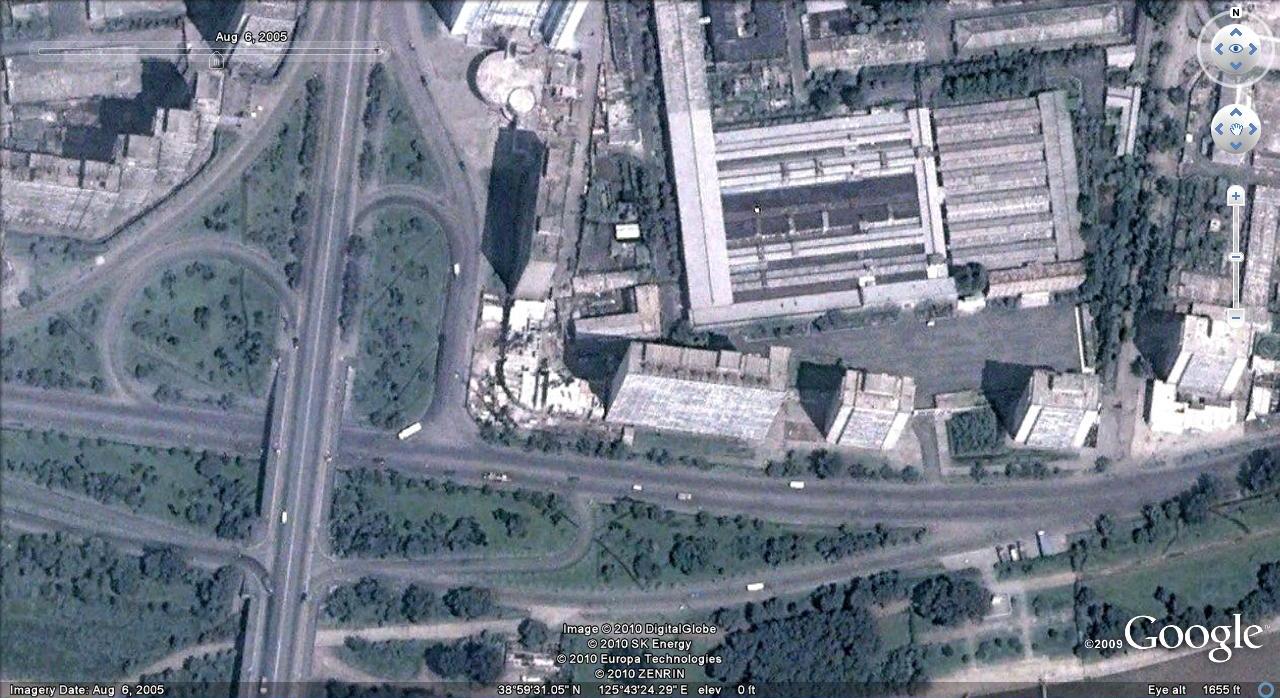
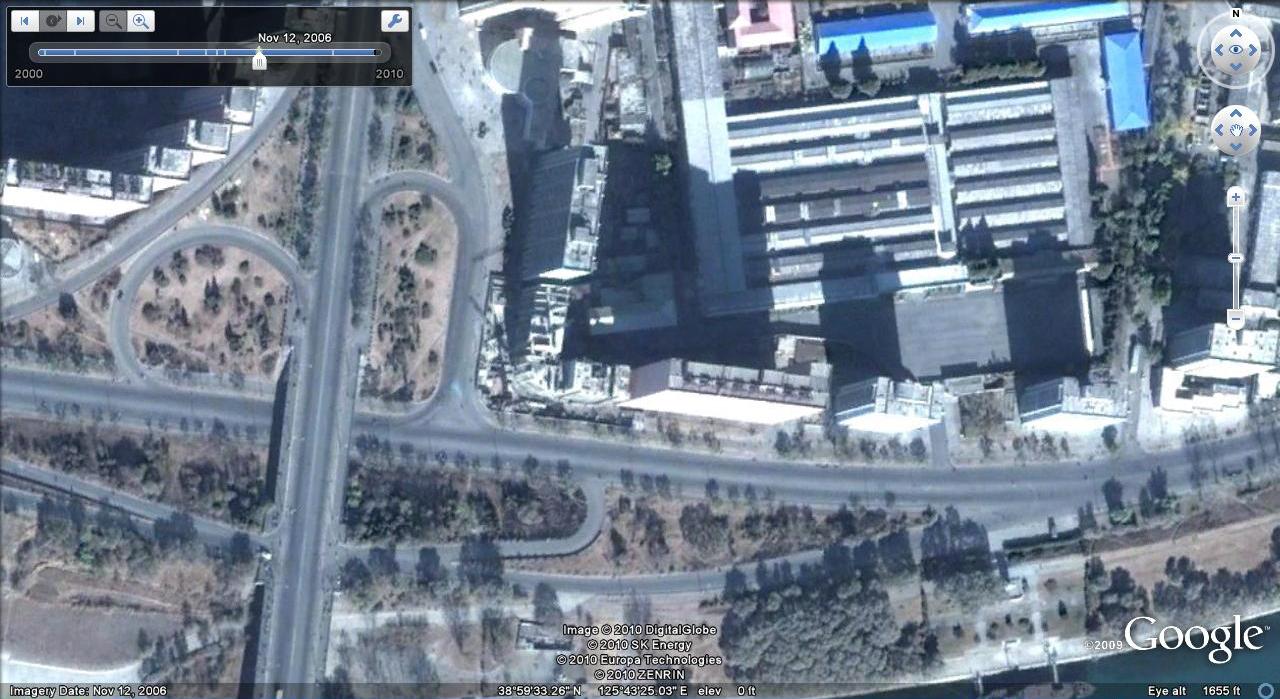
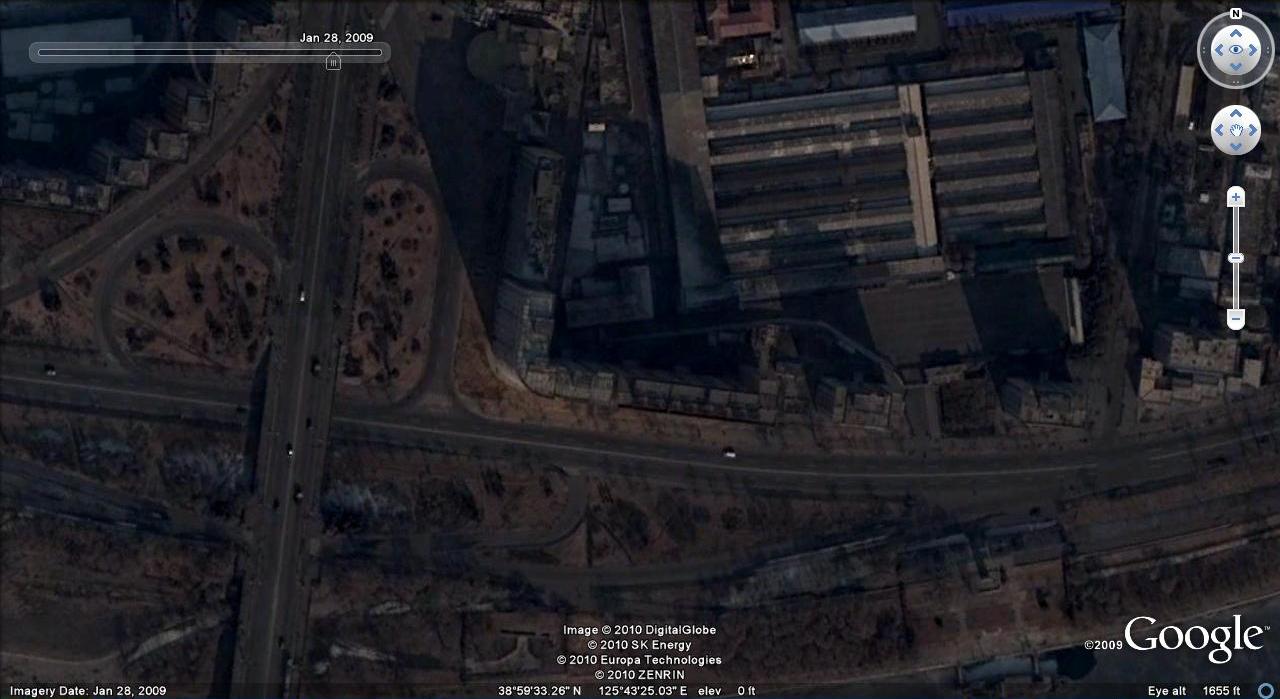
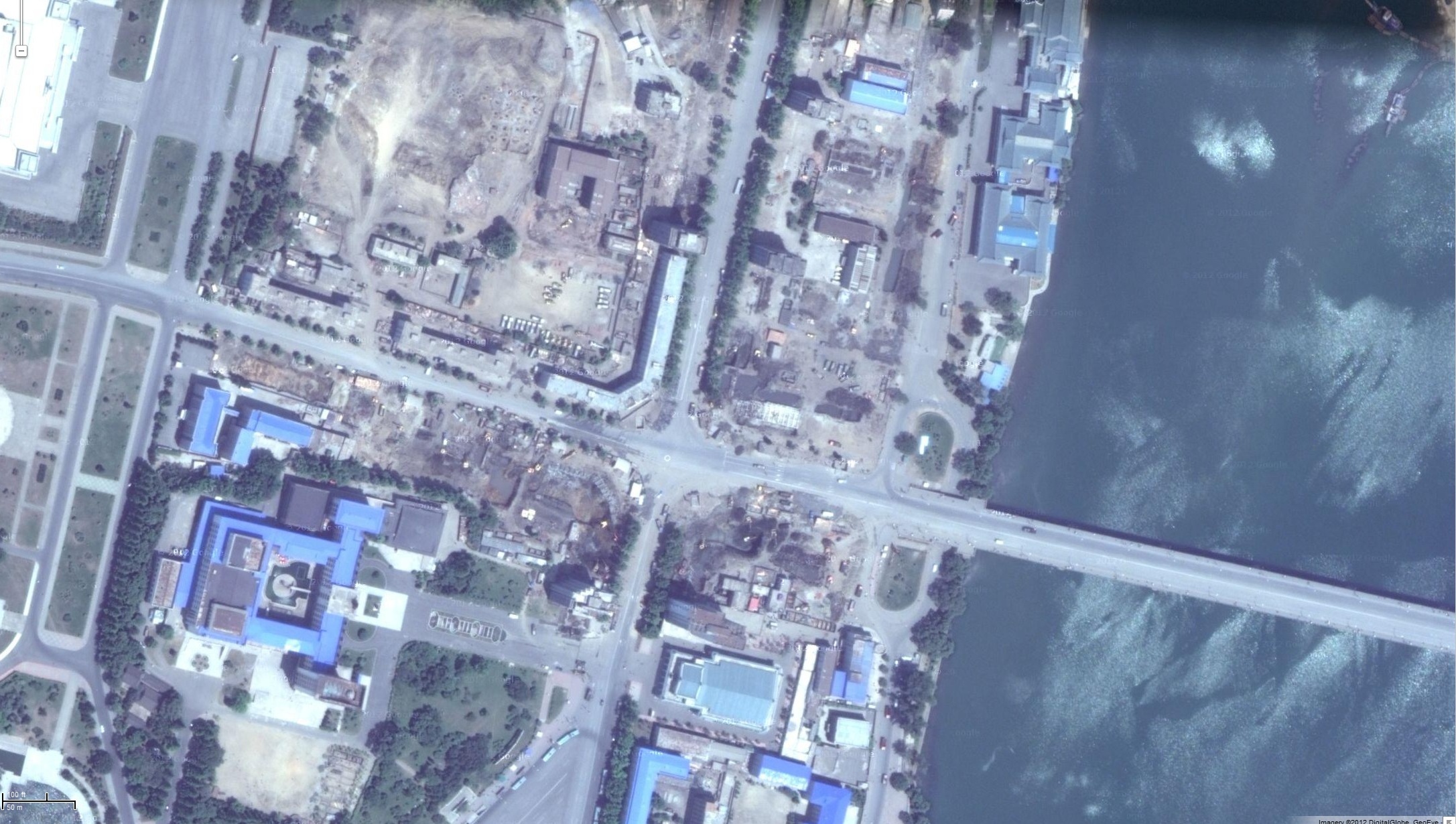
UPDATE 1 (2011-5-24): In the comments, a reader points out a photo by a recent visitor to Pyongyang.  See a LARGE version of the photo here. The photo (2011-4-24) shows that renovation of the Mansudae area began over a month ago.  As of April 24, area families and all of their belongings had already been relocated (to where?); shops had been closed and emptied; and building destruction had begun.

ORIGINAL POST (2011-5-23):

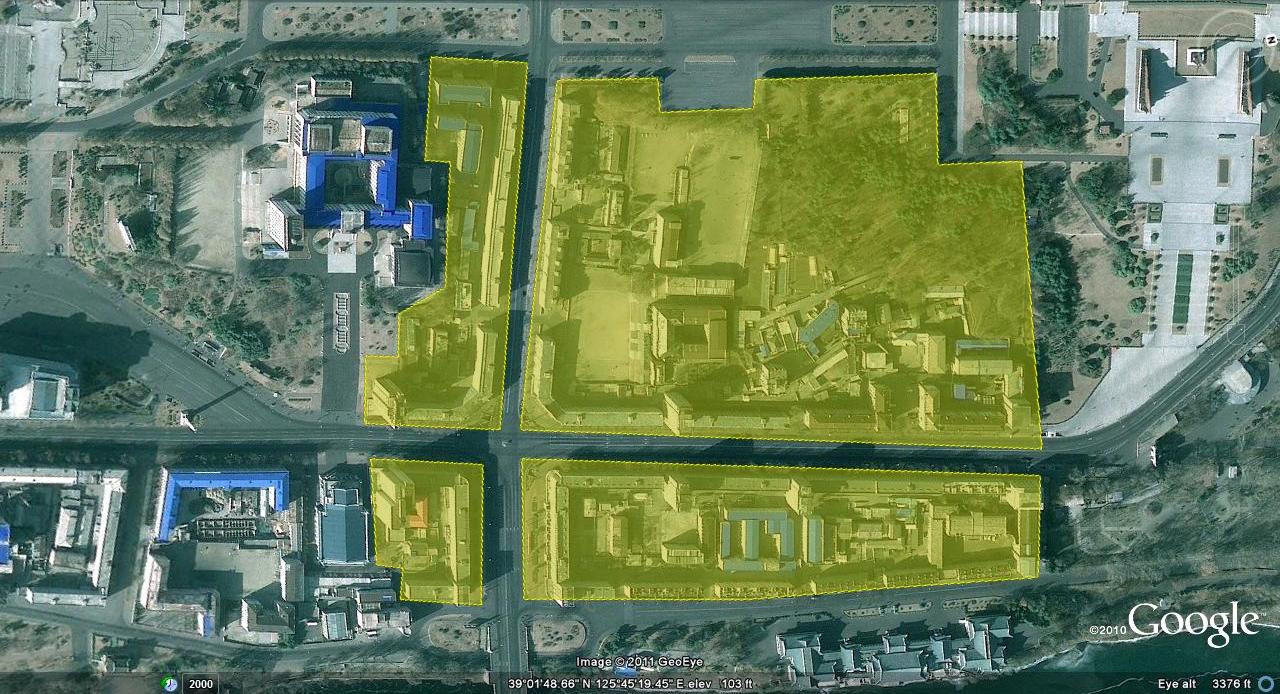
The May 22 episode of the DPRK’s evening news (via elufa.net) featured a ground-breaking ceremony for a re-development project in the Mansudae area of Pyongyang’s Central District (만수대지구, 중구 역). You can see a clip of the evening news broadcast (with English translation) here.

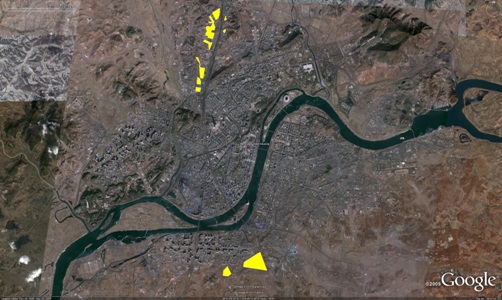
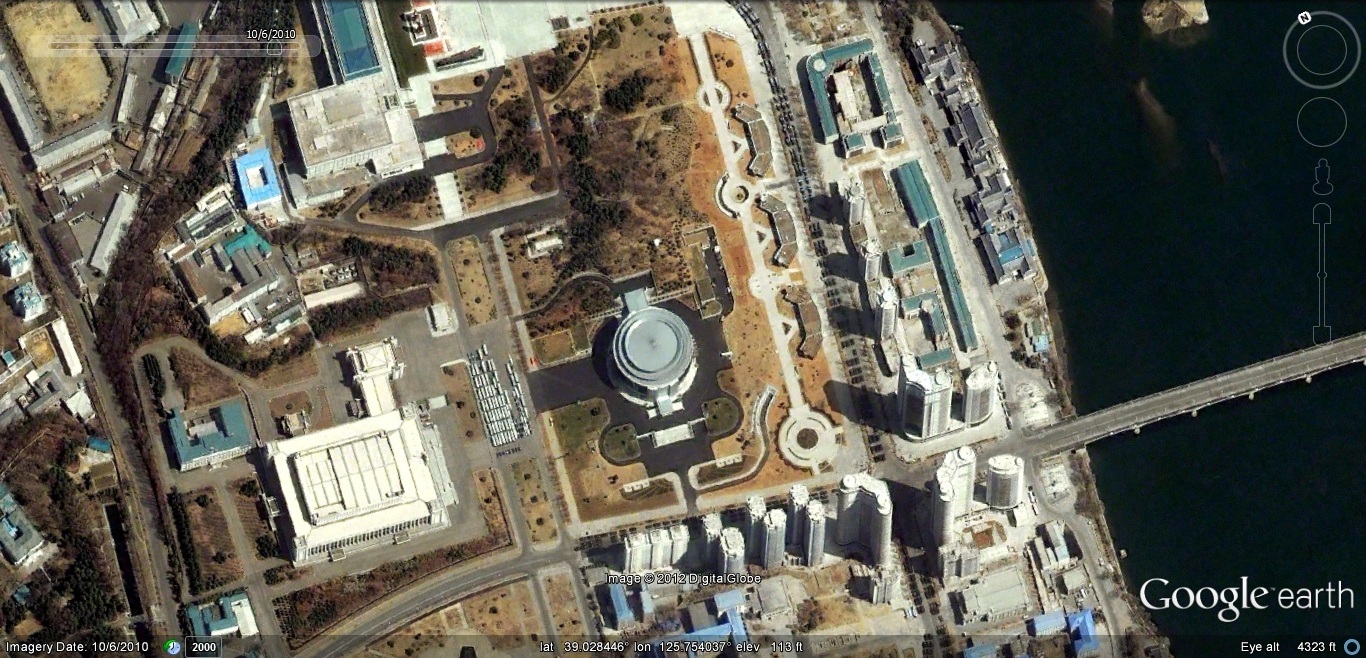
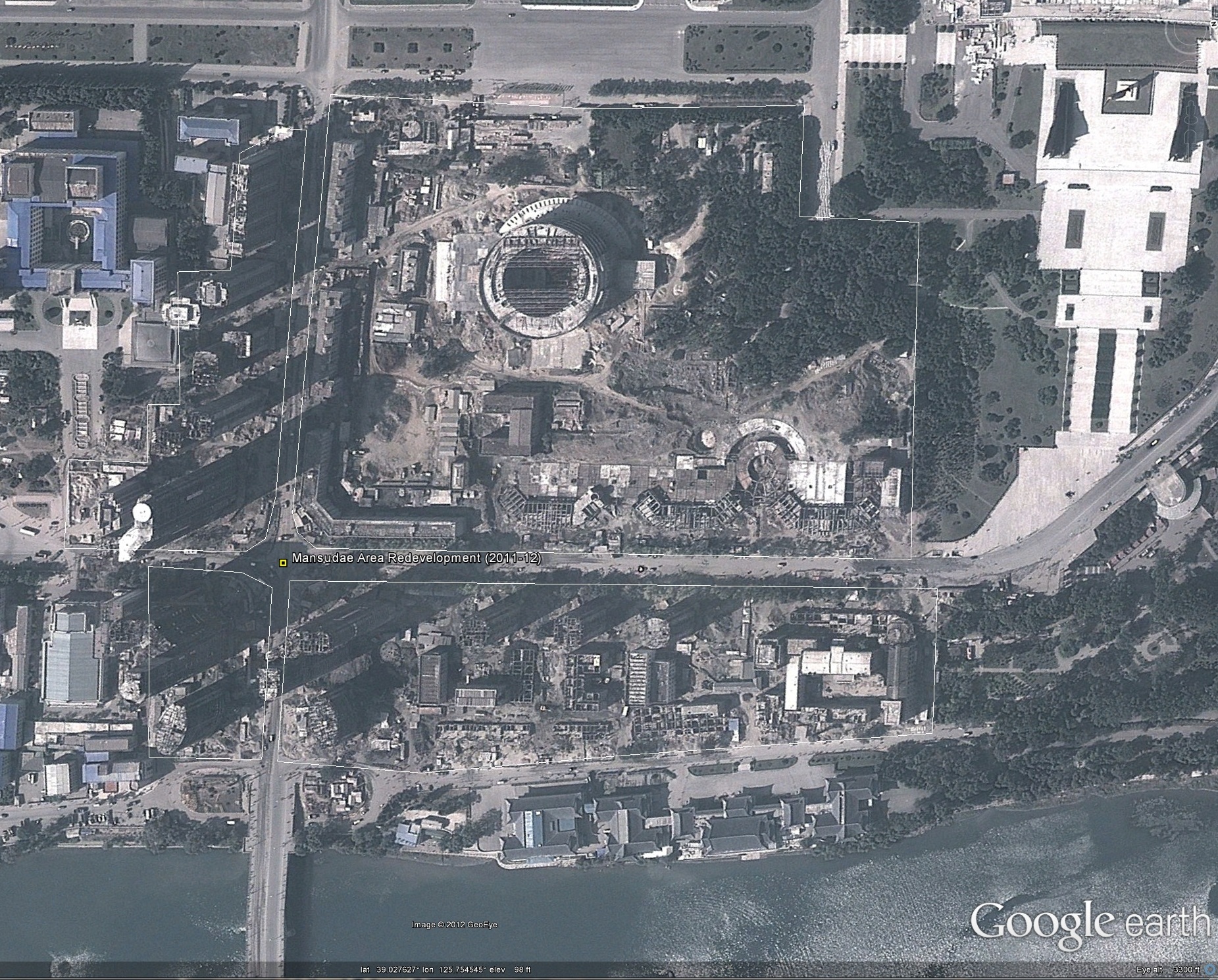
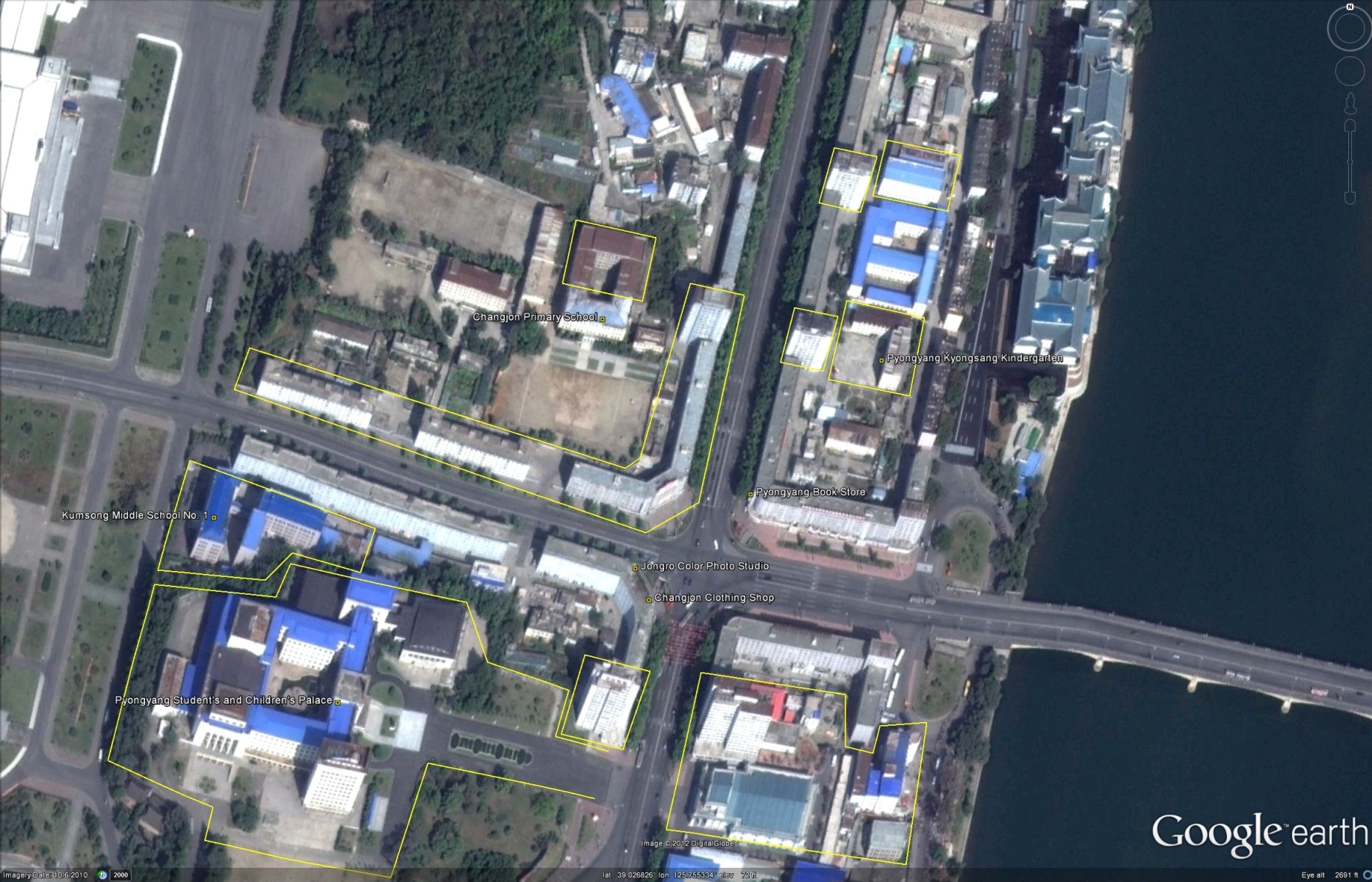
I used the project overview map in the evening news to map out the construction area on Google Earth:

In Jongro-dong (종로동) the Pyongyang School Children’s Palace (평양학생소년궁전) will be spared destruction, but the exclusive Kumsong Middle School No. 1 next door (굼성제1 중학교–not to be confused with the Kumsong School in Mangyongdae) looks like it will be torn down.

In Mansu-dong (만수동) we will see the destruction of the historical Changjon Primary School (평양창전소학교) and the DPRK’s central bank.  Maybe the central bank will get a home in the new facilities, but I have no idea.

In Kyongsang-dong (경상동) the Pyongyang Kyongsang Kindergarden (for musically gifted youngsters) as well as the Pyongyang Children’s Department Store will be torn down.  These too may receive  a new home in the reconstructed neighborhood facilities.

Additional information:
1. This project comes immediately after the first Mansudae Area redevelopment project near the Potong Gate (just to the west of this one).  Read about the first Mansudae Street renovation project here.

2. This residential construction project, though unlikely to be completed by April 2012, is probably part of the DPRK’s 2012 Kangsong Taeguk (강성대국) campaign.  As part of the campaign, Pyongyang is to receive 100,000 new housing units.  Read more about 2012 construction projects herehere, and here.

3. One report says that the KPA has been put in charge of the DPRK’s renovations.

4. Pyongyang just held an architecture exposé.  See some of the work here.

5. These projects appear to be priorities as well.

Share

Are the DPRK’s universities closed?

Monday, July 11th, 2011

UPDATE 2 (2011-9-2): According to KBS:

The Voice of America (VOA) reported Friday that the International Committee of the Red Cross (ICRC) has confirmed that North Korean universities were ordered to suspend studies.

In a report on North Korea covering the first half of 2011, the International Red Cross said that all universities in the Communist nation had been on leave since June to work on construction sites in regions including Pyongyang. The report said the enforced leave of absence will likely continue into April next year during the centennial celebration of the birth of late North Korean founder Kim Il-sung.

VOA said the report appears to have been confirmed by a North Korean authority, as it contained the contact number of a North Korean Red Cross official.

UPDATE 1 (2011-7-11): According to the Daily NK:

Large numbers of additional soldiers and students have been mobilized to try and address the slipping schedule for the construction of 100,000 homes in Pyongyang by 2012, with universities in the capital and some bigger local universities having received a ‘socialist construction mobilization order’ in mid-June.

A Pyongyang source, explaining the situation today, said, “I know that students from universities in Pyongyang like Kim Il Sung University and Kim Chaek University of Technology have been sent to the construction of 100,000 houses. I hear that they will be at the construction site for at least two months or more.”

The mobilization could easily be extended depending on the status of the construction project, he further added.

Another source from North Hamkyung Province reported similar news on the 7th, saying, “Since July, juniors and seniors from No. 1 and 2 Colleges of Education in Chongjin have been mobilized for construction projects under the ‘socialist construction mobilization order,’” and confirming that the students have been sent to Pyongyang.

He went on, “I hear that the center (meaning Party central authorities) notified each university of the number of people required for the Pyongyang construction work. Accordingly, each university selected a certain number of students and sent them to Pyongyang.”

However, the order does not appear to amount to a full, nationwide shutdown of universities. For example, certainly some universities in Yangkang Province have evaded the mobilization order. One college student living in Hyesan, the provincial capital said, “There has been no ‘socialist construction mobilization order’ handed down. We are going on summer vacation in late July.”

Mobilized personnel are reportedly working primarily on construction in neighborhoods where major public works idolizing the Kim family are to be found.

The Pyongyang source reported, “Construction of houses in Changjeon Street, where the Suryeong’s statue is, started in early May. Soldiers have been mobilized to this construction site in large numbers; even some previously involved in construction in the Hyeongjesan district have been in that region for about a week.”

He added, “Equally, the Mansudae region (Kim Il Sung’s birth place) is another place where ‘construction must be completed even if it is not completed elsewhere’, so they have mobilized people from construction sites in other regions.”

According to sources, the pace of construction in those places where soldiers have been mobilized is markedly quicker than elsewhere, although interior construction remains problematic because it calls for special materials.

One source reported, “In Seopo and Hadang 2-dong, where there are soldiers, buildings have already been erected, so people can move in there in August. However, the interiors have not been completed, so people don’t actually want to move in.”

However, on those sites staffed by people from enterprises, events are characterized by a lack of basic materials and the siphoning off of what is available.

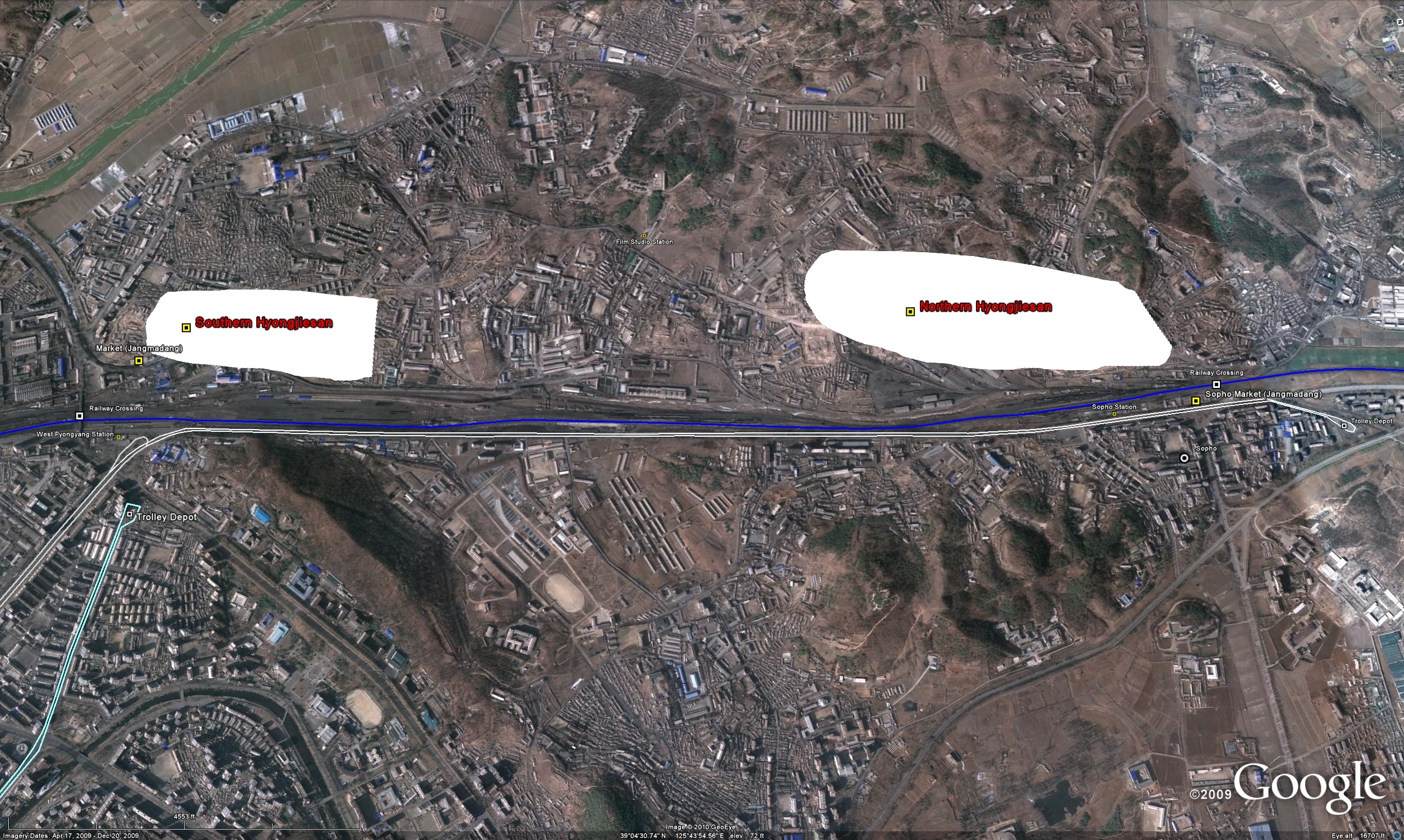
The source said, “They are short of materials, while individuals are selling off existing materials and cement to buy rice because the authorities are not providing them with any support. Of the construction overseen by enterprise work units, almost none have been erected. In Hyeongjesan district, with the exception of those sites for which soldiers are responsible, they have only erected the bottom floor.”

According to one source, on April 1st the National Defense Commission ordered, “Complete the construction of 100,000 homes by April 15th, 2012 and get people to move into the new homes without condition.”

However, reports suggest widespread skepticism of this, with one source saying, “According to rumors, there was even a threat, ‘Those in charge of construction who cannot complete it must prepare to leave their posts.’ However, there are many people saying that the 100,000 houses won’t even be done by 2017.”

See more on the priority construction projects here.

ORIGINAL POST (2011-6-30): According to the University World News (thanks to a reader):

Close watchers of North Korean affairs were caught on the hop this week by reports that universities in the hermit kingdom would be closed from 27 June for up to 10 months while students are sent to work on farms, in factories and in construction.

Diplomats in Pyongyang confirmed that students were being drafted into manual labour on the outskirts of the city until April next year to prepare for major celebrations to commemorate the centenary of the late leader Kim Il Sung’s birthday. But they said this did not mean the closure of universities.

Reports originating in South Korea and Japan suggested that the Pyongyang government had ordered universities to cancel classes until April next year, exempting only students graduating in the next few months and foreign students.

The reports said the students would be put to work on construction projects in major cities and on other works in a bid to rebuild the economy. This could indicate that the country’s food crisis and economic problems are worse than previously thought.

Experts on North Korea said full-scale university closures would be unprecedented. However, it was not unusual for students to be engaged in manual labour, with the academic year sometimes shortened in order to send students onto farms and construction sites.

Peter Hughes, British Ambassador to North Korea, told University World News by email from Pyongyang: “There has been no official announcement in DPRK [Democratic People's Republic of Korea] about university students being sent to carry out manual labour for the next 10 months, but I can confirm that students from all the universities in Pyongyang have been mobilised to work at construction sites in the outskirts of the city until April 2012.

“Some two years ago the DPRK announced that it would build 200,000 units of accommodation in the city to ease the chronic housing shortage. To date only some 10,000 units have been built, so the students have been taken out of universities in order to speed up the construction of the balance before major celebrations take place in April 2012 to commemorate the 100th birthday of the founder of the DPRK, Kim Il Sung.”

Universities are not closed as lecturers and postgraduate and foreign students remain on campuses, Hughes said on Thursday.

“The UK has an English language teacher training programme at three universities in Pyongyang. The mobilisation of the students should not affect this programme as the majority of activity is focused upon teacher development and not teaching students.”

Charles Armstrong, Director of the Centre for Korea Research at Columbia University who returned from Pyongyang earlier last week, said he had visited two state-run universities, Kim Il Sung University and Kim Chaek University of Technology in Pyongyang, as well as the private Pyongyang University of Science and Technology (PUST) in the last few weeks.

At the two public universities the vast majority of students were not present, Armstrong told University World News. “It is also a very busy time for rice transplanting and you see a lot of young people in the fields.”

However, students were studying as normal at PUST, a postgraduate institution funded by Korean-American and South Korean philanthropists that teaches mainly engineering.

“It is very hard to get information in and out of the country and there may be some confusion because every summer students have to go down to the fields to help with the rice planting. It is not the first time that I have heard reports that universities have shut down for a period,” Armstrong said.

“My impression is that there is not a lot going on in terms of teaching and studying in public universities and student time is taken up with ‘extra curricular’ activities including political education. This is a regular part of university life but I have not heard of the universities being shut down completely except for a short while during the 1990s [famine],” he added.

A major famine and economic crisis in the late 1990s meant that much farm equipment went unused and simply rusted in the fields, so the need for manual labour has grown. Students and army recruits are mobilised to help, often having to travel far from where they live.

“My understanding of the university system is that it is largely dysfunctional. Resources are lacking, many professors spend their time earning from private tuition – so my impression is that it would not make a great deal of difference if they are shut down,” said Armstrong.

Aidan Foster-Carter, a writer and researcher on North Korea, formerly at Leeds University in England, said: “North Korea sets great store by these anniversaries. They decreed a few years ago that 2012 would be their date for becoming a great and prosperous nation defined in economic terms. It would make sense having extra persons out there to help with construction, though normally it is the army that does it.”

But any mass use of student labour for longer than the summer vacation months would mean a trade-off against achieving economic goals that required educated workers, he said.

“North Korea’s is a strange and broken economy but they also need educated people to pull them out and it would be a major precedent to close the universities. It could be a sign that they are in a worse mess than we thought.”

Hazel Smith, professor of security and resilience at Cranfield University who also lectures at Pyongyang’s Kim Il Sung University, said North Korean universities were operating as usual in and outside the capital when she was there in May.

She said it would be counterproductive for the regime to close universities. Despite huge labour shortages throughout the country, the regime is “fully aware that people need to be taught IT and technology and of course nuclear [engineering].

“They are dependent to fulfill their economic goals on people who are computer literate and engaged in advanced science. I don’t think [closures] will last very long. There are too many other priorities to deal with.”

Analysts in Japan and South Korea suggested there could be other reasons behind the decision to disperse the students across the country, including the possibility of demonstrations at campuses inspired by the Arab Spring uprisings, which began at universities.

They noted that North Korea had purchased anti-riot equipment from China in recent months, including tear gas and batons, while there has been an increased police presence at key points in Pyongyang in recent weeks.

Foster-Carter said North Korea watchers have been closely monitoring for signs of unrest since the spring, but there had not been any.

“The amount of information from the Middle East reaching the ordinary citizen is very, very limited and there has been nothing at all in the official media,” Armstrong said. “There has been no student unrest that we know of for the last 50 years.”

According to North Korea analysts, party controls are in place to prevent student uprisings, including political indoctrination and strong surveillance. Some analysts said surveillance on campuses had relaxed in recent years because many party officials had not been paid.

However, experts agreed that the possibility of universities being shut would be an ominous sign of tension. “The most likely reason [to shut universities down completely] would be for military mobilisation if they thought they were going to be attacked,” Smith said.

Read the full story here:
North Korea: Learning stops as students sent to work
University World News
Yojana Sharma
2011-6-30

Share

Pyongyang architecture digest

Tuesday, July 5th, 2011

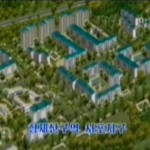
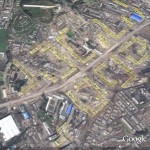
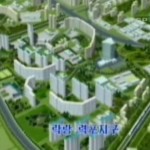
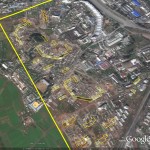
Several days ago, Yonhap reported that the DPRK had quietly reduced its goal of building 100,000 housing units by 2012. So of the 200+ buildings that are currently under construction, which projects are priorities? Mansudae Part II for sure (see here and here).  But what else? There are many construction sites that were launched well before the second renovation of the Mansudae area was begun, and the deadline for completion is rapidly approaching.

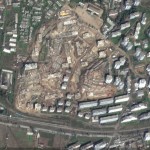
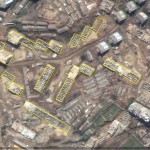
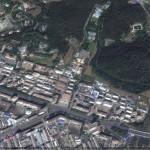
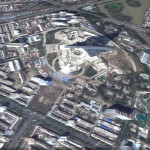
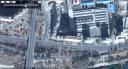
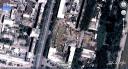
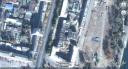
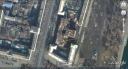
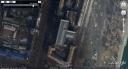
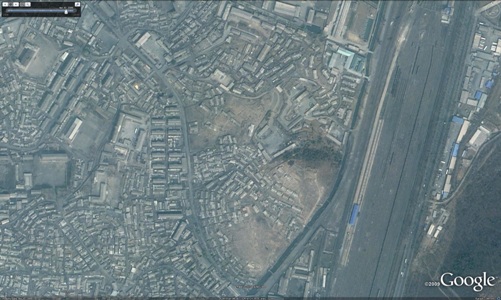
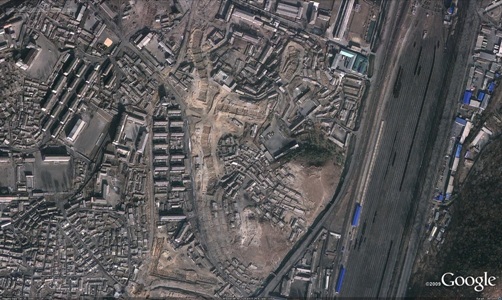
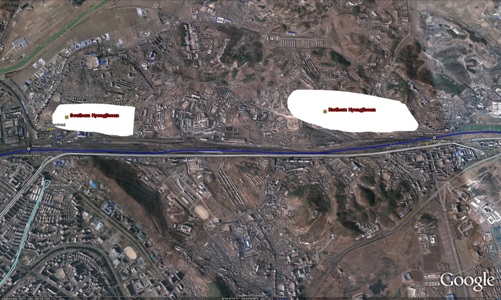
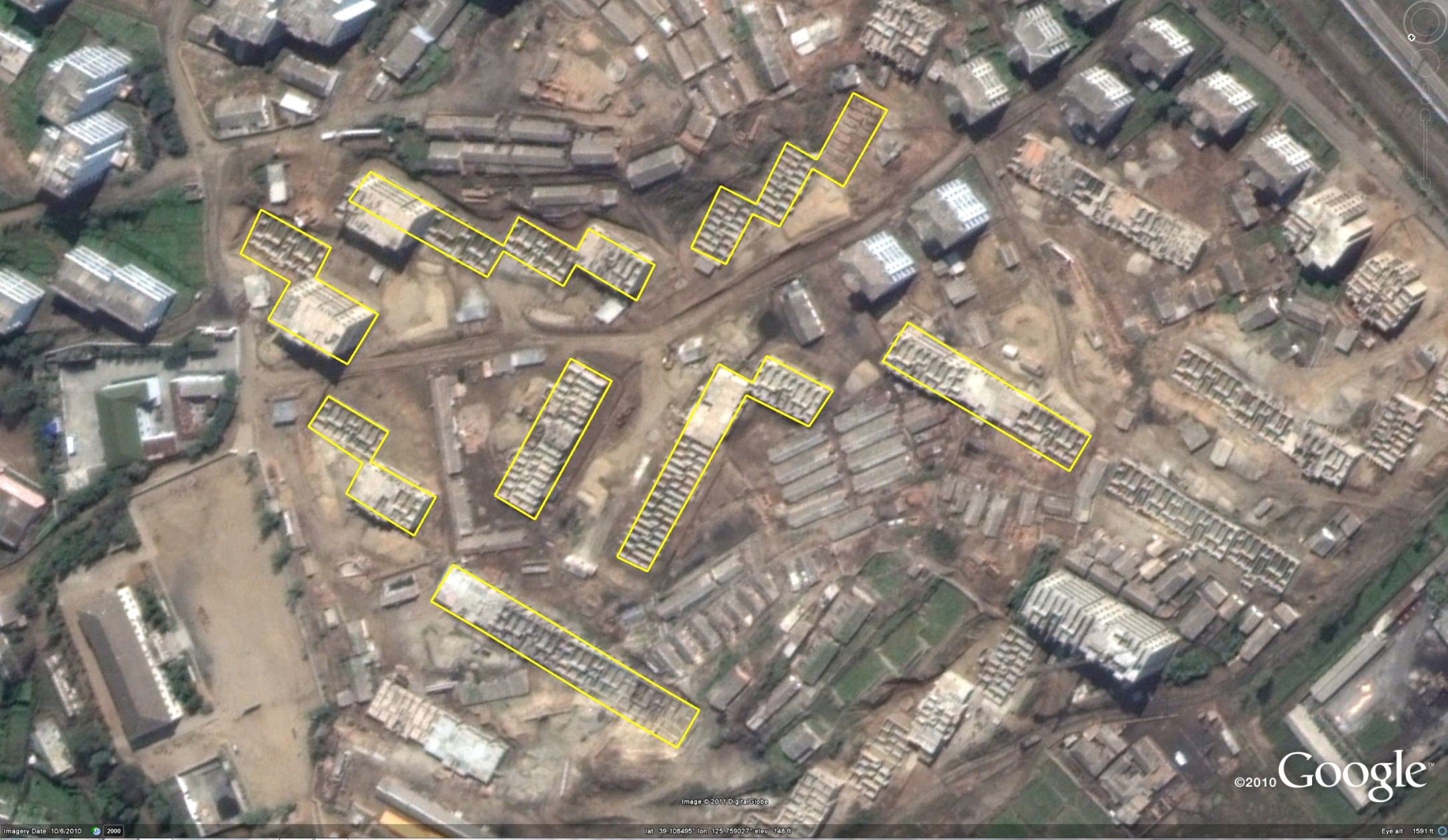
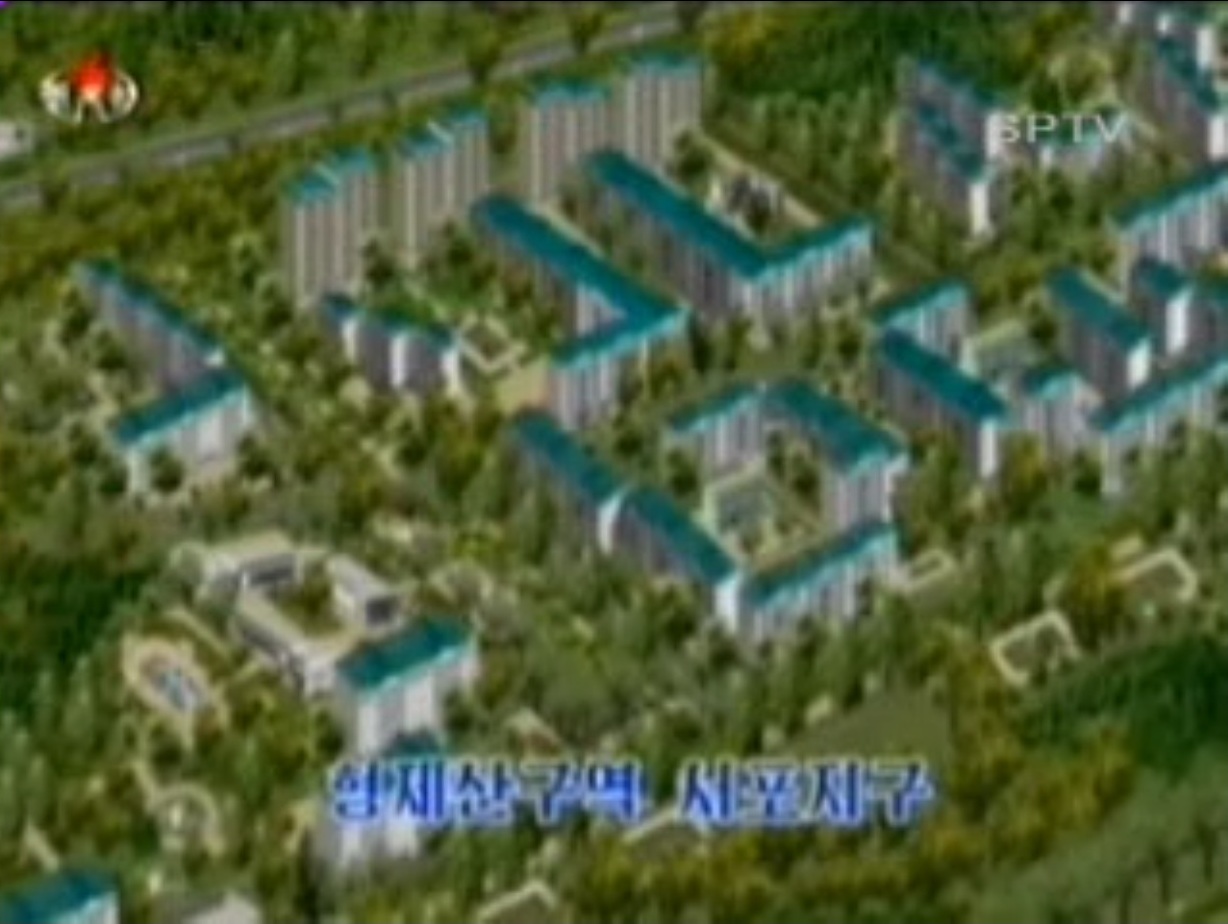
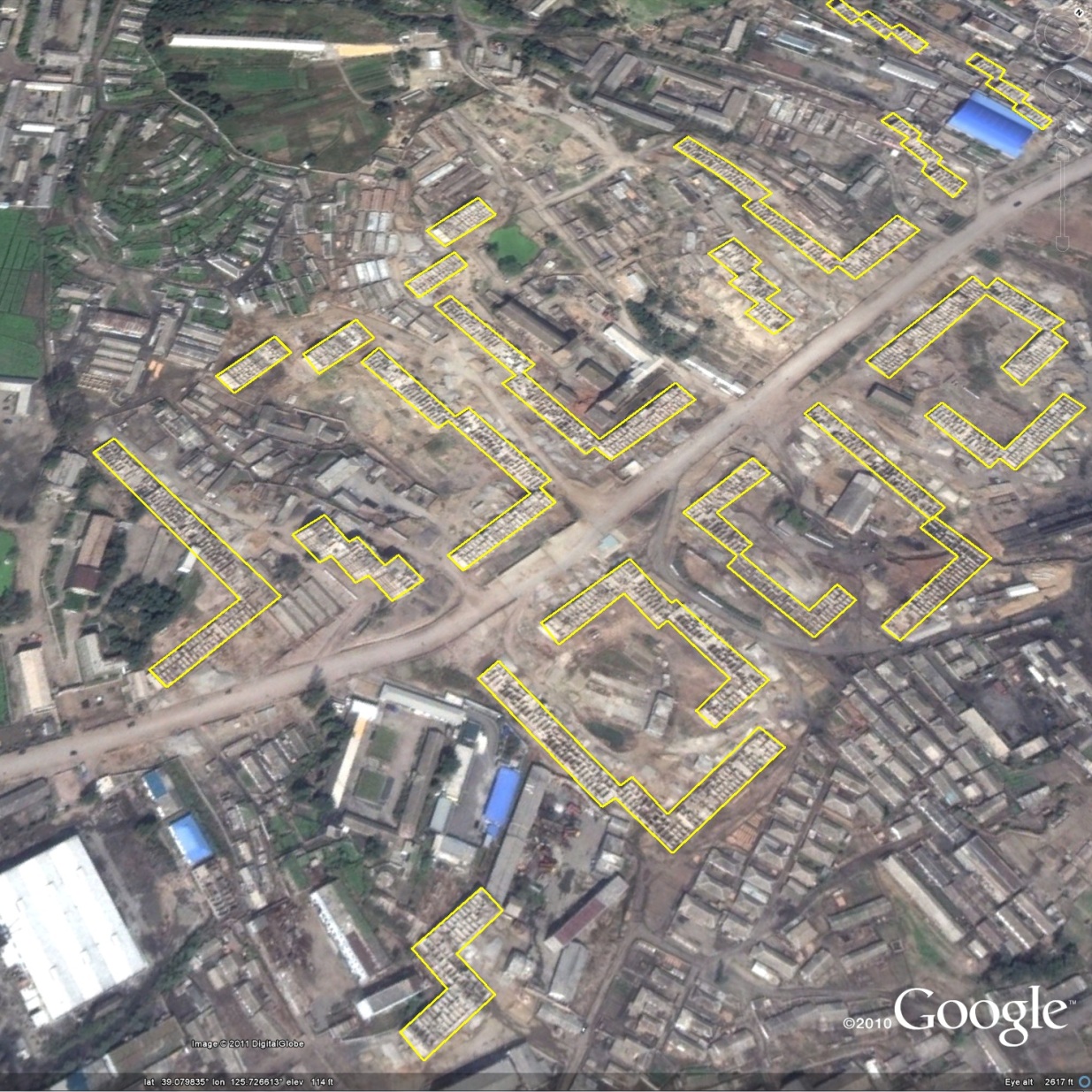
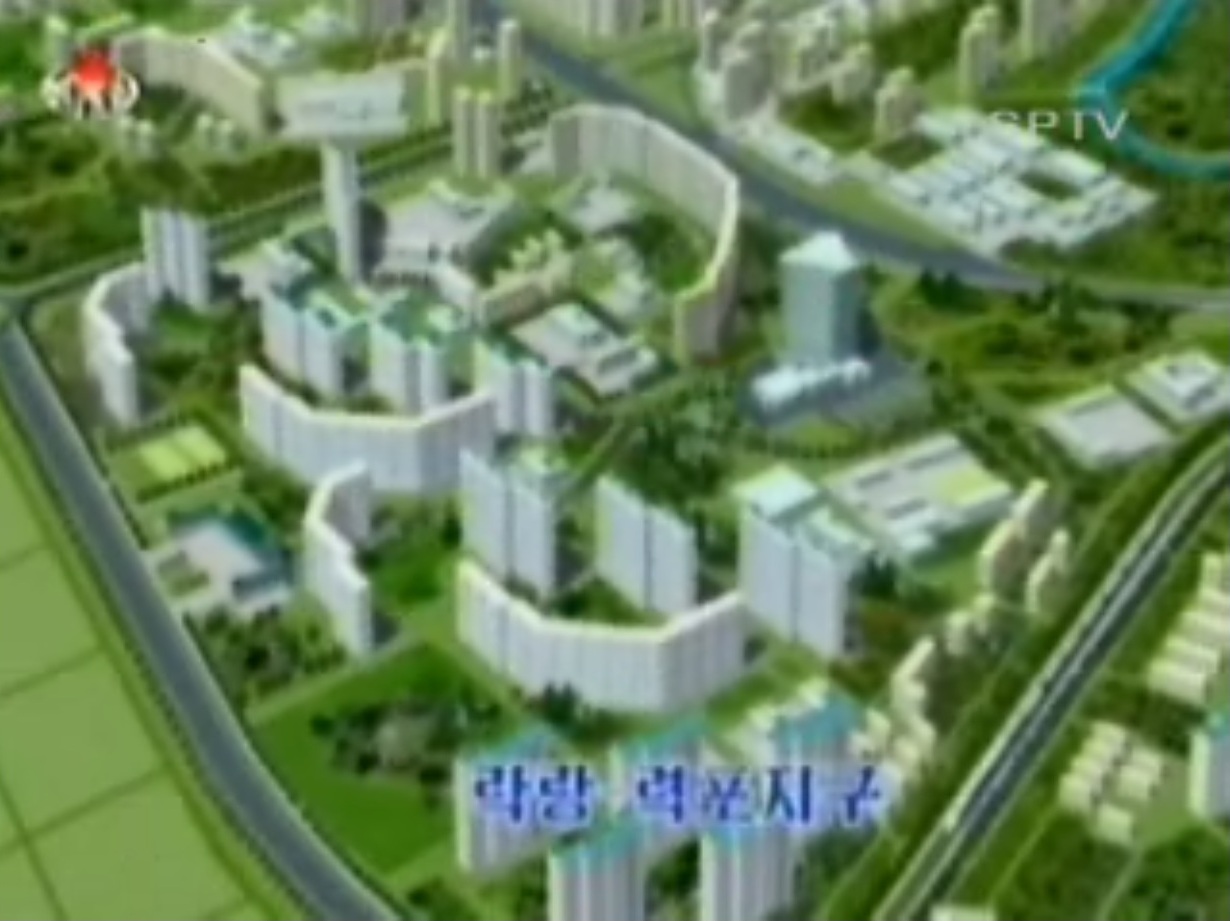
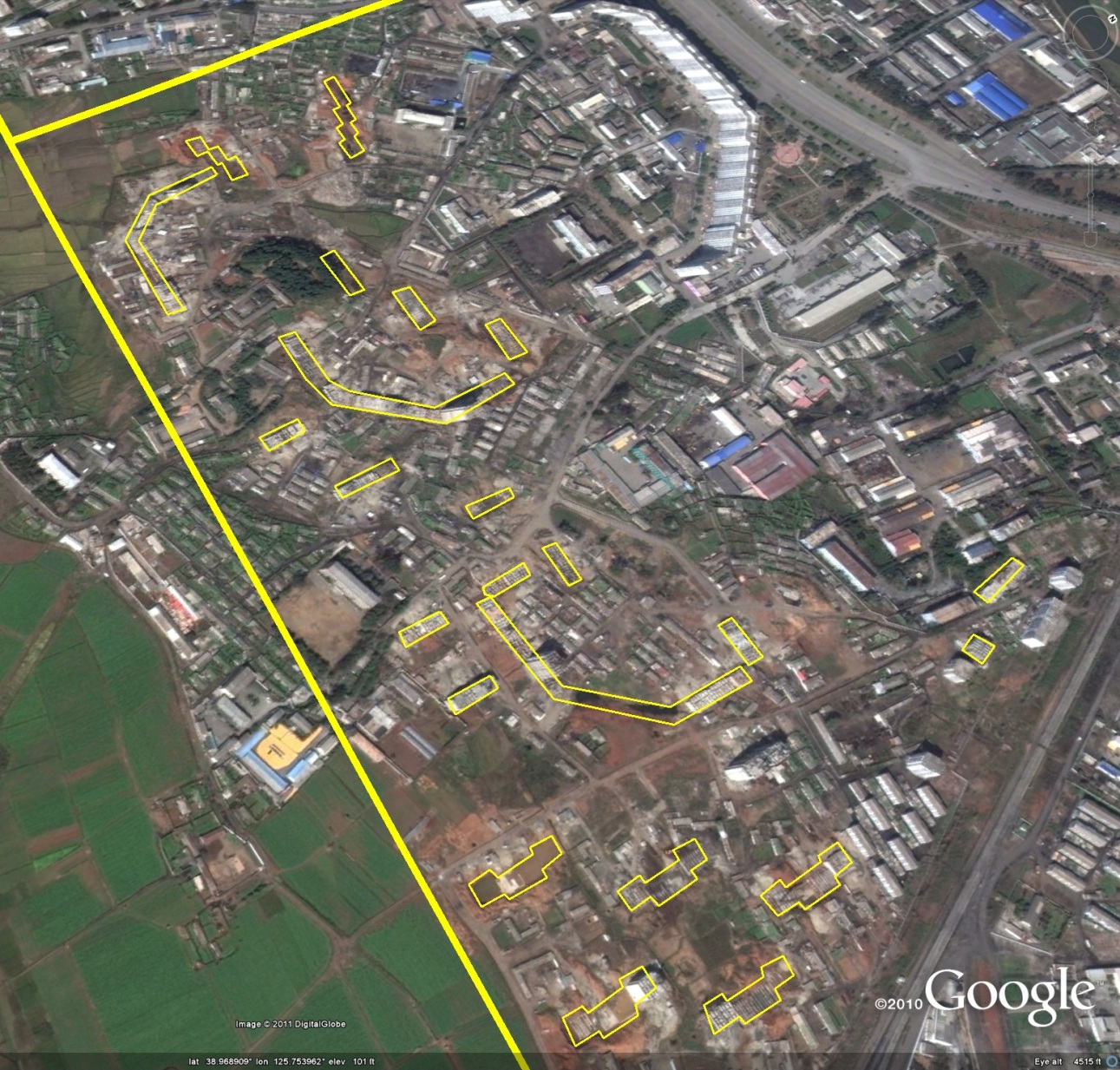
Well North Korea recently broadcast a propaganda television show touting Pyongyang’s housing construction (along with quite a lot of singing).  I was able to match up this North Korean television footage with satellite imagery of Pyongyang construction sites to help answer this question.  Given the amount of propaganda being used to promote these particular developments, I would say the following three are also 2012 priorities:

Ryongsong-guyok, Chonggye-dong (룡성구역, 청계동)

Click on images for larger versions.  See in Google Maps here.

Hyongjesan-guyok, Sopho-2 Dong (형제산구역, 서포2동)

Click on images for larger versions.  See in Google Maps here.

Rakrang-guyok, Tongsan-dong (락랑구역, 동산동)

Click on images for larger versions.  See in Google Maps here.

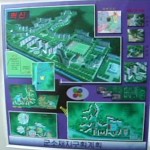
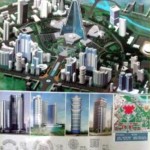
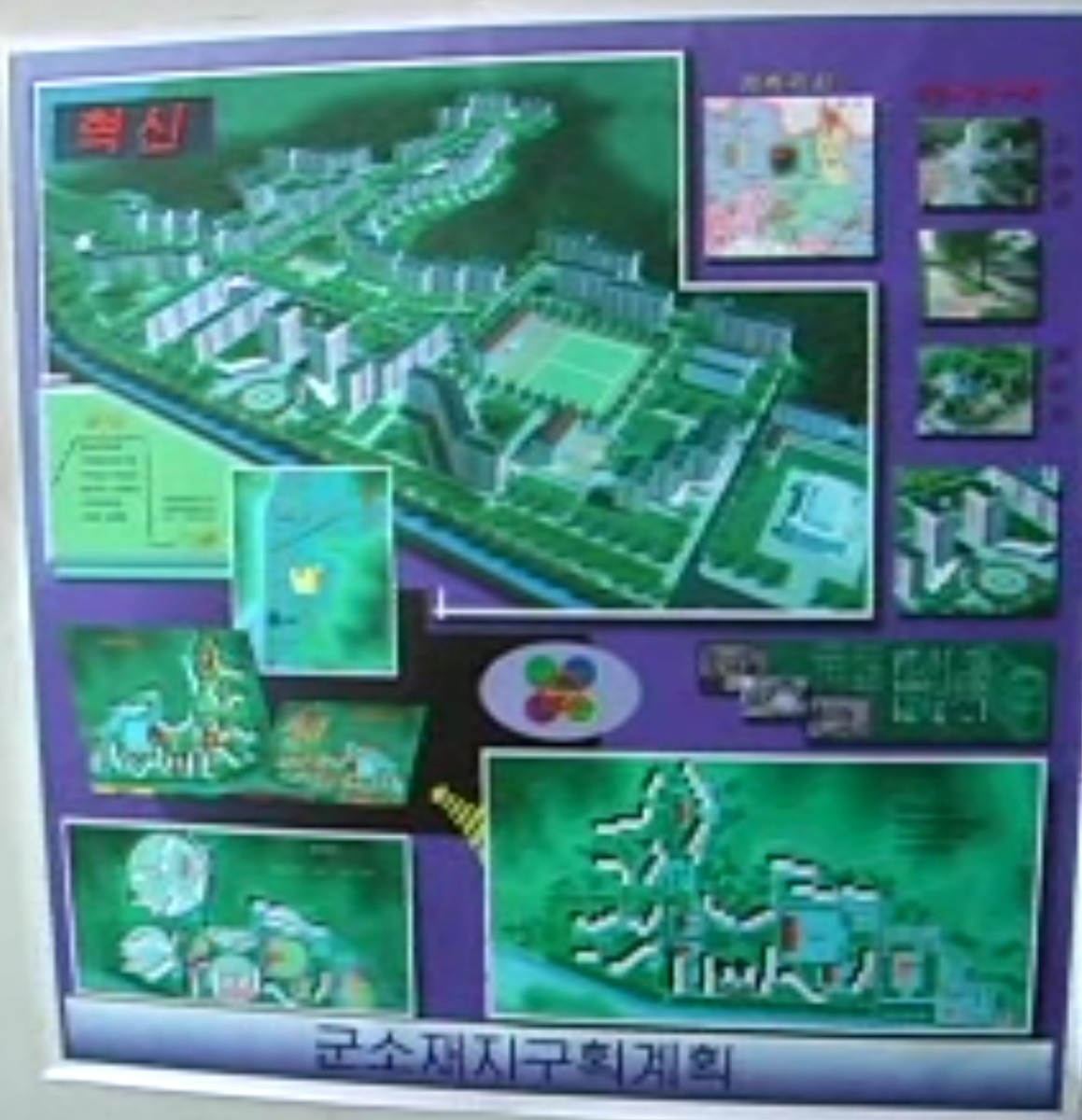
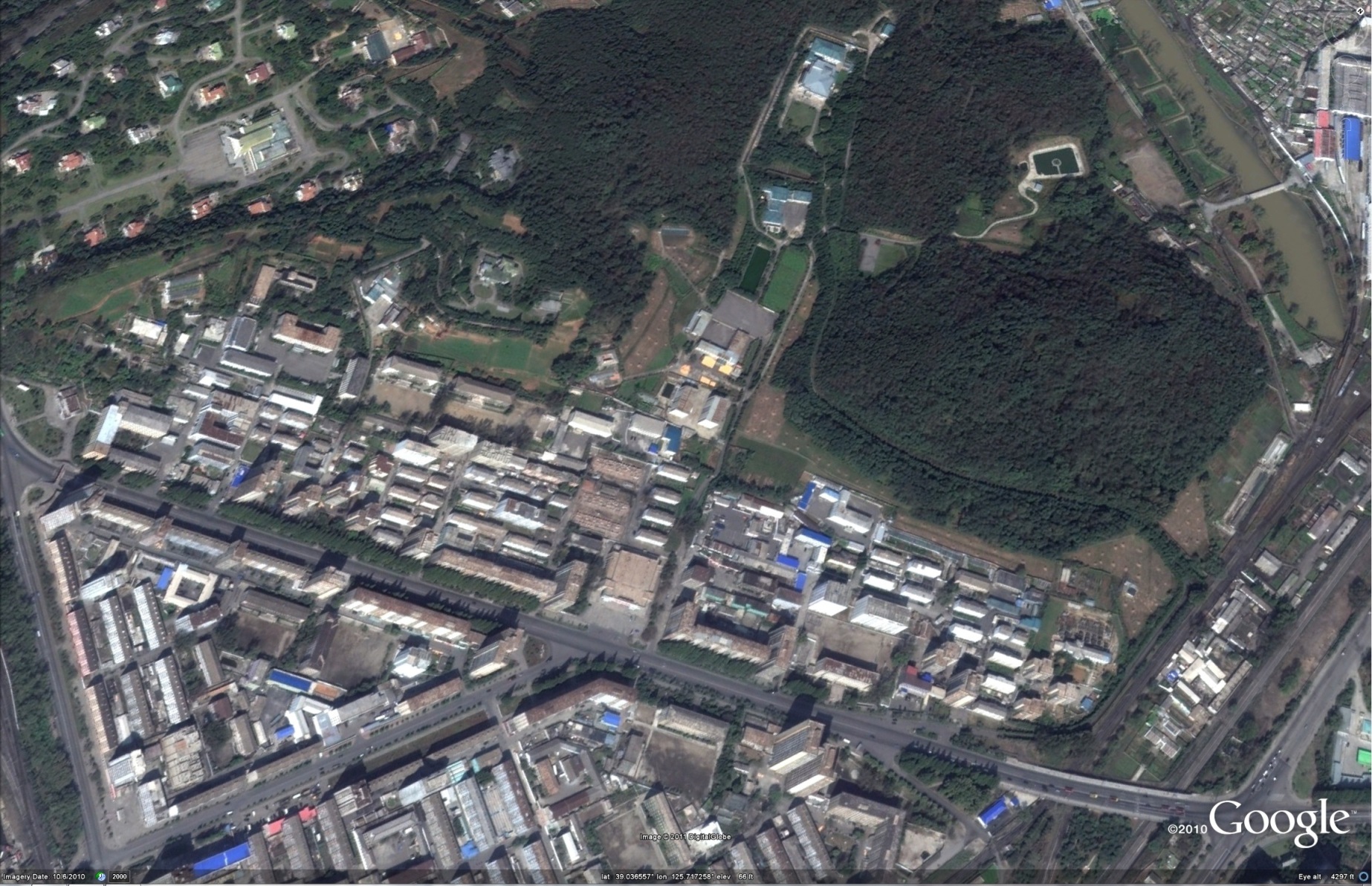
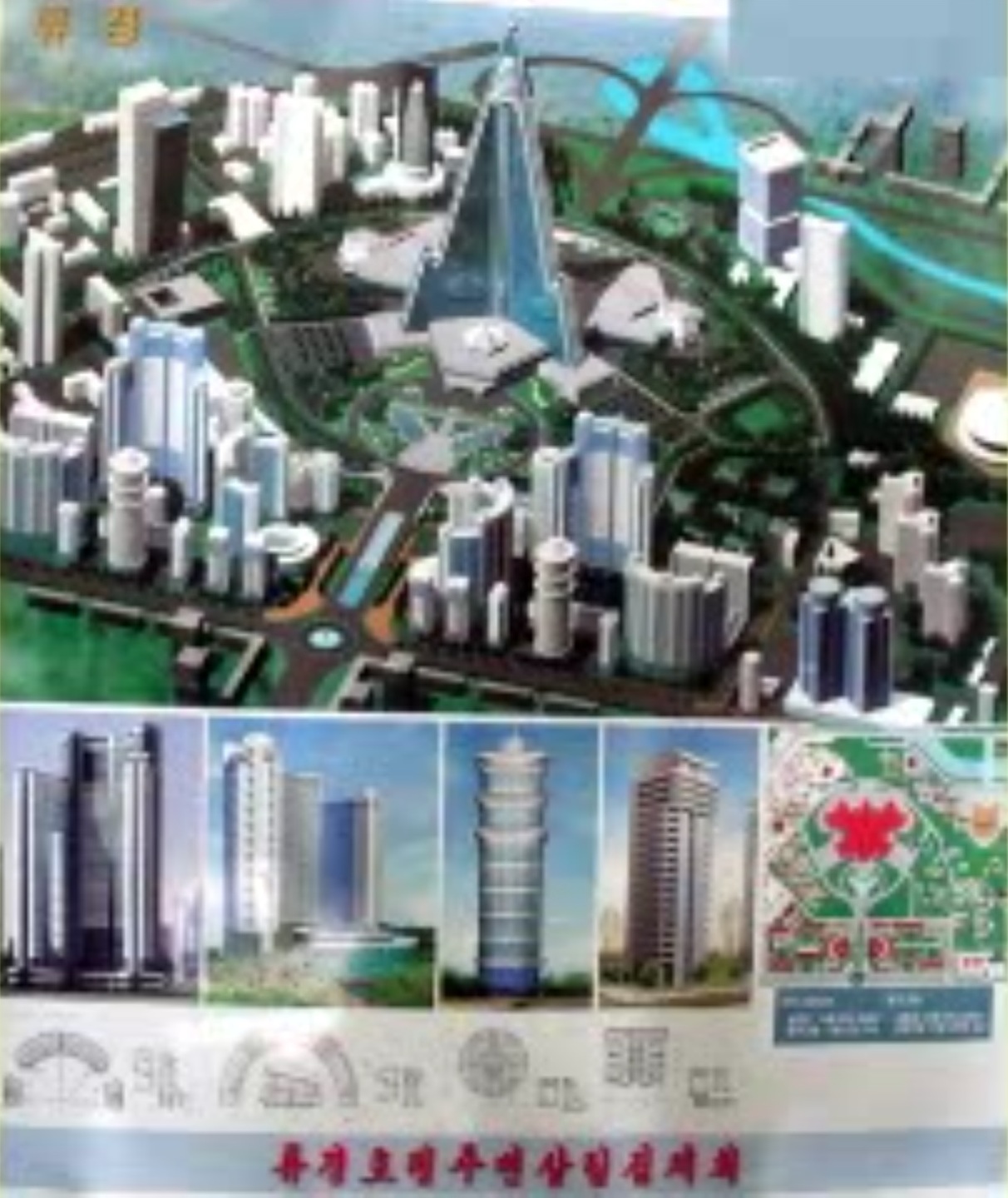
The DPRK also recently hosted an architecture expo in Pyongyang. I have uploaded a video of the event to YouTube, and you can watch it here. I was able to match up some of the projects (though not all) with current satellite imagery. Aside from the renovation of the Ryugyong Hotel, there is no publicly available satellite imagery showing that these projects have been launched.

Hyoksin Area (혁신)

Ryugyong Area (류경)

Additional Informaiton

1. So Marcus Noland was right.  They want tall buildings.

2. For several years now I have been tracking construction in Pyongyang.  See hereherehere, herehereherehere, and here.

Share

Science and technology and improving the lives of the North Korean people

Tuesday, July 5th, 2011

Institute for Far Eastern Studies (IFES)
NK Brief 2011.06.30

North Korea designated this year as the “year of light industry” in an effort to increase consumer goods production and enhance the lives of the people. In addition, a June 23 editorial in the Rodong Sinmun reiterated the importance of science and technology for building a strong and powerful nation and improving the lives of citizens.

Science and technology was mentioned as one of the three pillars for building a strong and powerful nation — the other two being ideology and advanced weaponry.

The editorial emphasized, “We must construct a self-reliant economy and stand on our own two feet no matter what,” and stressed that production system of Juche steel and Juche fertilizers is a victory for the Juche ideology and the science and technology policy of North Korea.

In addition, the column highlighted the importance of promoting Juche, modernization, and informatization in all sectors. “Modern successes in science and technology must be fully adopted and institutionalized in order to enhance production and economic effectiveness. To do so, we must engage in the fight for conserving energy, fuels, materials and national resources.”

The role of scientists and technicians was also accentuated. The future development of science and technology and construction of a strong and powerful economy was depicted to be in the hands of this group. In particular, importance for science research in light industry, agriculture, people’s economy, and modernization for industries was further highlighted.

“To meet the demand of modern times of integrating science and technology and production, technological revolutionary movement must be started and combine the collective knowledge of producers and masses.” It was said that the core and fundamental technology (information, nano, and bioengineering technologies) along with cutting-edge technology (new materials, energy, and space science technologies) must be incorporated to fully contribute to the building of a powerful socialist state.

This editorial appears as an attempt to encourage the growth of production in light and agriculture industries in order to meet the goal of reaching the “strong and powerful nation” by 2012. In this year’s New Year Editorial, revolutionary development in science and technology, tight integration of science and technology with production, revolution of light industry and development of people’s economy through science research were mentioned as chief objectives of the year. It was said that significant weight will continue to be placed on the economy and technology including “integration of science and technology and production” and “technological revolutionary movement of the masses.”

Share

Eberstadt on the North Korean Economy

Friday, July 1st, 2011

Nicholas Eberstadt offers some stark economic data on the DPRK.  According to his article:

While it is true that the DPRK suffered a severe economic shock from the collapse of the Soviet Bloc, this unexpected economic dislocation did not automatically presage log-term economic failure, much less famine. The counterexample of Vietnam–another socialist Asian economy heavily dependent on Soviet subsidies in the late 1980s–proves as much. According to the World Bank, Vietnam’s per capita income rose by over 150% between 1990 and 2007, and its per nominal per capita exports (in US dollars) rose by a factor of over 7 times during those same years, whereas North Korea’s nominal per capita exports slumped by over 25% between 1990 and 2007.

Further, it is of course true that the US–and in more recent years, Japan and South Korea–have imposed a plethora of economic sanctions on North Korea (America alone has over 30 such legal and administrative strictures in force today). But these penalties cannot explain North Korea’s miserable economic performance with the rest of the OECD countries, most of which are in principle open to commerce with the DPRK.

Let’s exclude Japan, South Korea, and America from OECD trade for the moment. Between 1980 and 2007, the import market for these other OECD countries expanded in nominal US dollars from just over $1 trillion to nearly $7 trillion–but according to the UN COMTRADE database, North Korea’s exports to those same countries collapsed: plummeting from $330 million to $177 million. When one takes inflation and population growth into account, this means the DPRK’s per capita exports to the rest of the OECD fell by almost 80% over those 27 years–and since these same export markets were growing all the while, North Korea’s share was twelve times smaller in 2007 than it had been in 1980.

What then is the problem? Closer inspection strongly suggests that North Korea’s long-term economic failure is directly related to the policies and practices embraced and championed by the Pyongyang government. North Korea’s current “own style of socialism” [or Urisik Sahoejuui] is a grotesquely deformed mutation of the initial DPRK command planning system, from which it fatefully and increasingly devolved over time.

North Korea is still in principle a planned Soviet-type economy: but for almost two decades it has in reality been engaged in “planning without facts”, and even in “planning without plans” (in the memorable phrase of Japanese economist Kimura Mitsuhiko). In and of itself, this would be enough to consign the North Korean economy to trouble. But to make matters worse, North Korean leadership has insisted on saddling the economy with a monstrous military burden under its campaign of “military-first politics” [Songun Chongchi]. Further, in contradistinction to virtually all other contemporary economies, North Korean trade policy for almost two generations has systematically throttled the import of productive and relatively inexpensive foreign machinery and equipment, thereby guaranteeing that the national economy would be saddled with a low-productivity, high-cost industrial infrastructure of its own making.

Add to this North Korea’s unrelenting war against its own consumers (no other modern economy has ever seen such a low ratio of consumer spending to national income, even at the height of Maoism or Stalinism) and Pyongyang’s stubborn, longstanding policy of “reverse comparative advantage” via a juche food policy that attempts to devote no more funds to overseas cereal purchases than foreigners pay for North Korean agricultural products in a country where cropland is scarce and growing seasons are short, and one begins to see how North Korean leadership engineered the country’s remarkable Great Leap Backward–and eventually, even a famine.

There is, to be sure, a grim logic to the DPRK’s destructive policies: for the same strategy that has ruined the country’s economy has also served to sustain its peculiar political system and ruling elite. In fact, given Pyongyang’s narrowly racialist ideology, its now-improbable but continuing quest for absolute mastery of the entire Korean peninsula and its undisguised fear that “ideological and cultural infiltration” will subvert the DPRK’s political order, the policies that the North Korean government pursues today may be regarded as careful, deliberate and faithful representations of the state’s overarching priorities.

Unfortunately, Pyongyang’s official policies and practices just happen to make the North Korean economy incapable of anything like genuine self-reliance, juche slogans notwithstanding, So DPRK state survival depends upon successfully generating a steady stream of subventions and concessional transfers from abroad.

Even so: the North Korean economy is so dysfunctional that it a positive net flow of foreign subsidies is not always enough to prevent calamity. After all: the Great North Korean Famine of the 1990s took place when the country (to judge by the import and export figures of its international trading partners) was receiving hundreds of millions of US dollars a year more in merchandise for abroad than it was shipping out. Quite obviously, that surplus was too small to overcome the grave built-in defects of the modern North Korean economy, or to forestall mass hunger.

So to continue its very existence, the North Korean system must commit itself to a permanent, predatory hunt for life-giving foreign funds: monies that it extracts from abroad by stratagems of military extortion, humanitarian hostage-negotiations (for the external feeding of its own population), and what might be called “guerilla commerce” (i.e., duping credulous foreigners who think there is money to be made from the DPRK by any but the country’s own elite).

North Korea, incidentally, seems to make it a point of honor not to repay its foreign creditors–and although “imperialist” banks and businesses from the West have learned this fact to their sorrow in abortive attempts to do commerce with Pyongyang, this is a bad habit that goes back to the early years of the Cold War, when the DPRK’s routinely reneged on loans from its “socialist comrades” in Beijing and Moscow.

North Korea has honed impressive skills in separating foreign governments from their own money. According to the US Congressional Research Service (CRS), for example, the USA transferred for than $1 billion in humanitarian, economic and security assistance to North Korea between 1995 and 2009: this despite a supposed “hostile US policy”. By the CRS’ reckoning, North Korea obtained over $4 billion from South Korea over those same years–and those were only the officially acknowledged payments by Seoul.

But China’s aid to North Korea puts all these Western subsidies in the shade. Beijing is almost completely opaque about its economic relations with Pyongyang–yet Chinese trade statistics suggest that North Korea has enjoyed a net resource transfer from China of over $9 billion since 1995, and the annual transfers look to have jumped markedly after 2004 (although China has never offered any sort of public explanation for why it would have increased its economic assistance to Pyongyang so significantly in recent years).

Earlier this year, North Korea announced a new “Ten Year State Strategy Plan for Economic Development” designed to lift the DPRK into the ranks of “the advanced countries by 2020″. Although the details of the plan have not yet been revealed, we can be sure it has enormous investment requirements–running into the tens or even hundreds of billions of dollars. It is also a safe bet that Kim Jong Il’s visit to China in May 2011 was a sort of fundraising tour aimed at securing some of the many billions of dollars envisioned by this ambitious plan.

After Kim Jong Il’s return from China, Pyongyang unveiled a new “joint economic zone” with China on two border islands in the Yalu rive–a projectr meant to underscore a new direction for the North Korean economy, and to jumpstart the new development campaign. But haven’t we seen this movie before? Ever since Kim Jong Il’s highly publicized visit to China in the early 1980s, there has been recurrent foreign speculation that would “inevitably” have to embrace economic reform. Yet all North Korean efforts at “opening” and “reform” to date have been confused and half-hearted, and every one of these initiatives has ultimately ended in failure.

Will this latest plan mark a decisive break from decades of ever more wayward North Korean economic policy? Some in China clearly believe that the DPRK can be gradually coaxed onto a path of pragmatic economic policymaking. To judge by Beijing’s swelling economic subsidies for North Korea, Chinese leadership may be banking on as much. The results of any such wagers, however, remain to be seen.

In China and other socialist countries, big changes in economic policy have typically followed, and depended upon, big changes in national leadership–but Pyongyang appears absolutely intent upon carrying the Kim family’s dynastic rule into its third generation. North Korean policymakers may genuinely want the DPRK to be what they call a “prosperous and powerful state” [Kangsong Taeguk]–but at the same time they have been totally unwilling to risk the sorts of steps that could actually generate such prosperity. Until this contradiction is resolved, North Korea is most likely to remain the black hole in the Northeast Asian economy.

Read the full story here:
What Is Wrong with the North Korean Economy
American Enterprise Institute
2011-7-1

Share

Housing unit construction revised down?
Thursday, June 23rd, 2011


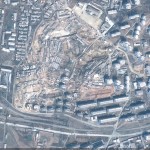
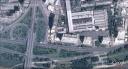
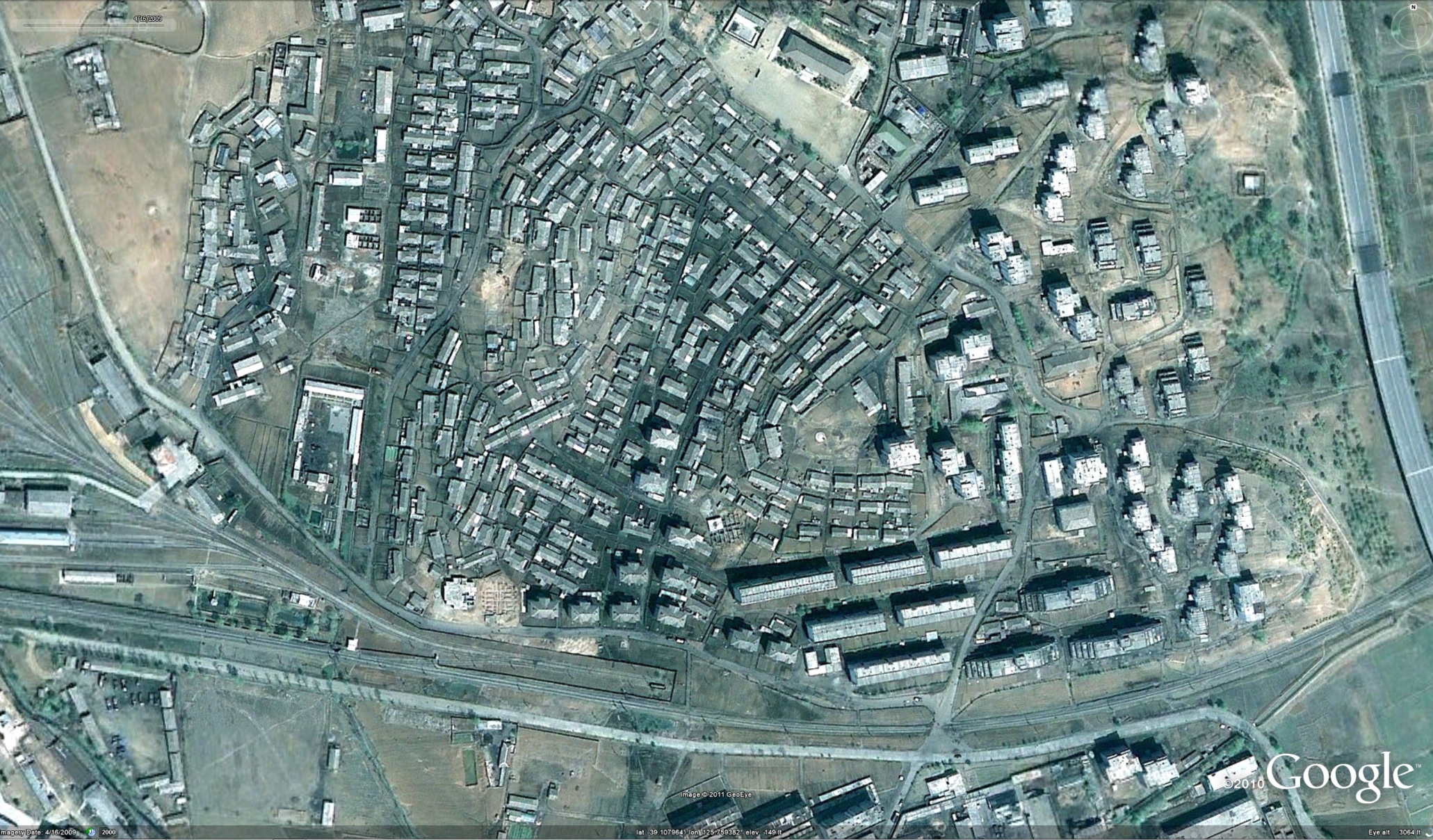
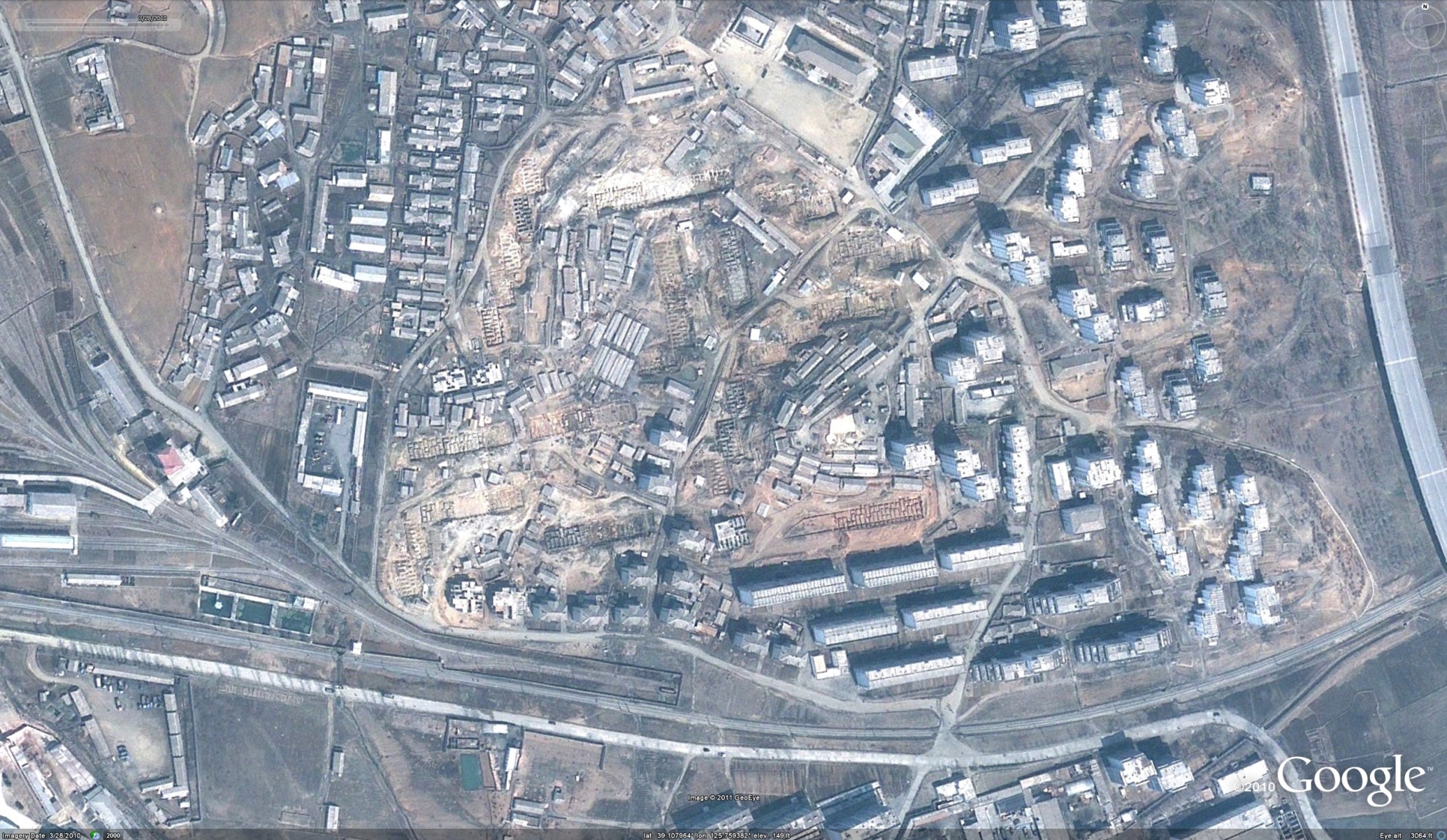
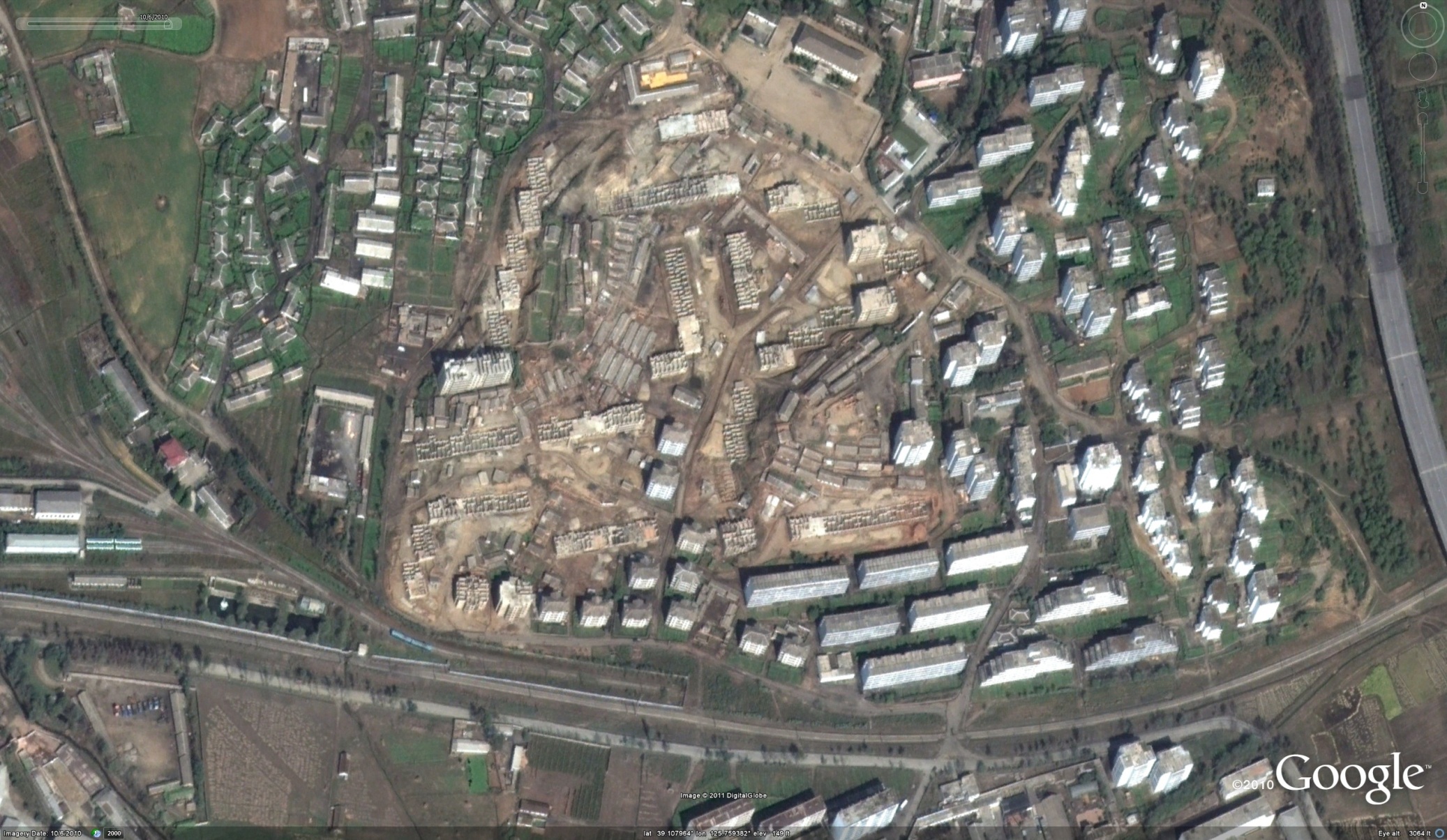
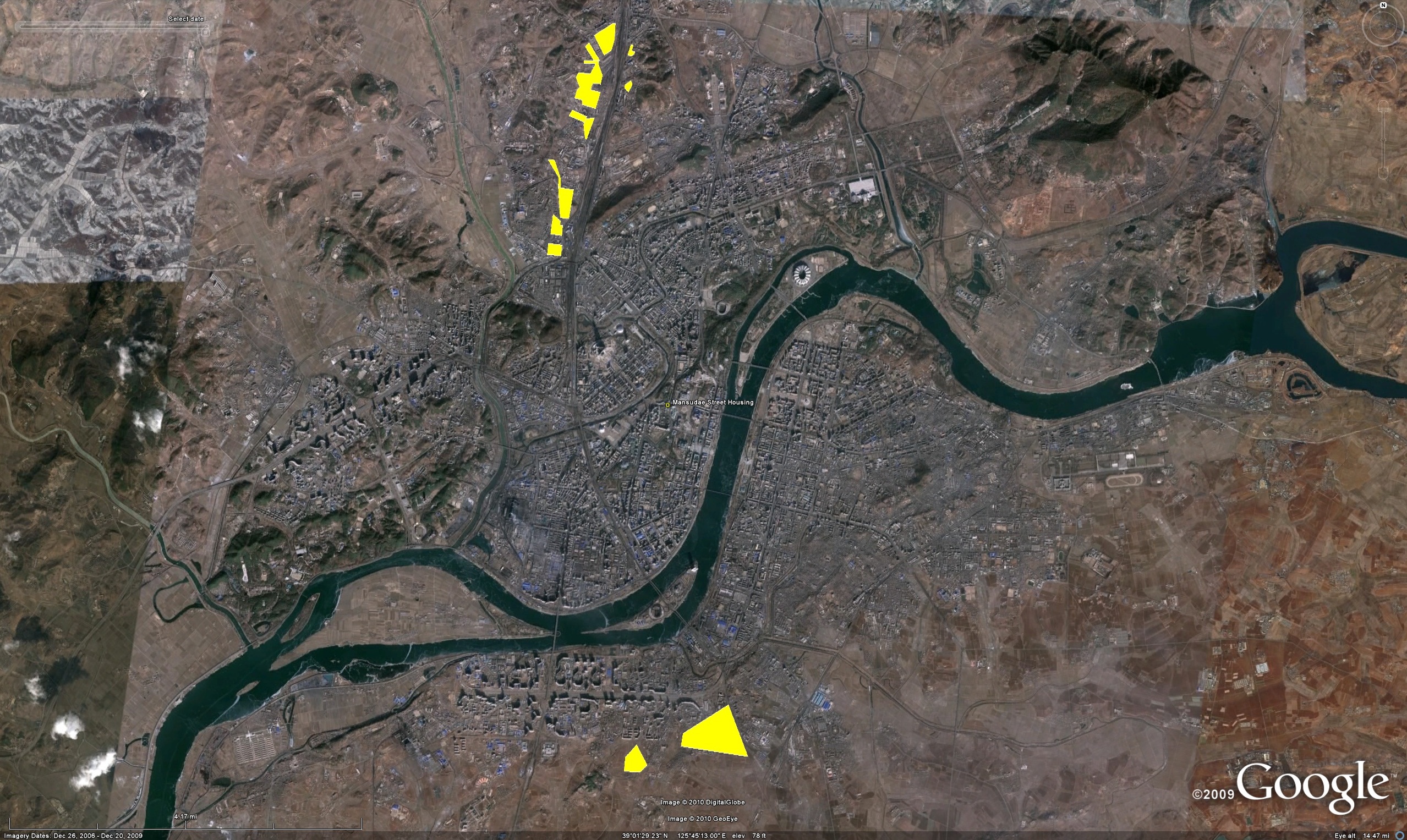
Pictured above (Goole Earth): New housing construction in Rakrang-guyok

For several years, the DPRK has been touting that it will build 100,000 new housing units by 2012. See here, here, and here for background.

This week, many South Korean news outlets reported that the DPRK had significantly downsized that number.  According to Yonhap:

North Korea has dramatically cut its goal of building 100,000 houses by next year, a government source said Monday, amid the North being economically squeezed by the international community for its nuclear and missile programs for years.

After the North started the project in Pyongyang in 2009, as part of its plans to achieve a strong and prosperous country by 2012, the North cut the number of planned houses by 75 percent to 25,000. The year 2012 marks the centennial of the birth of Kim Il-sung, the country’s late founder.

The North, however, is continuing to repair a towering bronze statue of Kim and renovate around the Kumsusan Memorial Palace, where his embalmed body lies, the source said on condition of anonymity, citing policy.

Kim is the father of current leader, Kim Jong-il. The Kims are the subject of a massive personality cult that pervades almost every aspect of North Korean society.

Still, the North has embarked on a project to demolish buildings and facilities in central Pyongyang to make room for high-rise apartments, a theater and a park for senior officials.

The North has begun interior work on one of its landmarks, the 105-story Ryukyong Hotel, which stood unfinished in downtown Pyongyang for nearly 20 years due to a lack of capital.

In 2008, the North resumed construction of the skyscraper, but it appears unlikely for the project to be completed next year. It is believed, however, that the North will finish some floors for use.

The last time that KCTV mentioned the 100,000 housing unit goal was on May 26, 2011…nearly a month ago.  I will keep up to see if it is ever mentioned again.  I would not hold my breath waiting for a lower number to be announced, however.

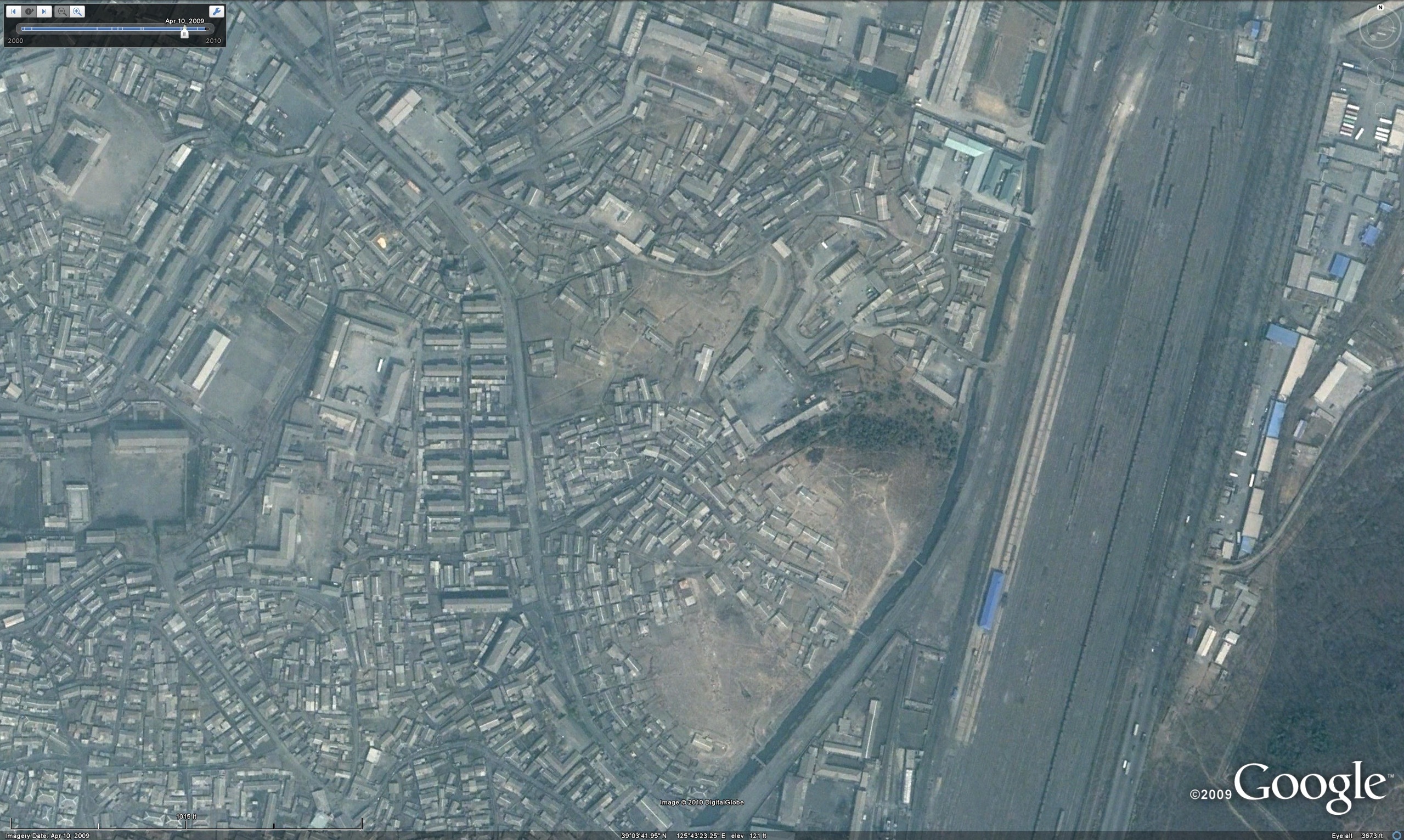
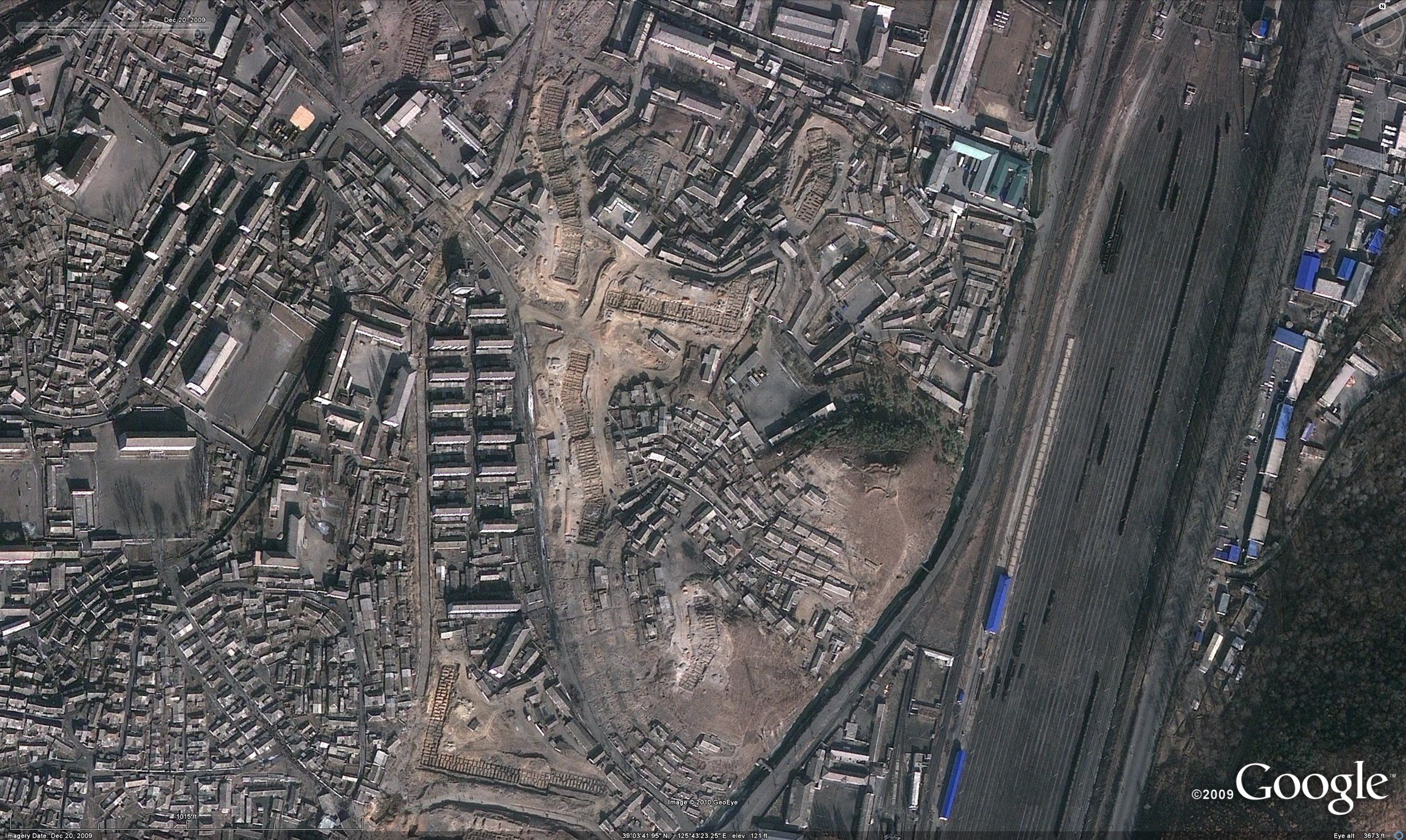
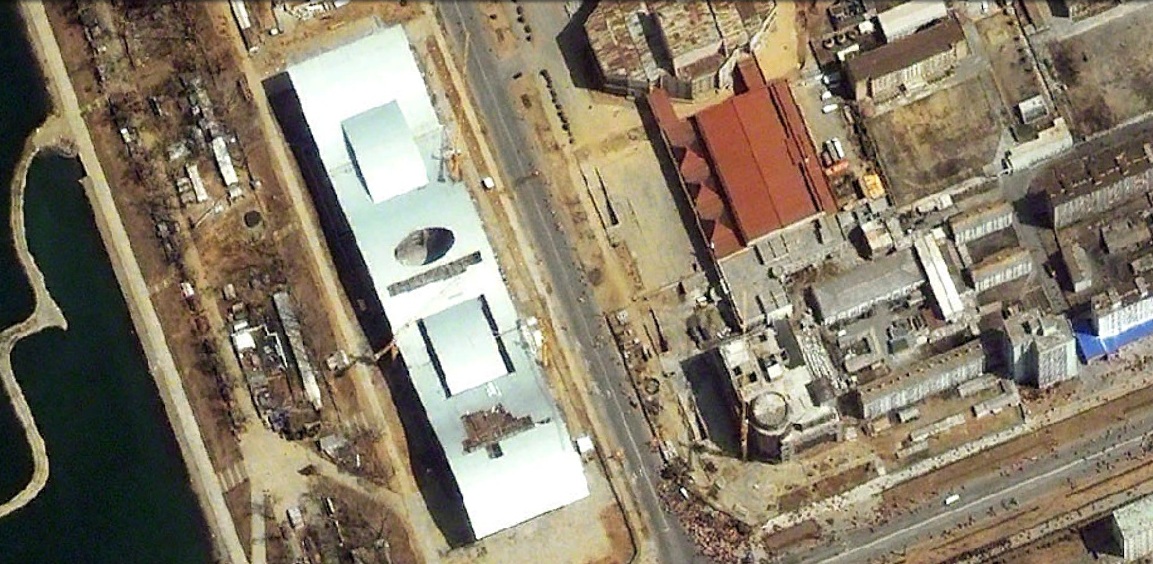
Using satellite imagery of Pyongyang, I can see appx 200 residential buildings under construction.  They are mostly concentrated in Hyongjesan-guyok.  On average, each of these buildings would have to contain 500 housing units to reach 100,000.  This is not possible given the dimensions of the buildings we can see. Additionally, most of these facilities are a long way from being completed.  With a goal of 25,000, that would mean new buildings on average would only need to contain 125 units…a much more reasonable number.

In terms of residential construction, the government now seems to be focusing its efforts primarily on completing the second phase of the Mansudae Street renovations in time for Kim Il-sung’s 100th birthday. See here and here.

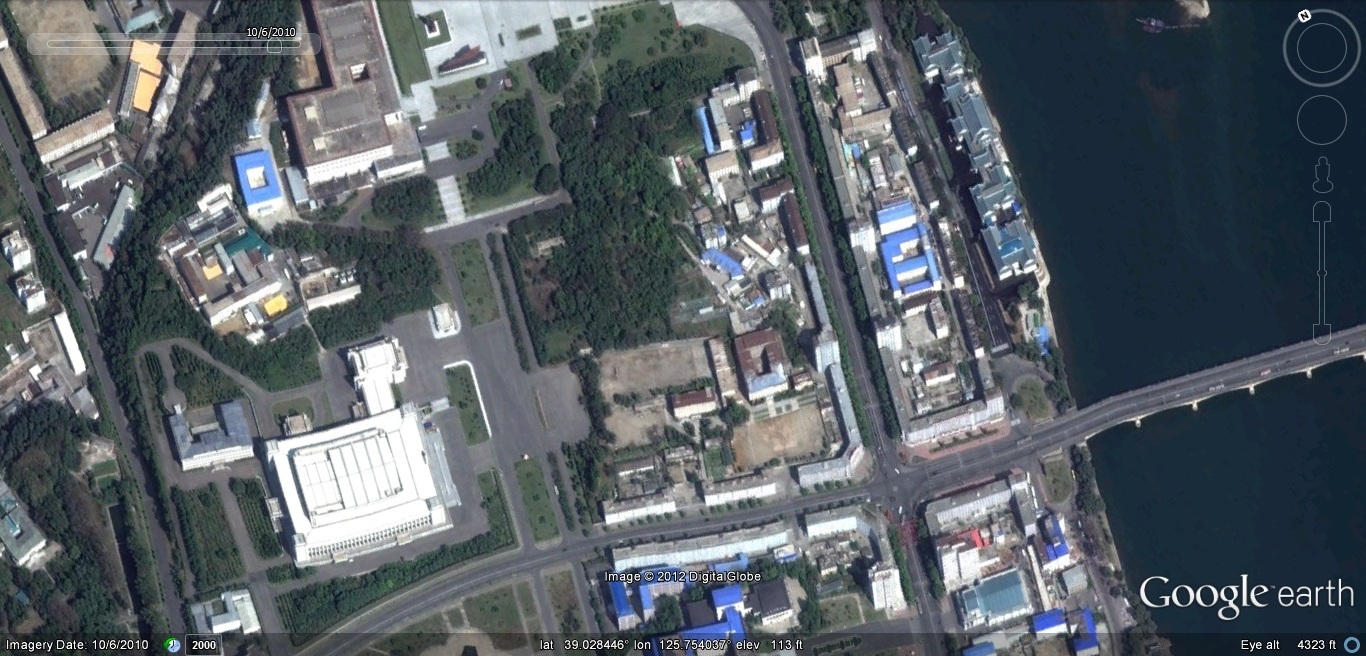
The prestigious units (visited by Kim Jong-il) that have been completed are all in Pyongyang’s Central District: Near the Potong Gate (Google Maps), Near Haebang Hill (Google Maps), and behind the Central Market (Google Maps).  I should point out, however, that these are not the only buildings to be completed.  Other less-prestigious buildings have been completed and occupied.  Also, many villages (ri, 리) outside the capital are being upgraded and provided new facilities.  I am not sure what the procedure is for deciding which villages receive new homes, but it can’t be random.  Being located next to a major highway seems to be an important variable (keeping up appearances).  I am also unsure what the DPRK does with all of the displaced residents. Are they going somewhere else to live with their families?  Are they living in temporary shelters?
The Daily NK and Choson Ilbo also covered this story.

Share

The recent trend of Kim Jong Il’s official activities after China visit

Tuesday, June 14th, 2011

Institute for Far Eastern Studies (IFES)
NK Brief 2011-6-13

Kim Jong Il has made four official appearances from May 28 to June 3 since his last visit to China, starting with industrial facility inspections. This could be construed as North Korea’s attempt to highlight current facility-building projects and the superiority of its leadership in improving the people’s economy, and to rally the North Korean people.

Kim commemorated his recent unofficial visit to China by attending a celebratory performance. In a speech, he commented on the outcome of the visit and encouraged solidarity and morale building of its people.

On his return from China, Kim provided field guidance at the construction site of Huichon Power Plant. He called for the early completion of the plant as an essential step in resolving North Korea’s chronic power shortage. Specifically, Kim commented, “Resolving the power shortage is the major task in order to build a strong and prosperous nation . . . . appropriate units must ensure timely production of facilities, equipments and materials.” Kim is reported to have visited the construction site of Huichon on five occasions from September 2009 to December of last year.

In addition, Kim visited a fish breeding institute and Kosan Fruit Farm, encouraging the pursuit of technology development projects through modernization and scientific advancement.

At the fish breeding institute, Kim called for the improvement of the ecological environment of the fishery and for the increase in fish production by constructing more fish farms and by advancing the facility in a way that meets the demands of industrialization and modernization.

Similarly at the Kosan Fruit Farm (located in the Gangwon Province), production was stressed once again as an important task. Kim called for the improvement in fruit production through modernization and the integration of science and technology. This was Kim’s third visit to the farm since 2008.

Kim’s official visits this year are slightly fewer in number compared with the same period of time last year: from 70 visits in 2010 (19 military-related, 29 economic-related, 6 foreign-related, 13 other activities), to 60 visits in 2011 (13 military-related, 28 economic-related, 6 foreign-related, 13 other activities) in 2011.

All major DPRK news outlets covered Kim’s recent visit to China. The Politburo of the Workers’ Party of Korea Central Committee organized a meeting calling for the strengthening of DPRK-China relations. Likewise, the Presidium of the Supreme People’s Assembly praised the current DPRK-China economic cooperation activities and growing friendship between the two nations.

Share