Archive for the ‘Manufacturing’ Category

FDI and JVCs in the DPRK…

Thursday, June 25th, 2009

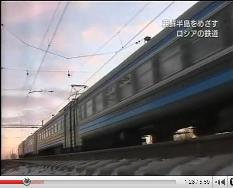
The General Association of Koreans in Japan (Chongryun) have made a video about foreign direct investment and joint venture companies in the DPRK.  I have posted links to the video below.  It features the PyongSu pharmaceutical factory among other things.  It is in Korean and Japanese (with Japanese subtitles), so if there are any readers who care to translate, please let me know if there is any interesting information in the videos:

Part 1:
chongryn-pyongsuvideo1.JPG

Part 2:
chongryun-pyogsu2.JPG

Part 3:
chongryun-pyogsu3.JPG

Share

Heju market update

Wednesday, June 10th, 2009

Google Earth has recently updated the imagery of the DPRK’s southern city of Haeju.  Here are some of the new attractions (click images for larger version):

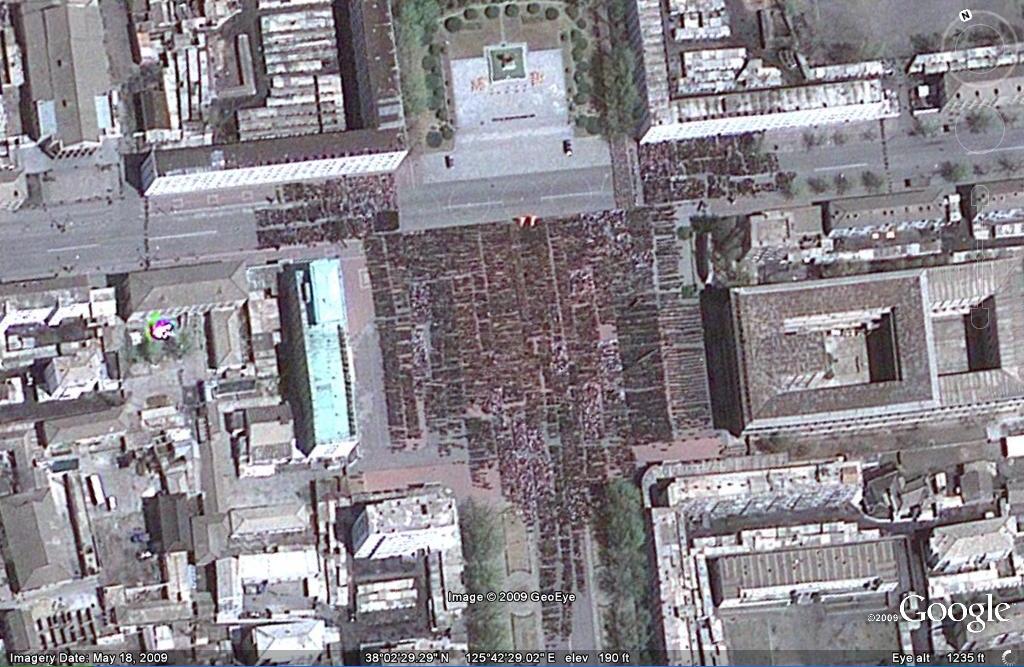
Mass rally:
In front of Haeju’s Kim il Sung statue

haeju-mass-rally.JPG

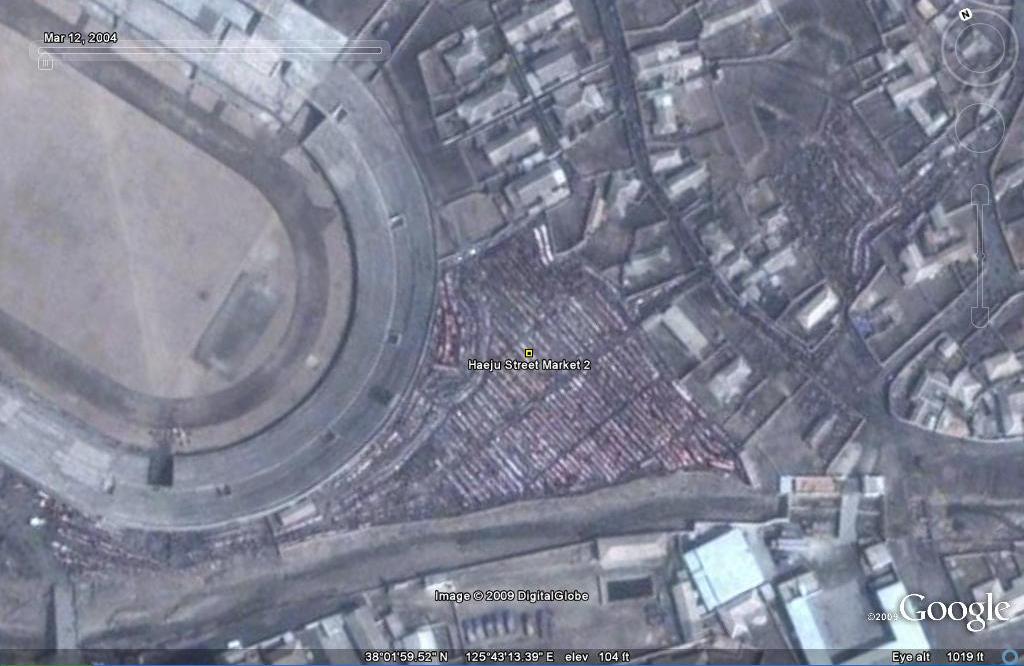
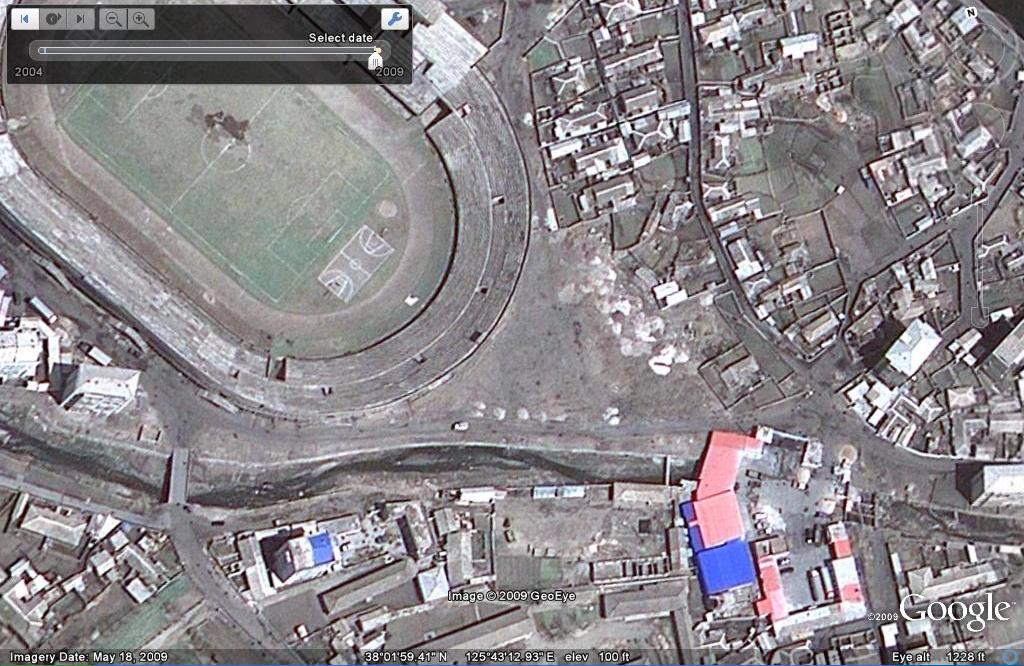
Market update:
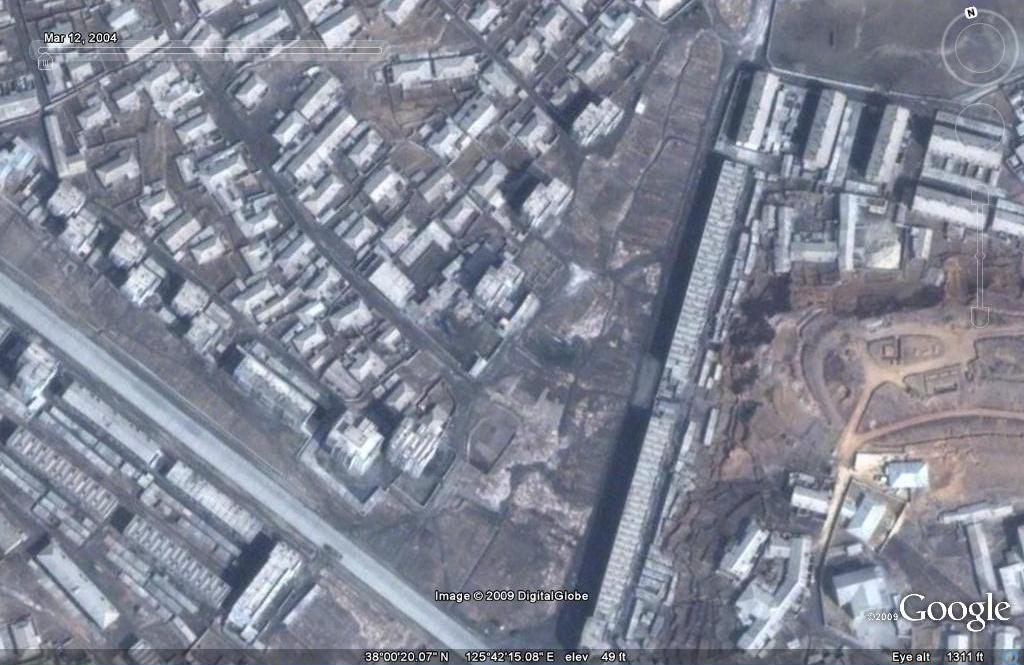
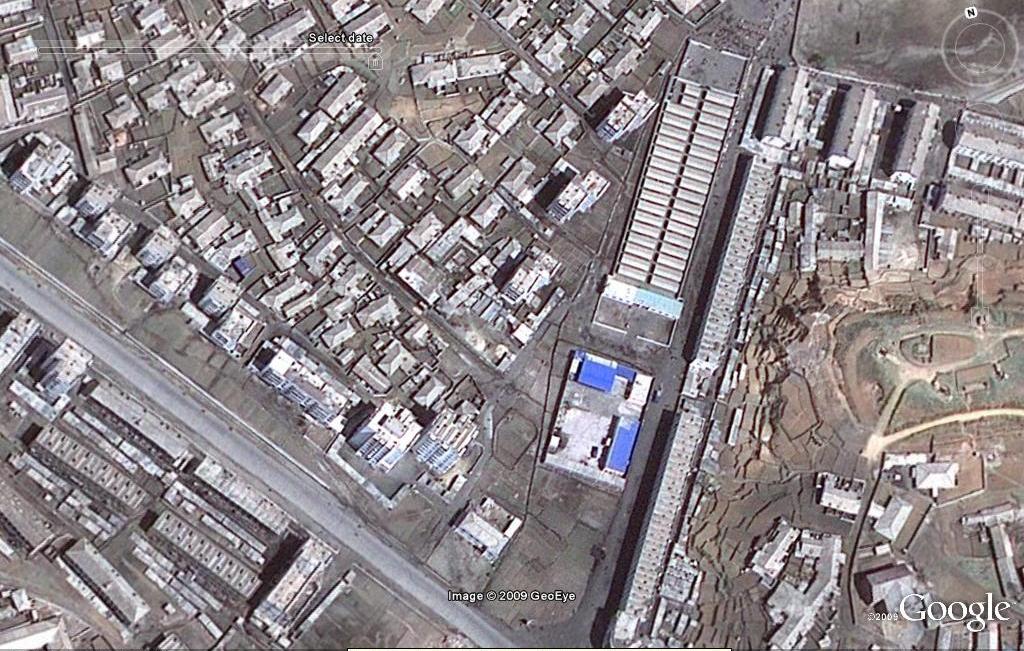
The street market near Haeju’s stadium has been closed

haejumarketgone1.JPG haejumarketgone2.JPG

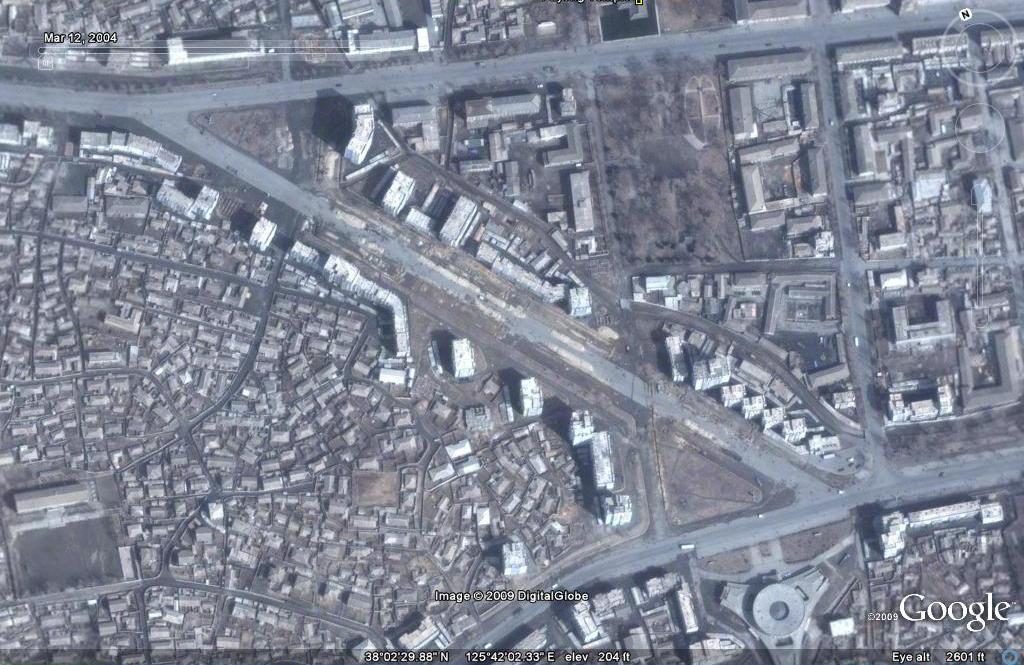
However, a new market opened up in the south of the city:

haeju-new-market.JPG haeju-new-market2.JPG

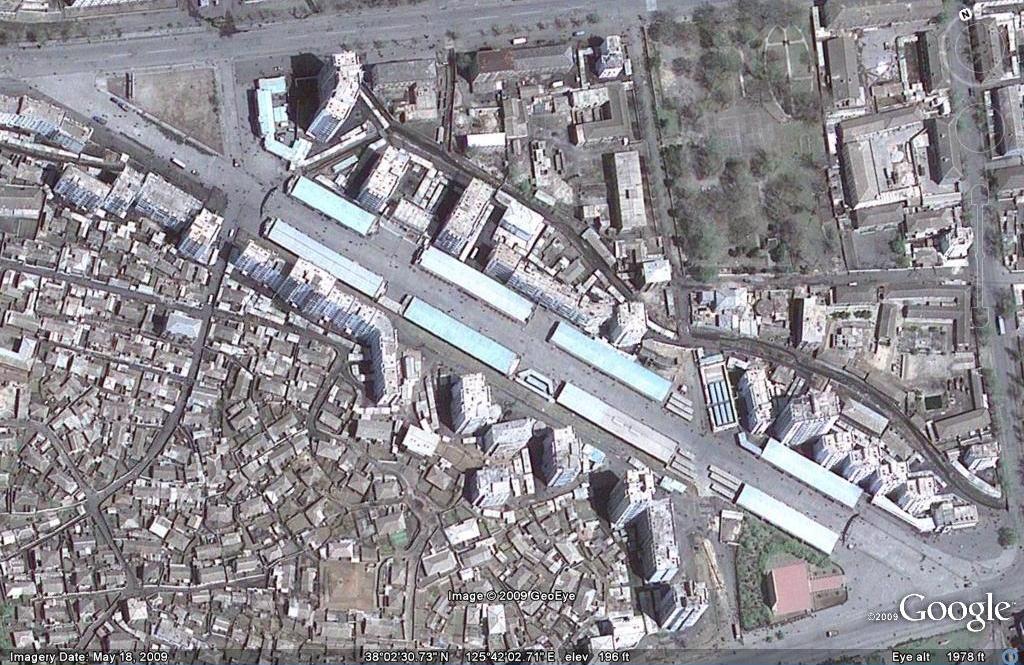
In fact, they seem to have constructed a new market district in the city:

new-haeju-market-street.JPG haeju-market-street-2.JPG

New factory:
Located in the Haeju’s north west. I am unsure what they manufacture:

haeju-new-factory.JPG haeju-newfactory.JPG

Share

Inter Korean trade falls in 2009

Tuesday, June 9th, 2009

According to Yonhap:

Trade between South and North Korea plunged nearly 25 percent in the first four months of this year amid growing tensions on the Korean Peninsula, a report showed Tuesday.

Inter-Korean trade amounted to US$426.35 million during the January-April period, down 24.8 percent from $566.92 million a year earlier, according to the report by the Korea Customs Service.

The decline comes as tensions mounted after North Korea fired a rocket on April 5, prompting the U.N. Security Council to unanimously condemn the move. The North responded by kicking out outside nuclear inspectors and quitting six-party denuclearization talks.

Trade between the two Koreas, which amounted to $328.65 million in 1999, surged more than five-fold to $1.79 billion in 2007 when leaders from the two sides met for the second time. Last year, trade inched up to $1.82 billion.

Experts say that trade is expected to fall further in months to come as tensions are still running high after the North conducted its second nuclear test last month in defiance of repeated warnings by the international community and recently sentenced two U.S. journalists to 12 years in a labor camp for illegally entering the country.

In addition, we pointed out earlier this month that the South Korean government had barely touched the funds it appropriated for inter-Korean projects in 2009.

Finally, although inter-Korean trade has floundered this year, the DPRK’s trade volume reached a record US$3.8 billion in 2008, due largely to its trade with China.  

Read the full Yonhap story here:
Inter-Korean trade tumbles amid growing tensions
Yonhap
Koh Byung-joon
6/9/2009

Share

Kaesong Update: Deteriorating relations and trade

Tuesday, April 28th, 2009

This week, The South Korean government announced that if the North unilaterally files formal charges against a detained South Korean worker it will reevaluate regulations for its citizens to enter the zone which would require each border crosser to obtain a written guarantee of his safety from Pyongyang before leaving South Korea.  Although the number of South Korean workers allowed to cross the DMZ was reduced after the North’s missile launch, this would effectively prevent South Korean managers from entering the Kaesong Zone and would likely bring an end to operations there.  According to Yonhap:

South Koreans may be barred from visiting North Korea if the communist country takes legal action against a Hyundai Asan employee who has been unlawfully detained by Pyongyang, a government source said Sunday.

The Hyundai employee, who works at the Kaesong Industrial Complex and is identified only by his family name of Yu, has been held for 28 days for allegedly criticizing Pyongyang’s political system and trying to lure a North Korean female worker to defect to the South.

The worker in his 40s has yet to be interviewed by South Korean authorities to determine the exact nature of the detention.

“Under the special arrangement governing the Kaesong complex, the two Koreas must reach an understanding on how to deal with serious offenses involving South Koreans (that carry punishments) exceeding warnings, fines and expulsions,” the source, who declined to be identified, said.

“If Pyongyang takes unilateral action to indict the worker, it will be a violation of the fundamental rules related to cross-border interactions and will compel Seoul to rethink its stance on allowing South Korean to visit the North,” the source stressed.

The bilateral agreement makes clear that Pyongyang should respect the rights of South Korean workers, dwellings and property in Kaesong and the special tourist region in Mount Kumgang on the east coast. The latter has been closed since the shooting death of a female tourist by North Korean guards last July.

He said that if protection for South Koreans nationals cannot be ensured, Seoul will be compelled to review its policies on allowing visits from scratch.

“If this is the case, even employees working at Kaesong will have to get individual, written permission from North Korea that they will not be detained,” the official said.

Such a move could effectively make it hard for South Koreans to go to North Korea, crippling normal operations at the complex just north of the demilitarized zone that separates the two countries.

As of March, 101 South Korean factories operated in the complex, employing about 39,000 North Korean workers. The Kaesong park opened in 2005 and produces labor-intensive goods such as clothing, kitchen wares and watches. (Yonhap)

Given the trajectory of North-South relations this year, it is no surprise that inter-Korean trade dropped 30% in March.  According to Yonhap:

Monthly trade between South and North Korea fell more than 30 percent on-year in March, as tensions ran high over South Korea-U.S. joint military exercise, government data showed Monday.

The two Koreas exchanged goods and services worth US$108.74 million over the last month, down 31.1 percent from $157.9 million in the same period in 2008, the data from the Unification Ministry said.

North Korea sealed the border three times in March, disrupting South Korean production in a joint industrial complex in the North’s border town of Kaesong. Pyongyang imposed the ban in retaliation against a joint military exercise South Korea staged with the United States from March 9 to 20 south of the border.

Pyongyang blasted the joint exercise as a rehearsal for a “second Korean War,” while the two allies say the annual drill is purely defensive.

More than 100 South Korean firms operate in the Kaesong industrial venture, just an hour’s drive from Seoul, joining their capital and technology with North Korea’s cheap but skilled labor.

North Korea demanded the South raise wages, pay fees for land use and revise existing contracts for the Kaesong venture during inter-Korean government talks last week, the first official dialogue in more than a year. Seoul is gathering opinion from South Korean firms and plans to respond to the North Korean demand as early as this week.

Hyundai Asan, which has seen a dramatic reversal of fortune in the last year, has launched a new tourism project to make up some of its lost revenue.  Unable to offer trips to Kaesong and Kumgangsan, they are still trying to capitalize on the mystery of the DPRK:

Hyundai Asan said its new programme includes one-day tours costing 46,000 won (34 dollars) per person to border areas at Paju and Yeoncheon, north of Seoul.

Two-day tours to the border area at Yanggu, 175 kilometres northeast of Seoul, and to Mount Sorak on the east coast, will cost 118,000 won.

“Along with trips to front-line fences, tourists will be allowed to see wildlife and other places which remained untouched for decades,” a Hyundai Asan official told AFP.

Visitors will not be allowed inside the DMZ itself.

Hyundai Asan said the new programme would help ease its financial woes, which began when a South Korean woman tourist was shot dead when she strayed into a military zone at Kumgang last July.

The Seoul government halted tours to Kumgang after the shooting, while Pyongyang barred the one-day tours to Kaesong city as relations worsened.

The company’s other major joint project, the joint industrial complex near Kaesong city, is also facing problems due to sour cross-border ties.

The communist North has expelled hundreds of South Korean staff and restricted access to the Seoul-funded complex.

On March 30 it detained a Hyundai Asan employee for allegedly criticising the North’s regime and trying to persuade a local woman worker to defect.

Read the full stories below:
Gov’t warns it can bar S. Koreans from visiting N. Korea
Yonhap
4/26/2009

Inter-Korean trade drops 30 percent in March during political tension
Yonhap
4/27/2009

South Korean firm to start tours along North Korea border
Channel News Asia
4/27/2009

Share

Chinese investment in DPRK

Wednesday, April 8th, 2009

Writing in the Wall Street Journal, Evan Ramstad offers some information on China’s investments in North Korea:

The diplomatic minuet is taking place after China increased trade with North Korea over the past four years. Last year, trade between China and North Korea jumped 41% to $2.79 billion, with most of that coming from increased exports by China.

 On Tuesday, truck traffic between the two countries resumed after a break Monday for a Chinese holiday. Dozens of trucks made the crossing in Dandong, a major city along the North Korean border.

China has been North Korea’s chief political and economic sponsor since the Soviet Union collapsed nearly 20 years ago. For much of that time, it served as donor of last resort, making up the difference when energy, food and donations to North Korea dropped off from other countries. That often amounted to $100 million to $200 million in aid.

China broke from that pattern in 2005 by boosting its exports and widening its trade surplus with North Korea. Outside experts view China’s trade surplus as the chief measure of its economic aid to North Korea because North Korea has no measurable debt instrument and little ability to narrow the trade gap.

Chinese companies, sometimes with help from the Chinese government, are investing heavily in North Korea’s mining industry, construction and light manufacturing such as textiles. Chinese consumer goods line store shelves and market stalls in North Korea.

Many executives of Chinese companies in North Korea say it’s a difficult place to operate. Among the challenges: getting money out of the country. China helped Panda Electronics Group, based in Nanjing, start a computer assembly factory with Taedong River Computer Corp. in North Korea five years ago.

North Korea’s currency, the won, can’t be converted. To move money out of the country, Panda must buy commodities in North Korea and sell them in China for cash, an executive said.

The increased business activity in North Korea reflects China’s desire to treat North Korea more as a “normal country” rather than a socialist brother entitled to unlimited assistance, scholars and analysts in China say. They say China also hopes its companies in North Korea will encourage the North’s government to open its economy as China began to do in the 1980s.

Wang Kai, a manager of Liaoning Fuxin Tianxin Technology and Development Co., says the company decided to build a pipe-making factory in North Korea because the country’s economy has few places to go but up.

“North Korea’s situation and economic status are pretty similar to China’s before the start of the opening up and reform policy,” Mr. Wang said in an interview before the rocket launch.

Others note China’s desire is to prevent North Korea’s collapse, which might pour refugees into China’s northeast.

The increased business is yielding a payoff in political influence for China in Pyongyang that’s become more important since North Korean dictator Kim Jong Il was incapacitated by illness in August. One signal that Mr. Kim was back in control came when he met in late January with a delegation of visiting diplomats from Beijing.

Read the full story here:
Economic interests shape Beijing’s Pyongyang Policy
Wall Street Journal Online
Evan Romstad
4/8/2009

Share

European insurers and LinkedIn nervous about the Swiss

Friday, March 20th, 2009

Over the last few years, the European Union has pursued an engagement policy with North Korea.   MEP Glyn Ford makes regular trips to Pyongyang to facilitate diplomatic progress; the German Freidrich Naumann Foundation runs economic education courses; European donors founded the Pyongyang Business School; and a small group of European ex-pat businessmen formed a de facto chamber of commerce, the European Business Association in Pyongyang.  Although European companies have experienced mixed success in the DPRK they continue to look for new opportunities

This morning, however, Felix Abt, a Swiss director of the PyongSu Pharmaceutical Joint Venture Co. in Pyongyang informs me that his life insurance policy (purchased from a European company) has been cancelled. 

“A European life insurance company cancelled my life insurance because I am a dangerous person living in a dangerous country. Credit card organisations cancel credit cards for such persons in such countries, health insurance companies come up with other reservations and limitations and the latest organisation that has just expelled me is LinkedIn with a very curious explanation.”

I am unsure how the cancellation of life insurance policies could impact other Europen investments in the DPRK, but the marginal effect cannot be positive.  Mr. Abt has been a resident of Pyongyang for years where he manufactures Western-quality pharmaceuticals.  Needless to say, the DPRK is very much in need of his services, so it is a shame that after all this time he is now considered a liability by his insurer.

Mr. Abt also forwarded his rejection from the business networking site LinkedIn, which is posted below:
 

linkedin.JPG

Apparently LinkedIn‘s legal department considers logging into the server as “receiving goods of US origin” (the software I presume), and so it prohibits account holders, or even logging in, from Cuba, Iran, North Korea, Sudan and Syria—even if they are Swiss.

Share

North Korea Google Earth

Wednesday, March 11th, 2009

North Korea Uncovered v.16
Download it here

laurent-kabila.jpg

The most recent version of North Korea Uncovered (North Korea Google Earth) has been published.  Since being launched, this project has been continuously expanded and to date has been downloaded over 32,000 times.

Pictured to the left is a statue of Laurent Kabila of the Democratic Republic of Congo.  This statue, as well as many others identified in this version of the project, was built by the North Koreans. According to a visitor:

From the neck down, the Kabila monument looks strangely like Kim Jong Il: baggy uniform, creased pants, the raised arm, a little book in his left hand. From the neck up, the statue is the thick, grim bald mug of Laurent Kabila (his son Joseph is the current president). “The body was made in North Korea,” explains my driver Felix. In other words, the body is Kim Jong Il’s, but with a fat, scowling Kabila head simply welded on.

This is particularly interesting because there are no known pictures of a Kim Jong il statue.  The only KJI statue that is reported to exist is in front of the National Security Agency in Pyongyang.  If a Kim Jong il statue does in fact exist, it might look something like this.

Thanks again to the anonymous contributors, readers, and fans of this project for your helpful advice and location information. This project would not be successful without your contributions.

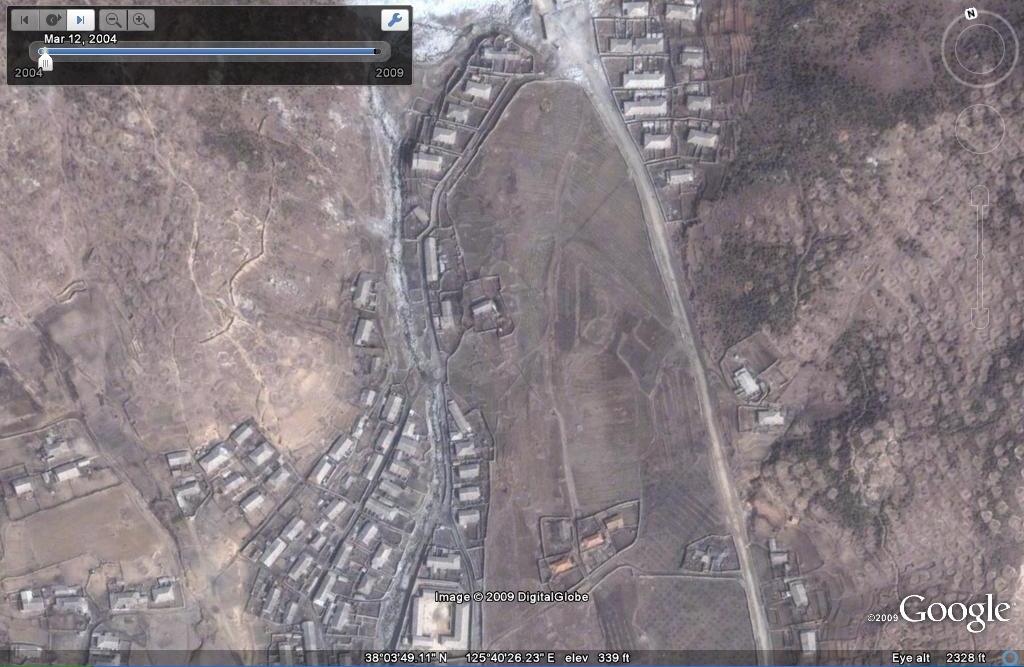
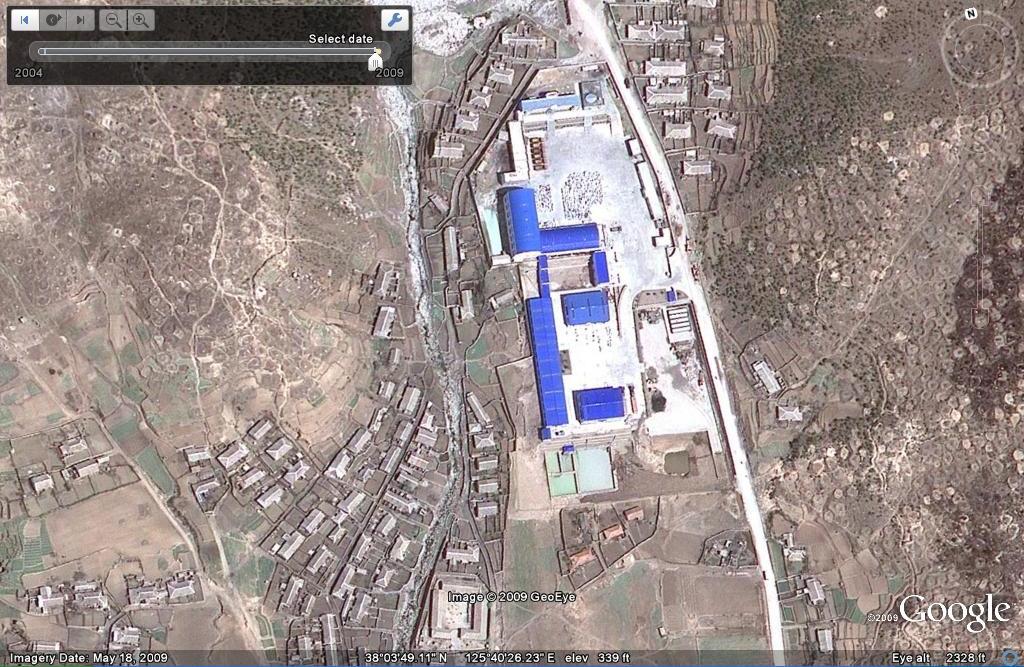
Version 16 contains the following additions: Rakwon Machine Complex, Sinuiju Cosmetics Factory, Manpo Restaurant, Worker’s Party No. 3 Building (including Central Committee and Guidance Dept.), Pukchang Aluminum Factory, Pusan-ri Aluminum Factory, Pukchung Machine Complex, Mirim Block Factory, Pyongyang General Textile Factory, Chonnae Cement Factory, Pyongsu Rx Joint Venture, Tongbong Cooperative Farm, Chusang Cooperative Farm, Hoeryong Essential Foodstuff Factory, Kim Ki-song Hoeryong First Middle School , Mirim War University, electricity grid expansion, Tonghae Satellite Launching Ground (TSLG)” is also known as the “Musudan-ri Launching Station,” rebuilt electricity grid, Kumchang-ri suspected underground nuclear site, Wangjaesan Grand Monument, Phothae Revolutionary Site, Naedong Revolutionary Site, Kunja Revolutionary Site, Junggang Revolutionary Site, Phophyong Revolutionary Site, Samdung Revolutionary Site, Phyongsan Granite Mine, Songjin Iron and Steel Complex (Kimchaek), Swedish, German and British embassy building, Taehongdan Potato Processing Factory, Pyongyang Muyseum of Film and Theatrical Arts, Overseas Monuments built by DPRK: Rice Museum (Muzium Padi) in Malaysia, Statue de Patrice Lumumba (Kinshasa, DR Congo), National Heroes Acre (Windhoek, Namibia), Derg Monument (Addis Ababa, Ethiopia), National Heroes Acre (Harare, Zimbabwe), New State House (Windhoek, Namibia), Three Dikgosi (Chiefs) Monument (Gaborone, Botswana), 1st of May Square Statue of Agostinho Neto (Luanda, Angola), Momunment Heroinas Angolas (Luanda, Angola), Monument to the Martyrs of Kifangondo Battle (Luanda, Angola), Place de l’étoile rouge, (Porto Novo, Benin), Statue of King Béhanzin (Abomey, Benin), Monument to the African Renaissance (Dakar, Senegal), Monument to Laurent Kabila [pictured above] (Kinshasa, DR Congo).
Share

DPRK feeling some effects of global econ downturn

Sunday, March 1st, 2009

The global financial crisis/recession is affecting some of the DPRK’s most visible assets. 

The first example comes from the Kaesong Industrial Zone, where South Korean firms are obliged to pay North Korean workers’ wages in $US directly to the North Korean government.  Since the South Korean Won/$US exchange rate has risen significantly in recent months, companies in the Zone have seen their labor costs (denominated in $US) soar.  Since wages are fixed and firms are unable to lay off workers, some have responded by simply not paying wages—which does not affect the workers so much as it does the North Korean government’s finances, since it keeps most of the funds.

Quoting from Radio Free Asia:

Authorities in North Korea have warned South Korean companies in its Kaesong industrial area they must pay workers’ wages or face fines, as many investors begin to feel the effects of the economic downturn.

Lee Lim-dong, secretary general of the Committee of the Association of Enterprises Invested in the Kaesong Industrial Complex, said the issue of unpaid salaries was brought up late last year but had now become a formal demand.

“This time around, official notification was issued to all South Korean enterprises invested in Kaesong, through the Kaesong Industrial District Management Committee (KIDMC),” Lee said.

South Korean businesses invested in Kaesong have already incurred serious losses due to the depreciation of the South Korean won against the U.S. dollar, according to Kim Kyu Chol, head of the Forum for Inter-Korean Relations, a Seoul-based group monitoring inter-Korean business relations.

“They already have to spend 30-45 percent more on labor [because of this],” he said, adding that the lives of South Korean entrepreneurs in the Kaesong economic zone would now be even more difficult.

… 

According to Park Yong-man, director of Green Textile Co.—a South Korean company invested in Kaesong—“The official notification was sent to all South Korean companies in Kaesong on Feb. 10.”

Meanwhile, Kim said, one South Korean electroplating company had already failed to pay its North Korean workers for more than three months and had been suspended.

Seven South Korean companies in Kaesong are currently unable to pay their North Korean workers on time and will soon be in bigger trouble because of the new measures, Kim said.

South Korean companies operating in Kaesong are not allowed to recruit or dismiss North Korean staff directly, and North Korean authorities impose quotas of staffing numbers on them.

In early February, North Korean officials said that salaries of North Korean supervisors watching over the night shift at South Korean enterprises in Kaesong would have to increase by 200-300 percent, putting further pressure on labor costs.

And companies can be suspended from operations for failing to pay their employees for more than a month.

Kim said South Korean companies in Kaesong don’t need more supervisors or clerical workers, which the North Korean side has sought.

“They are already facing a managerial crisis, and a [demanded] 50 percent increase in the number of North Korean managerial staff is pushing it too hard,” he said, adding that South Korean enterprises would find this hard to accept.

Until recently, the Kaesong Industrial District Management Committee (KIDMC), a joint North-South panel overseeing the complex, was responsible for half of the U.S. $10 a month transportation allowance given to North Korean workers in Kaesong.

North Korea demanded as of Jan. 1 that South Korea Kaesong companies must now pay the entire cost.

Now hard bargaining can pay off sometimes, especially for North Korea, but with all that has happened in the Zone recently it seems as if the DPRK actually wants these businesses to leave.  The DPRK’s negotiators are smart enough to know that the pie is shrinking and they naturally want to protect their share, but unfortunately they don’t yet seem to appreciate that their actions will have serious ramifications on future investment in the Zone once the global economy turns the corner.

Example No. 2: Unfortunately, recent economic conditions have also reduced the number of South Korean tourists venturing abroad where they might enjoy diversions such as eating in a North Korean-owned restaurant.

Quoting from Japan Probe:

Ever since a North Korean government restaurant opened in Bangkok two years ago, the Japanese press have been regularly visiting the place with hidden cameras to catch a glimpse of its dinnertime performances. However, it has now been discovered that the restaurant recently went out of business.

Most of its business had come from South Korean tourists, but the weakening of the won and the decline in tourism to Thailand due to the airport protests seem to have dealt a death blow to the restaurant. Attempts to contact North Korea-run restaurants in Cambodia and Vietnam failed, suggesting that those restaurants may have also gone under. It has also been said that a similar North Korean restaurant in China has suffered a big drop in business.

Read the RFA article here:
North Korea Warning Over Labor
Radio Free Asia
J.W. Noh
9/26/2009

Share

North Korea’s transformation: A legal perspective

Thursday, February 12th, 2009

The Institute for Far Eastern Studies (IFES) published an interesting paper (with the above title) on legal reform in the DPRK.  Below are some highlights.  Links to the entire paper at the bottom.

As citizens have been left without state provisions for subsistence since the state did not have the material resources to supply the people through its central rationing system, the vast majority of individuals and organizations had to support themselves. Legitimizing commercial and market activity and expanding the scope of private ownership were a part of this effort. One of the most important laws reflecting this transformation is the Damage Compensation Law (sonhae bosang-beop), which is the North Korean version of a general torts law. This law holds an individual or any legal entity liable for its tort when damage is inflicted. Monetary compensation is the rule, while restoration is allowed when possible.

Under the socialist system, where the state is responsible for the provision of a citizen’s livelihood, tort law was of little use. Even in the case of death, one’s family would not suffer economically since the state provided sustenance rations. However, with the collapse of the public distribution system, the North Korean authorities could no longer maintain their socialist system. Since an individual now has to rely on his or her own devices, the loss of the employment, for example, directly inflicts a financial burden on the individual or family. Therefore, damage to property or person should be compensated for by the responsible party. Therefore, the new damage compensation law acts as a new mechanism for the protection of private property, and strengthens individual responsibility for negligent acts that inflict damage on others.

and…

Relaxation of law and order, along with the laxity of organizational control due to economic difficulties, changed individual attitudes toward government authorities and organizations in which these individuals were members. Individuals became more independent from the state and its organizations, since both the state and more directly engaged organizations lost important means of control over individuals in society due to the lack of resources and the inability to provide basic necessities to the people.

Under these circumstances, individual victims had no appropriate method to seek compensation for damage through an official dispute resolution process. This has led to an environment in which self-remedy has become the rule, rather than the exception. Although new criminal law punishes those who have used force in asserting their rights, there is no effective means of dispute resolution outside of taking advantage of officials willing to look the other way in exchange for favors, or hiring thugs to more directly resolve disagreements. Citizens can buy justice through bribes, and law enforcement officials are especially helpful in these endeavors when their palms are greased. This is much more economical as well as effective than bringing a case to the relevant official agency, which is generally incapable of resolving problems and instead further exploits the situation.

On courts and lawyers…

For example, the most prominent role of the court in North Korea, where other types of lawsuit are very unusual, was to handle divorce settlements, since divorce through simple agreement of the two parties was not allowed. Ordinary citizens went so far as to perceive settlement of divorce to be the most important role of the court. Criminal cases were also unusual. Political crime is handled through a non-judicial process, while many deviances are resolved through unofficial processes within more local organizations. The role of the court in resolving disputes was negligible, aside from divorce. Since the role of law enforcement agencies is to protect the state and secure the socialist system, the most important qualification for them is not legal expertise, but rather, loyalty and devotion to the North Korean ideology and system.

On the other hand, the Lawyer’s Act of 1993 prescribes the required qualifications of a lawyer. Those who are eligible to work as lawyers are those who are certified legal professionals, those who have working experience of no less than 5 years in legal affairs, or those who have a professional license in a certain area and have passed the bar examination after a short-term course in legal education. This qualification for working as a lawyer signifies that the state wants to equip the judicial system with legal professionals. Although there is no explicit professional qualification for a judge or prosecutor, we may assume that legal professionals have been elected or recruited in practice. This trend is likely to be reinforced as these social changes continue to unfold.

New provisions were also introduced to reinforce the judicial system. For example, interference with a law enforcement official’s performance of duties is now a punishable offence ; Threatening a witness or exacting revenge has been criminalized ; Non-execution of judgment will now be punished. Although the introduction of these provisions was an expression of the government’s effort to bring in a more effective judicial system, it would not be an easy task under the vague status of transformation. The state is very cautious and reluctant to undertake bold or fundamental changes due to concerns about political instability. Therefore, it takes time for various coherent mechanisms to fully support a market system.

You can download the entire paper in PDF format here.

You can read it on the IFES web page here.

Share

Kim Jong il birthday gifts 2009

Wednesday, February 4th, 2009

UPDATE 2/20/2009): According to the Daily NK:

“Special holiday provisions,” which have long been provided to all the people of North Korea on the three major holidays, Lunar New Year’s Day, Kim Il Sung’s and Kim Jong Il’s birthdays, and provided a rare moment of modest luxury in the year, are becoming scarce and discriminatory in their application by the authorities.

A source from Yangkang Province reported in a telephone interview with Daily NK on the 17th, “There were no holiday provisions in Hyesan provided to the citizens.”

The source explained some of the causes, “In the past, the authorities prepared holiday provisions and handed them over in one lump to each city, county and province. But now, factories, working places or collective farms prepare provisions for associated workers and farmers by themselves. In this situation, cadres cast their obligation to prepare and distribute provisions onto lower managers and take their own portions first. Accordingly, many other citizens cannot have been given any provisions.”

The source from Yangkang Province continued that, “The holiday provisions had continued, even though they were nominal, until now. It was unimaginable that there could be no holiday provisions because even on October 10, 2005, the 60th anniversary of the founding of the Party, and on September 9 last year, on the 60th anniversary of the nation’s’ founding, there were special provisions of some sort.”

Historically, there have generally been three kinds of special provisions on national holidays. The first one is holiday gifts for children consisting of candies, cookies or school supplies; the second is more substantial foodstuffs like pork or liquor for everybody; and lastly the General’s special gifts for cadres and some workers or farmers who achieve impressive results.

“Get holiday provisions for yourselves!”

Until right before Kim Il Sung’s death, on the three holidays, these gifts and provisions could be taken for granted.

However, as the economic situation turned ugly, the special provisions from Pyongyang were all suspended. Since 1998, the holiday provisions have been given only to citizens of Pyongyang, aside from one kilogram of candies and cookies supplied to elementary school students.

Since 2000, the authorities have ordered other work places, factories and collective farms to provide holiday provisions by themselves from their own funds.

The order created side effects. Factories and other work places started mobilizing workers and residents to collect beans, medical herbs and bracken under the pretext of making foreign currency. They allotted certain duties to the People’s Units, factories and farms. For cadres, it appeared to be a significant business.

Regarding the Lunar New Year’s Holiday provisions for 2009, the North Korean authorities issued an instruction on December 20th entitled, “With respect to preparations for 2009 Lunar New Year’s Holiday provisions distinctively under the responsibility of the committee of each level of the Party.” It came from the Guidance Department of the Central Committee of the Party.

The source criticized that, “The cadres have used this occasion to generate benefits for themselves. Households where holiday provisions were given on Lunar New Year’s Day were just those of the “marvelous” cadres’ of the National Security Agency, the People’s Safety Agency, the Ministry of Foreign Trade and the Party.”

“On the 16th, local cadres of the Party were taken rice, pork, liquor, bean oil, and cigarettes as holiday provisions. Besides gifts to the Party in the provinces by each department, cadres of the Guidance Department under the Party in local provinces were given socks and cosmetic products produced in China,” the source reported.

He released rumors of this custom circulating among the people, “Some say that the Party in Poongseo, Yangkang Province exported 300 square meters of timber in early January [nominally in order to prepare for holiday provisions]. And, others say that deer and wild boar were offered to officials of local committees of the Party, the NSA and the PSA of the provinces.”

“When holidays come, only the people without power suffer to make foreign currency to guarantee cadres’ special provisions. Otherwise, they have to offer bribes in order to avoid doing such activities.”

Kim Jong Il’s special gifts flow into seats of power

A source from North Hamkyung Province revealed on the 17th, “For the February 16 holiday, the state supplied the authorities of Pyongyang, Hoiryeong, Samjiyeon and Kaesong Special District with provisions. In Hoiryeong, they received a bottle of bean oil, 500 grams of candies and cookies, soap, toothbrush and toothpaste.”

He additionally reported that, “In some regions of South Hwanghwa and North Pyongan Province, two or three-days of food were provided around February 16.”

The regions where the special provisions were supplied were all selected by the authorities; Hoiryeong, because it is the hometown of Kim Jong Il’s mother, Samjiyeon is the county where Kim Jong Il insists he was born, and Kaesong is a place opened to South Korea so it may have been for propaganda towards foreign visitors.

The source explained, “In 2006, in evaluation meetings for anti-socialism group inspections in Hoiryeong, chairpersons of the People’s Units brought to the attention of the inspectors the fact that many citizens had left their hometown, the Hometown of the Mother (Kim Jong Sook), for China due to the grim reality of their lives. After a petition was reported to the General, on every holiday special supplies have not failed there.”

However, he said, “Although technically I live within the Hoiryeong administrative district, those who live in rural districts, including me, were excluded from the special provisions.”

Meanwhile, Kim Jong Il’s gifts to the official class have not ceased.

“On the General’s birthday, Chief Sectaries of cities, counties and provinces of the Party and other high level cadres in local provinces receive the General’s gifts. Additionally, persons who provided distinguished service to the state or exemplary workers also got gifts, but in Hoiryeong merely seven workers and farmers received special gifts of any sort.”

He criticized, “In the past it was a pleasure that even liquor was provided equally to all the residents, but now it is in the past. Now, it is a happy day only for cadres.”

He expressed the atmosphere of the holiday, “Some singing performances were held to commemorate the birthday by the Union of Democratic Women and Socialist Working Youth League, but there were not many people in the audience. There were not many people on the streets. It was a depressing holiday.”

Regarding this mood, an NGO activist who works for defectors in China analyzed hopefully, “This trend does not imply systematic change in North Korean society. There is one significant point; that in national business regarding Kim’s birthday, centralized authoritarian rule and control are crumbling down.”

UPDATE (2/19/2009): According to the Daily NK:

In commemoration of Kim Jong Il’s birthday on February 16th, 15-days of rations were provided to the citizens of Hyangsan and Woonsan in North Pyongan Province.

According to a source, the ration consisted of 2 kilograms of rice, 2 kilograms of noodles and the rest in corn for households with more than four family members. For small households, a kilogram of rice and noodles were given and the rest in corn. Recently, on the farms, provisions have not been sufficient and stealing has grown difficult, so the expectation of our citizens regarding the special rations have been high.

The source explained, “Since last year, with the increase in the number of guards on farms and the strengthening of house searches, the stealing of food from farms has been absolutely impossible.” For the last several years, as rations failed even for farmers themselves, stealing from collective farms as a means of survival had become commonplace.

The source continued, “Inspections have also been taking place at the county and provincial levels every November and December. With the strengthening of the regulations governing grain, stealing has become more difficult. If one is caught, he or she is taken to a labor detention facility.”

All the citizens of North Korea usually receive some form of commemorative product in honor of Kim Jong Il’s birthday, though it is not always in the form of food.


ORIGINAL POST: Although the practice has become inconsistent since the “Arduous March” of the late 1990’s, each year the DPRK distributes gifts or special provisions in celebration the two leaders’ official birthdays (Kim il Sung: 4/15 & Kim Jong il: 2/16). 

The value of one’s gift, however, allegedly depends on one’s rank in society.  A common farmer might receive a new pair of socks.  A senior Worker’s Party official probably receives a good deal more.  The distribution of alcohol is popular.  One estimate put the value of these special gifts at USD$20m

This year, Yonhap informs us that children in Pyongyang will receive domestically manufactured peanut candies:

Choson Sinbo, a Korean language newspaper in Japan that usually echoes Pyongyang’s policy, said peanut candies will be added to the gift list for children this year, following the completion of a production line in Pyongyang Vegetable-Processing Factory.

The foodstuff factory that produces noodle, bread and sweets was newly equipped with a peanut candy production facility at the end of last year as “a governmental measure to enhance the people’s diet,” the report said.

It said all of the ingredients are provided by the government.

Lee Seung-yong, a coordinator of Good Friends, a Seoul-based aid group for North Korea, said the cash-strapped North often has to collect ingredients from its citizens to make the gifts for them.

Only 20 percent of North Korean factories are currently operating due to the lack of electricity and raw materials, according to the Korea Institute for National Unification, a state-run think tank in Seoul.

Though some gifts are manufactured domestically by the peopleothers are donated by foreignersExpensive gifts are imported by the leadership

Last year (February 2008), the Daily NK reported that locals actually resented receiving the gifts to some degree because all of the items were available in the marketplaces. Rather than restricting market activity and providing limited goods via the Public Distribution System (PDS), the story reports that people would prefer the government to simply make it easier to conduct business in the markets.

The DPRK has been placing a lot of focus on building/repairing “foodstuff factories” recently.  Here is a link to KCNA stories about “foodstuff factories” via the very helpful Stalin Search Engine.

Read the more here:
N. Korean children to get peanut candies on leader’s birthday
Yonhap
2/3/2009

15-days of Food on the Leader’s Birthday
Daily NK
Jung Kwon Ho
2/19/2009

Un-Socialist Inequality
Daily NK
Lee Sung Jin
2/20/2009

Share

An affiliate of 38 North