Archive for the ‘International Governments’ Category

DPRK firms find Chinese partners to replace ROK revenues

Sunday, August 1st, 2010

According to the AFP:

North Korea has found Chinese partners to make up for losses in trade with South Korean firms, weakening the impact of Seoul’s measures to punish the communist country, a report said Sunday.

South Korea banned most cross-border trade in May after a multinational investigation concluded that a North Korean torpedo sank one of Seoul’s warships with the loss of 46 lives.

Before the ban was announced, the North had produced goods after receiving raw materials from more than 500 South Korean firms, Yonhap news agency said.

“After the South Korean companies became unable to send the raw materials, North Korean factories have been manufacturing products ordered by China,” a source familiar with North Korean affairs told Yonhap.

Seoul partially lifted the ban to allow South Korean firms to proceed on deals which had been signed earlier.

“North Koreans said they already signed contracts with Chinese firms and told us they will manufacture the orders from the Chinese side first,” the source was quoted as saying.

Most of the goods made on consignment trade with China are for export to Europe, Yonhap said.

The ban would cost the impoverished North hundreds of millions of dollars a year, a state think-tank here said last month.

Washington announced further sanctions last month to stop the North from selling nuclear weapons or related material as well as blocking money laundering and other illicit activities.

Read the full story:
Trade ban prompts N.Korea to find Chinese partners: report
AFP
8/1/2010

Share

Flooding washes DPRK mines into ROK

Sunday, August 1st, 2010

UPDATE: According to Yonhap:

South Korean soldiers have found a total of 91 land mines believed to have washed into the South from the North by heavy rains, military officials said Saturday.

ORIGINAL POST: According to the New York Times:

A man in the South Korean border town of Yeoncheon, northeast of Seoul, was killed Saturday when one of two land mines he had picked up from a stream exploded, the Defense Ministry said. A friend was seriously injured and hospitalized.

The scare came amid heightened vigilance against North Korea, following the March sinking of a South Korean warship in border waters that was widely thought to be caused by a North Korean torpedo attack. On Sunday, South Korea sent a message urging North Korea to prevent its land mines from washing downstream to the South, the Defense Ministry said in a statement.

The authorities also distributed pamphlets, which carried photos of the North Korean mines, warning people living near the border not to touch objects that look like the land mines.

In towns and islands downstream from North Korea, officials using megaphones urged villagers and vacationers to stay off the streams and beaches.

Soldiers with minesweepers were searching river beds where the floods have retreated. Since Friday, they have found 35 land mines. The mines, built in wooden boxes, were designed to explode when pressed or opened.

“The mines were apparently swept down from North Korea after torrential rains,” said an official from the Office of the Joint Chiefs of Staff who spoke on the condition of anonymity, citing his office’s policy. He said that the safety pins of some recovered mines were not removed, indicating that they had been in storage when they were swept away.

Read the full story here:
In Koreas, Floods Carry Land Mines
New York Times
Choe Sang-hun
8/1/2010

Share

DPRK embassy in Myanmar seize books about KJI

Friday, July 30th, 2010

According to Reuters Canada:

North Korean diplomats in Myanmar have confiscated hundreds of copies of a locally published biography on the Stalinist state’s reclusive leader, Kim Jong-il, the book’s author said Friday.

Prominent Burmese writer Hein Latt, 62, said two senior embassy officials visited his home and took away the remaining 300 copies of the book, which they said was “false and inaccurate” and could endanger ties between the two countries.

“I handed over these books just because I don’t want to take the trouble to sort out whatever consequences will appear,” Hein Latt told Reuters, adding he had not received any complaints from the authorities in military-ruled Myanmar.

There was no immediate explanation as to why diplomats were acting to confiscate books in a foreign country.

North Korea and Myanmar have developed a close diplomatic relationship, causing concern among Asian and Western countries fearful the two are cooperating on issues related to nuclear weapons technology.

North Korea’s Foreign Minister, Pak Ui-chun, is currently in Myanmar on a four-day visit.

Hein Latt, who has authored about 25 biographies, including books on U.S. President Barack Obama, Iranian President Mahmoud Ahmadinejad and former Chinese leader Deng Xiaoping, said about 700 copies of his book had been sold since it was launched two months ago.

He said the biography, entitled “Kim Jong-Il: The Dear Leader of North Korea,” had been approved by the Press Scrutiny Department of the Myanmar’s Ministry of Information. It was written in the Burmese language.

The embassy officials said it contained false information because it made references to other texts published in North America about Kim, son of North Korea’s late founder, Kim Il-sung, the country’s “eternal” president.

An interview with the author is here.

Read the full story here:
North Korean diplomats seize books on Kim in Myanmar
Reuters Canada
7/30/2010

Share

DPRK-PRC sign cooperation treaty

Thursday, July 29th, 2010

According to Bloomberg:

North Korea signed an economic and technical cooperation agreement with China today, a week after U.S. Secretary of State Hillary Clinton announced further trade sanctions to halt the regime’s nuclear-weapons program.

Liu Hongcai, the Chinese ambassador to North Korea, and Ri Ryong Nam, the nation’s Minister of Foreign Trade, signed the agreement during a ceremony held in Pyongyang, according to the state-run Korean Central News Agency. It didn’t elaborate.

Clinton announced sanctions that target government officials and the foreign banks that help sustain the North’s weapons industry during a visit to Seoul last week. The U.S. has backed South Korean claims that the North torpedoed one of its ships and has been pressing for an international effort to put more pressure on Kim Jong Il’s regime.

China has so far refused to condemn North Korea for the attack on the Cheonan, which killed 46 South Korean sailors. China accounted for 79 percent of the North’s 2009 international trade, according to the Seoul-based Korea Trade-Investment Promotion Agency. China provides almost 90 percent of energy imports and 45 percent of the country’s food, according to a July 2009 report by the New York-based Council on Foreign Relations.

China’s Foreign Ministry had no knowledge of the agreement and the Commerce Ministry didn’t immediately respond to a fax seeking comments.

Read the full story here:
North Korea, China Sign Agreement for Economic, Technological Cooperation
Bloomberg
7/29/2010

Share

Luxembourg to track DPRK bank accounts

Thursday, July 29th, 2010

According to the Choson Ilbo:

Luxembourg has promised to cooperate with UN and U.S. financial sanctions against North Korea, Radio Free Asia reported Wednesday.

A spokesman for Luxembourg’s Finance Ministry told RFA that the country is closely watching for any illegal activities by the North using offshore accounts and will take “appropriate legal steps” if it finds them.

He claimed Luxembourg regularly updates domestic laws in accordance with international norms to monitor and punish those involved in illegal activities.

The country is committed to implementing sanctions against the North under UN Security Council Resolution 1874, he added.

In March, the Daily Telegraph said North Korean leader Kim Jong-il has a US$4 billion slush fund stashed away abroad in case he has to flee the North. Kim’s operatives “withdrew the money — in cash, in order not to leave a paper trail — and transferred it to banks in Luxembourg,” it said.

But at the time, the office of the grand duchy’s prime minister said it had no information about North Korean financial assets and there was no need to check. Although Luxembourg is a member of the EU, it is not easy to keep track of bank accounts there because it has a different bank payment and settlement system from other members.

On July 22, Hong Kong started a legal review of Taepung International Investment Group, a North Korean firm founded to attract foreign capital, and other North Korean companies.

Open Radio for North Korea on Wednesday quoted a North Korean source as saying the country’s former ambassador to Switzerland Ri Chol returned to the North in March to make sure Kim Jong-il’s secret accounts overseas are safely handed over to Kim Jong-un, his son and heir apparent.

Read the full story here:
Luxembourg to Help Track N.Korean Bank Accounts
Choson Ilbo
7/29/2010

Share

Myanmar military delegation’s visit to DPRK in 2008

Wednesday, July 28th, 2010

I stumbled on a set of photos taken by a Myanmar military delegation which visited the DPRK to shop for military accessories.  The visit was from Nov 21-28, 2008, but there are no KCNA stories which report on the visit.  I am not sure how the pictures made it out of Myanmar, but I am sure somebody got into trouble (UPDATE: See Tad in the comments).  They have been in the public domain for some time I gather, but I had never seen them until recently.

I received the photo set in PDF format with Burmese captions.  The image resolution was not great.  You can see the original PDF here. I had the photo captions translated and matched up with a publication of the group’s membership and itinerary and I even took the time to locate some (though not all) of the group’s destinations on Google Earth. You can see the photos and translated captions here (PDF). It is a large file, so give it a minute to download.  Apologies for any grammatical mistakes in this document.  There are some small typos which I could not be bothered to fix.  I relied on friends (and friends of friends) for all the translation work, but I believe it is all reasonably accurate.

Surprisingly, many of the stops on the delegation’s visit were typical tourist locations: Myohyangsan, West Sea Barrage, Tower of the Juche Idea, Arch of Triumph, Puhung and Yangwang Metro Stops.  But below I identify some of the more unique shopping destinations.

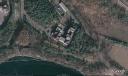
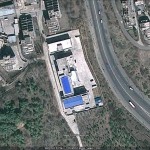
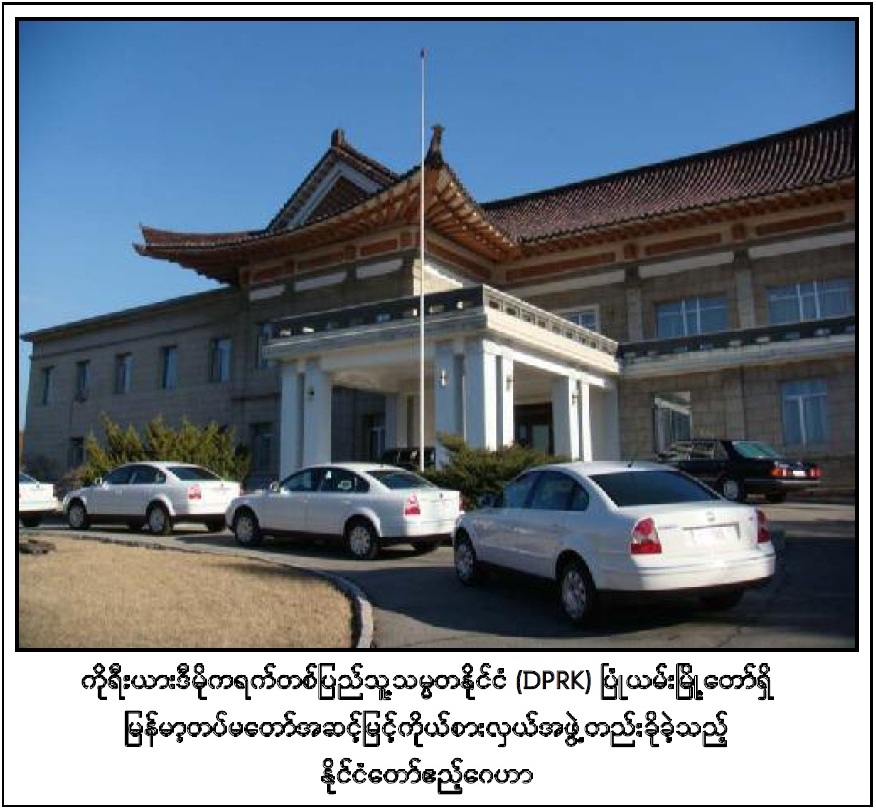
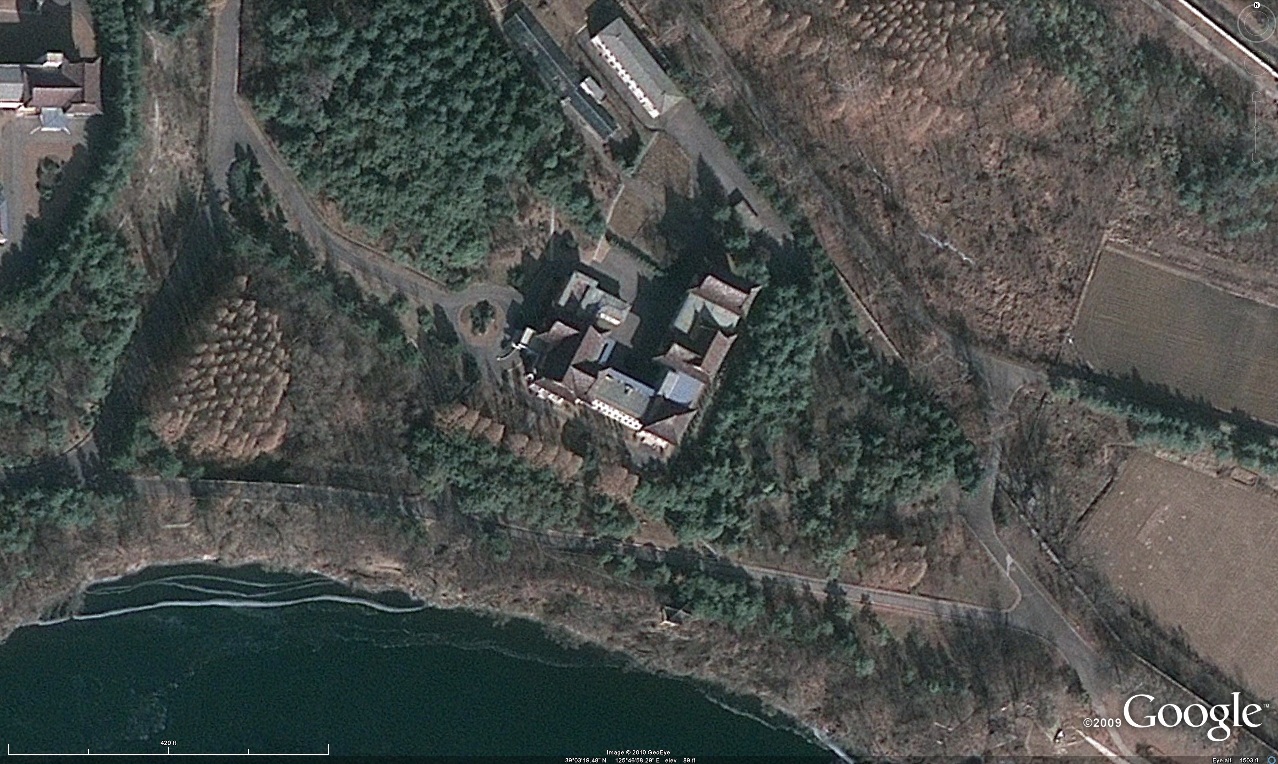
1. The Myanmar military delegation stayed in a “special hotel” for dignitaries behind Kamsusan Palace.  Previous guests have included the former King of Cambodia.  Below are frontal and satellite images:
myanmar-delegation-hotel.jpg myanmar-delegation-hotel-satellitel.jpg

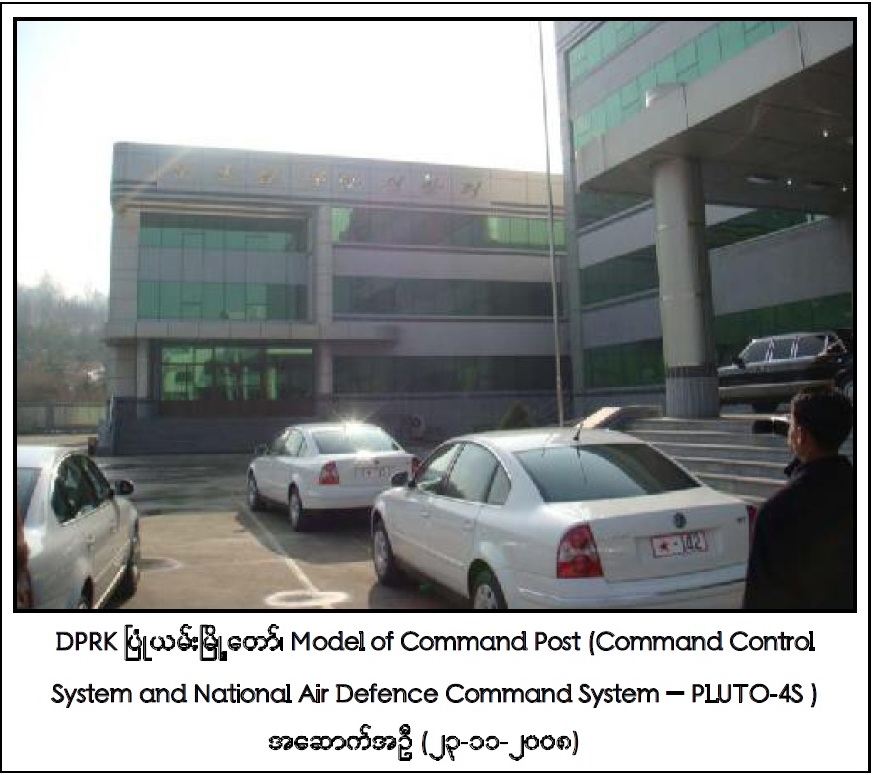
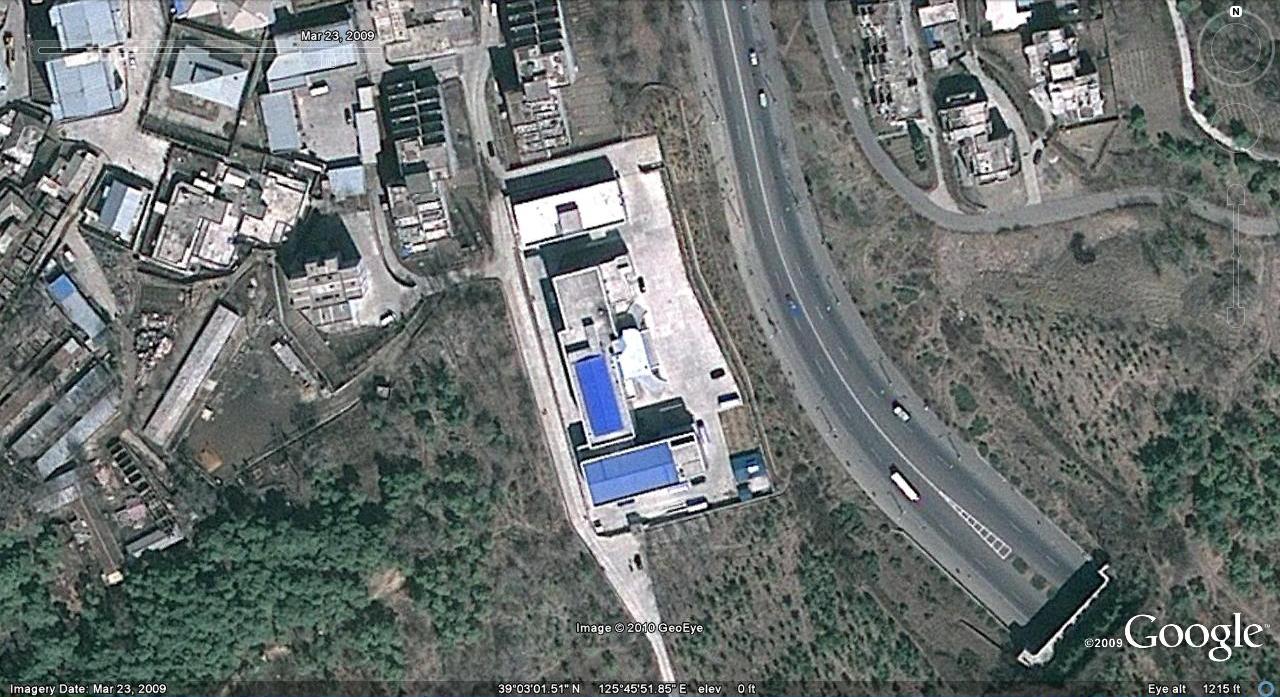
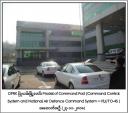
2. The delegation visited a facility called the “Model of Command Post”  (Command Control System and National Air Defense Command System – PLUTO – 4S).  Judging by the satellite imagery, this is a new facility.
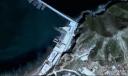
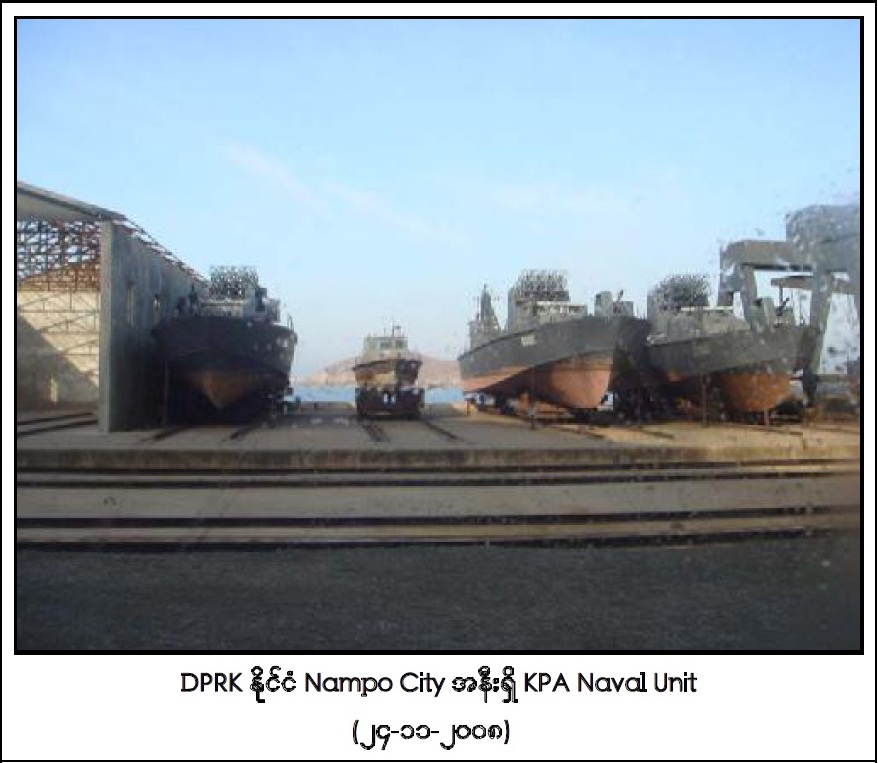
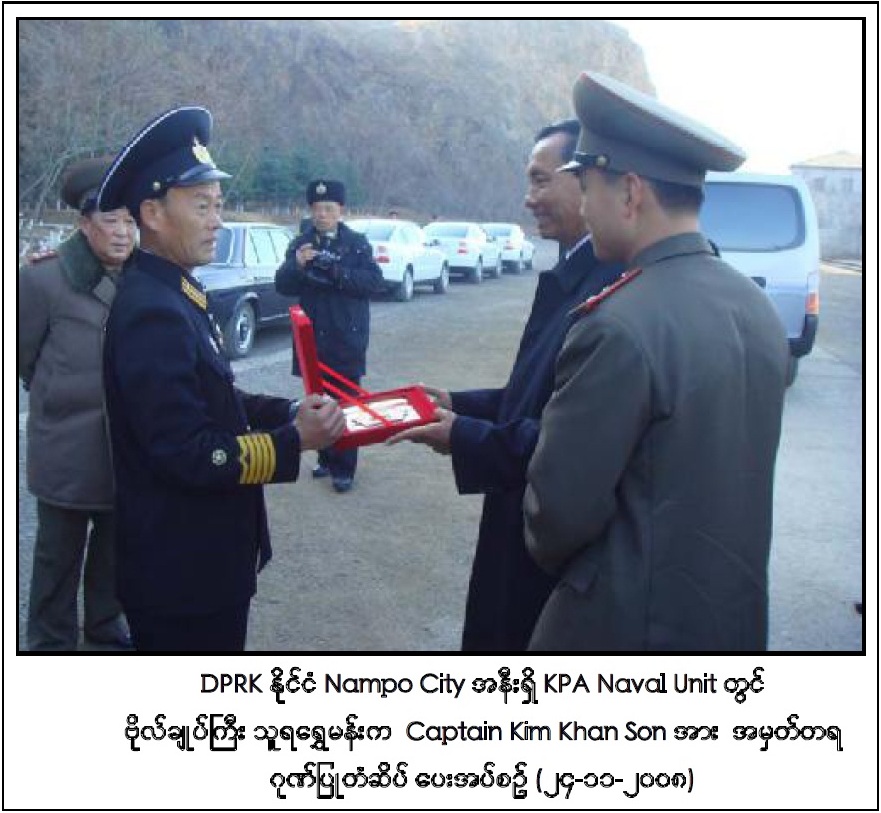
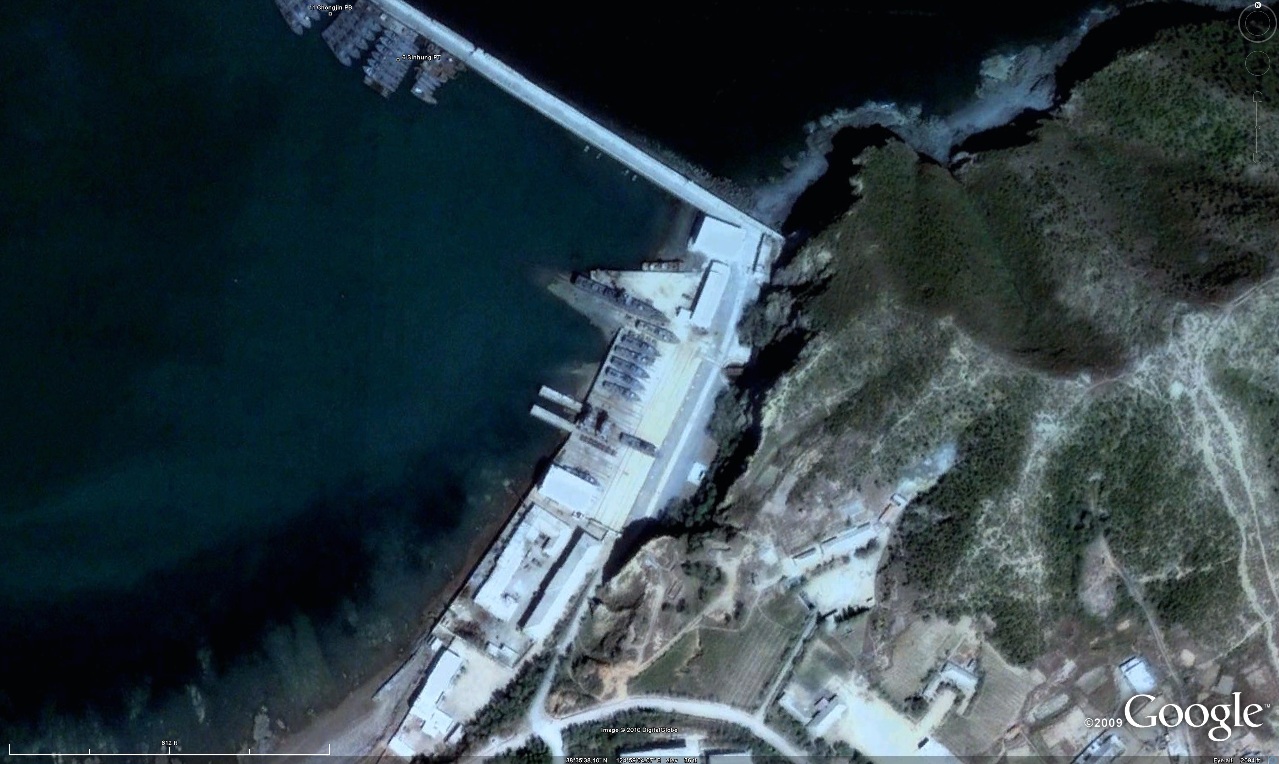
3. Judging from the pictures, the delegation seems to have visited the Pipagot Naval Base near Nampo. The South Koreans allege this base was involved in the sinking of the Cheonan.  We are not given this location in the pictures but we do know that the group was near Nampo at the time and that the pictures and satellite imagery of Pipagot are consistent.
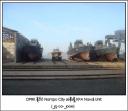
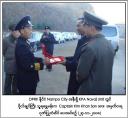
myanmar-delegation-pipagot-1.jpg myanmar-delegation-pipagot-2.jpg myanmar-delegation-pipagot-satellite.jpg

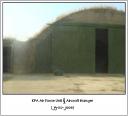
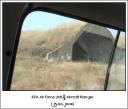
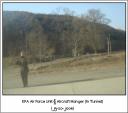
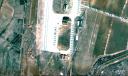
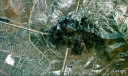
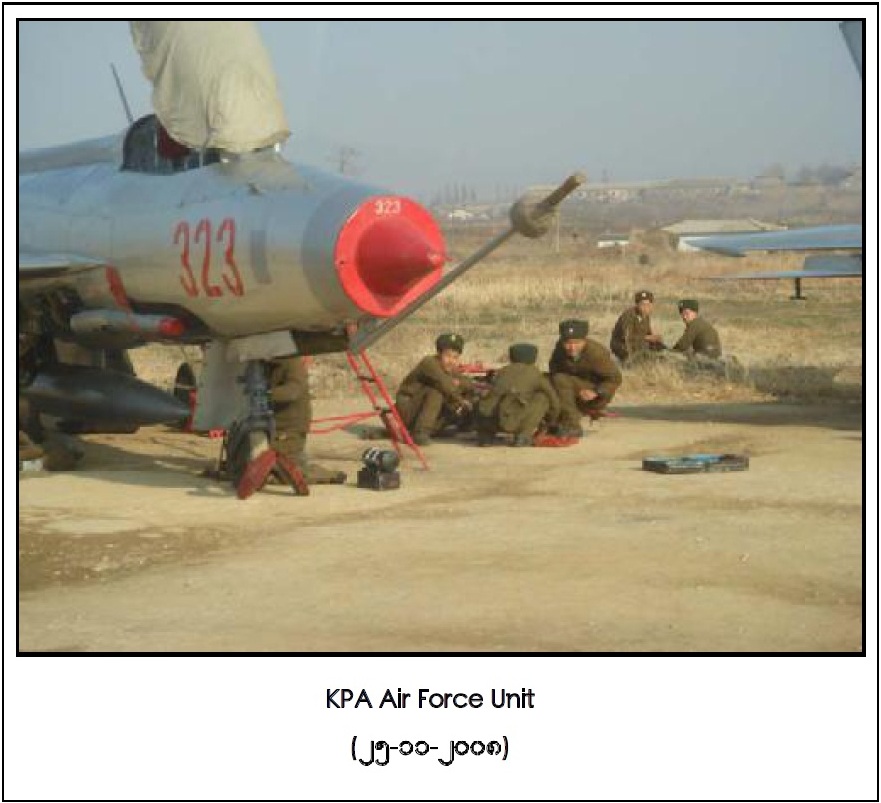
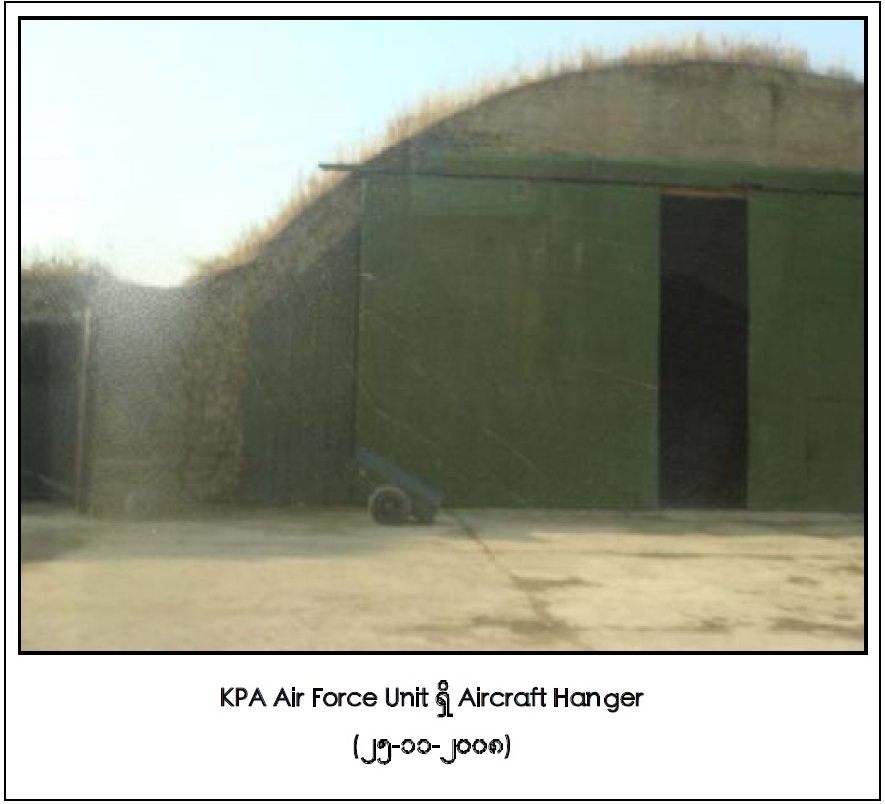
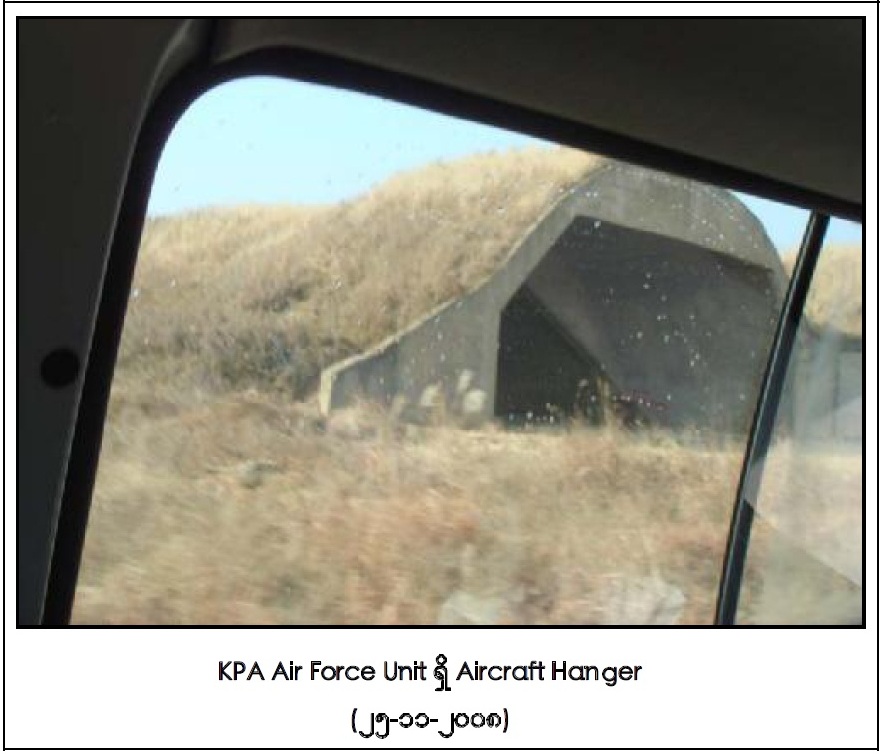
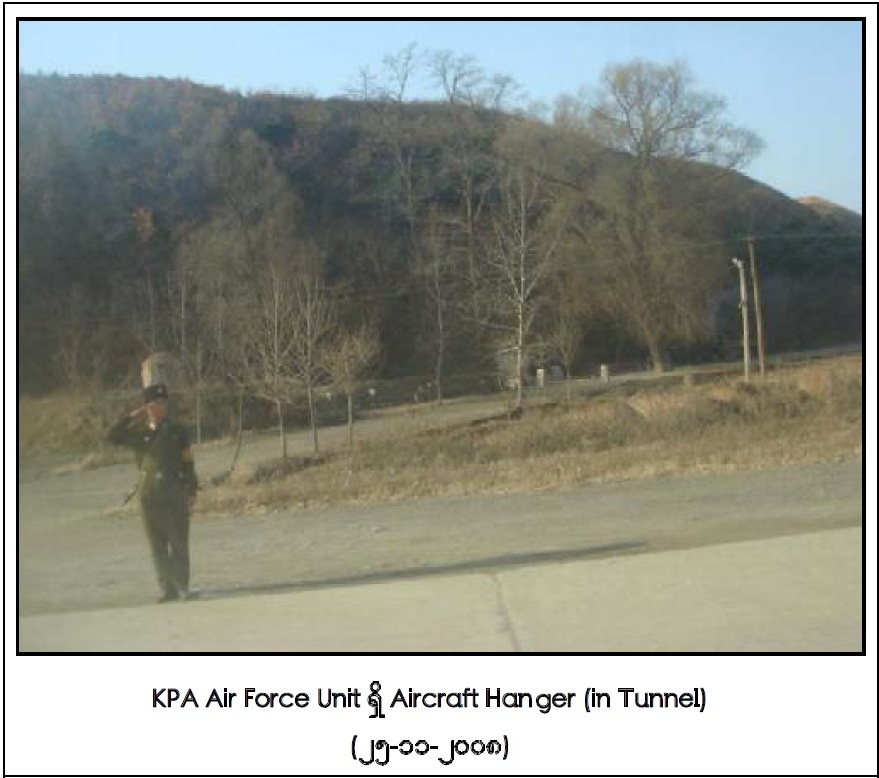
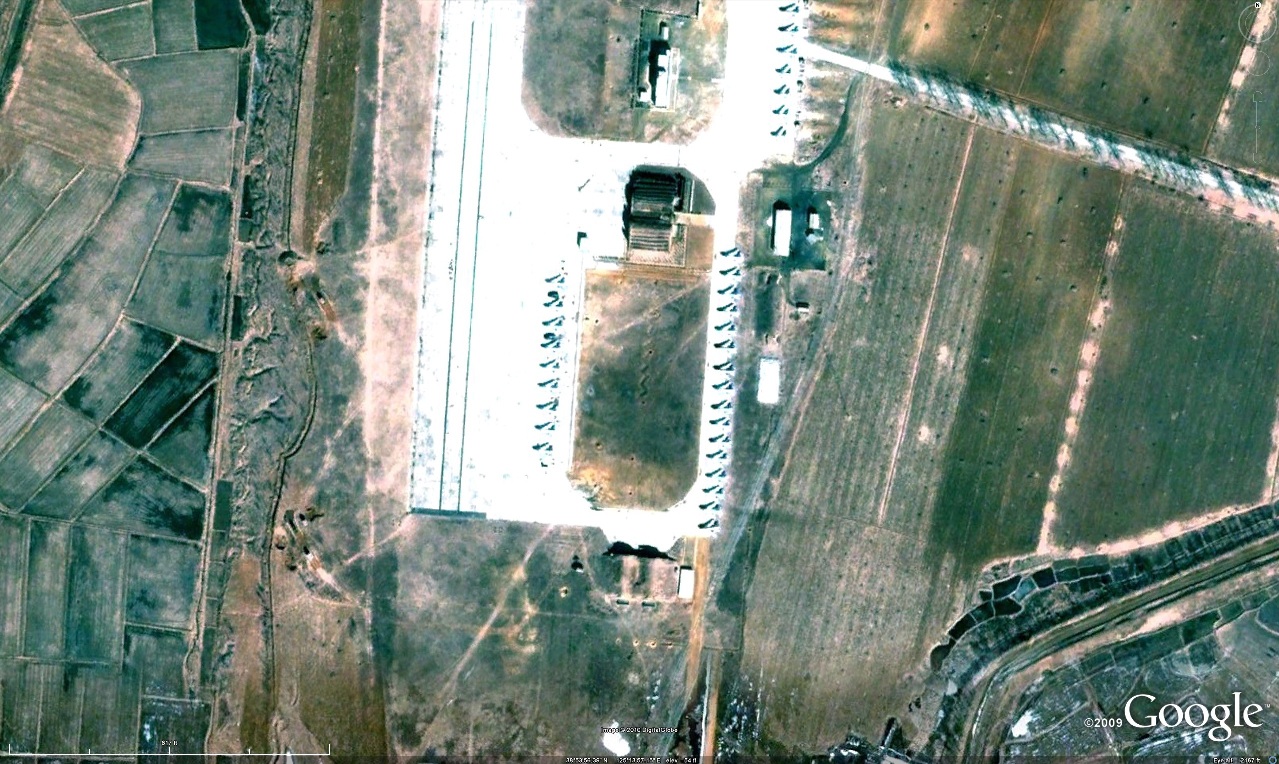
4. I believe that the pictures also confirm the Myanmar delegation visited the Onchon Air Force Base.  Again this is because we know the group was near Nampo, the photos and the satellite imagery of the area are consistent, and in the fourth photo below, the Burmese language caption acknowledges the existence of Onchon’s underground aircraft hangar.
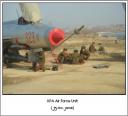
myanmar-delegation-onchon-1.jpg mynamar-delegation-onchon-2.jpg myanmar-delegation-onchon-3.jpg

myanmar-delegation-onchon-4.jpg myanmar-delegation-onchon-satellite-1.jpg myanmar-delegation-onchon-satellite-2.jpg

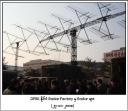
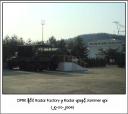
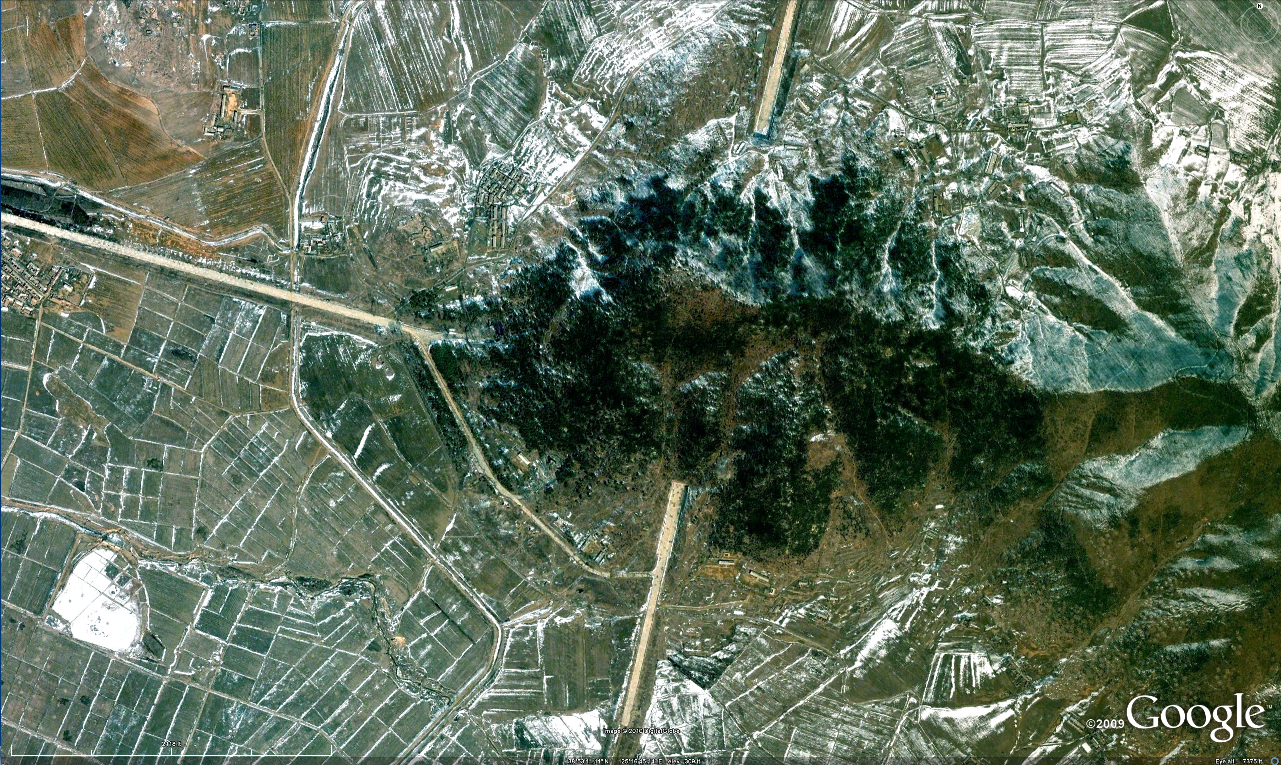
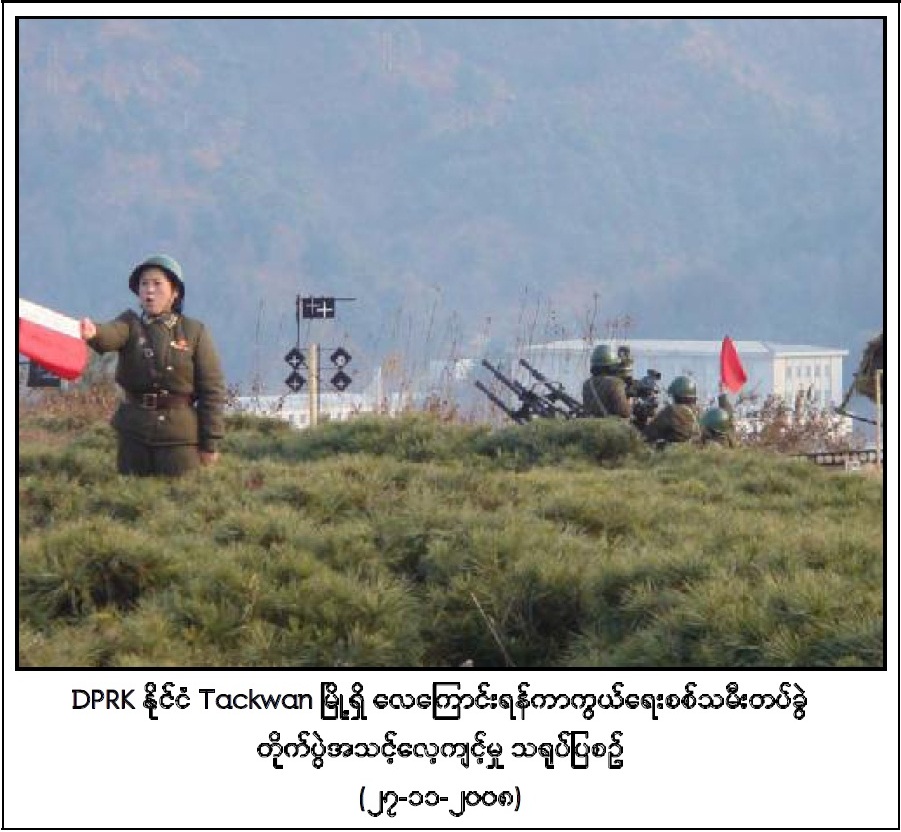
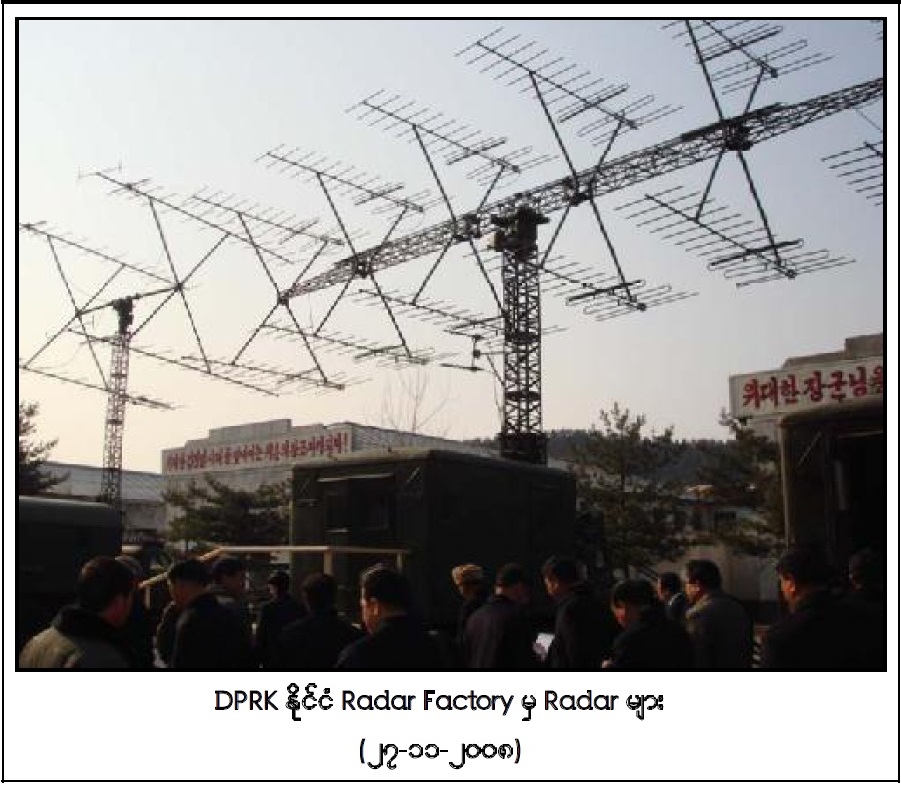
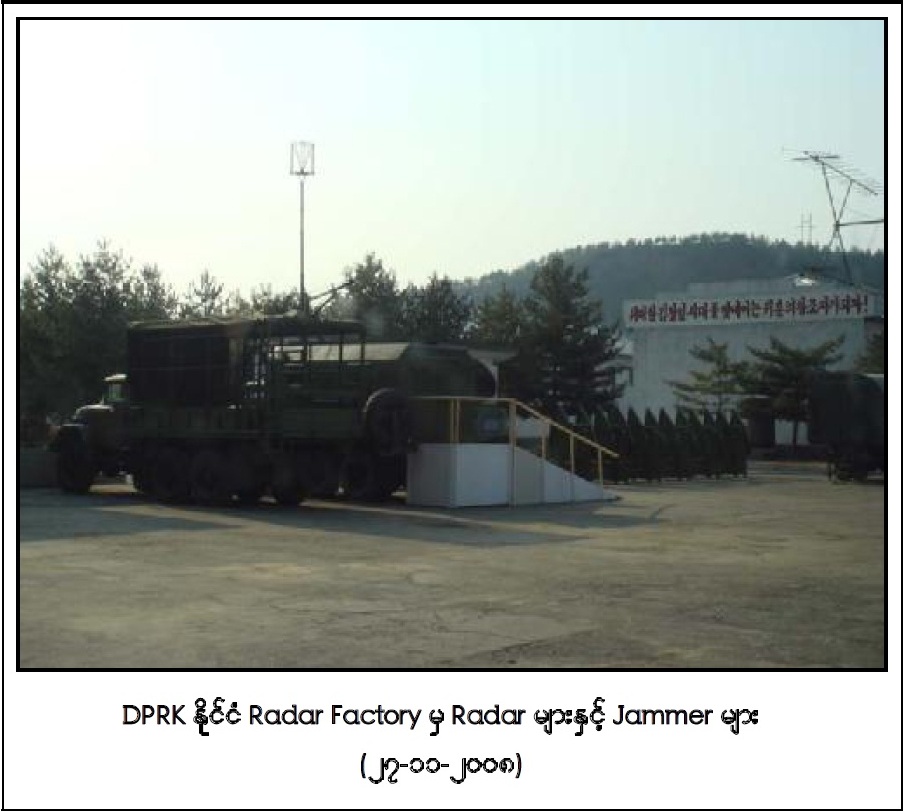
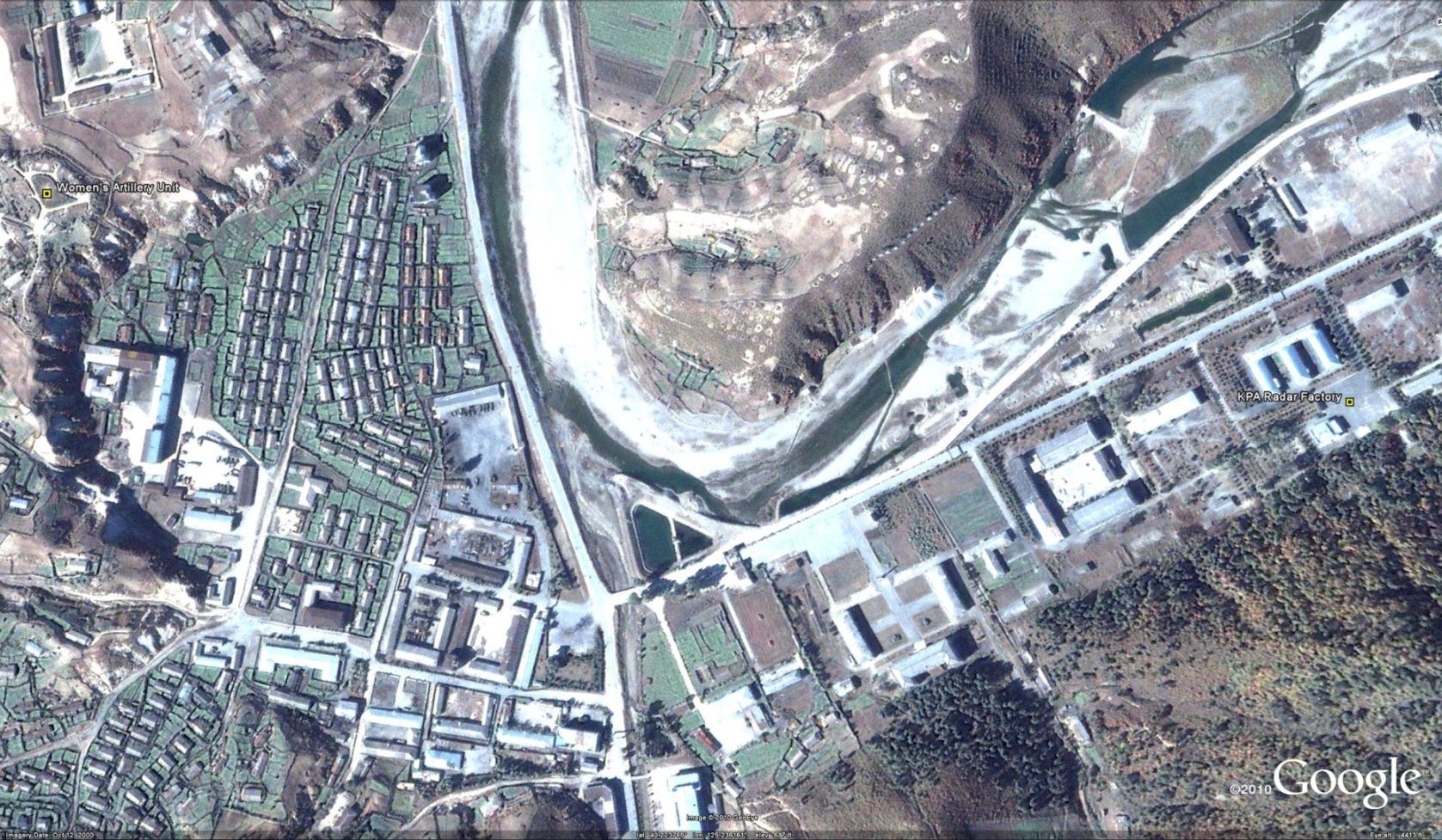
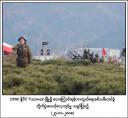
5. And finally, the photos claim that the delegation visited a number of facilities in a place called “Tackwon”:  A Women’s military unit, AA ammunition factory, anti-tank-laser-beam-guided-missile factory, radar factory, and Igla factory.  This location is is actually Taegwan (Daegwan, 대관) in North Pyongan Province (40°13’10.48″N, 125°13’27.32″E).  Of all the facilities mentioned in the itinerary, the only one from which we have ground-level photographs is the “Women’s Artillery Unit” and the  “Radar Factory”.
myanmar-taegwan-1.jpg myanmar-taegwan-2.jpg mynamar-taegwan-3.jpg

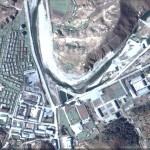
As of 12/8/2010 the imagery for this location is in high resolution on Google Earth and we can now pinpoint these locations.  The “Women’s Artillery Unit” is located at 40.218949°, 125.231670° and the “Radar Factory” is located at 40.228778°, 125.237964°.  They are pictured on the left- and right-hand sides of the following image:
Share

Air Koryo launches Shanghai-Pyongyang flights

Wednesday, July 28th, 2010

By Michael Rank

North Korea’s Air Koryo has begun twice-weekly direct flights between Shanghai and Pyongyang, a Chinese website reports.

The flights will run each Tuesday and Friday until October 5, leaving Shanghai at 1700 hours, arriving Pyongyang at 1950 and leaving Pyongyang at 1300 hours with the arrival time in Shanghai given rather vaguely as 16 hours.

It quotes the Korean Travel Agency as saying many Chinese [so-called] volunteers want to visit North Korea for the 60th anniversary of the Korean war, while August-October is the Arirang [Mass Games] season, so now is the time to come.

The report also says there is strong interest in visiting North Korea in eastern China around Shanghai, but it until now passengers had to change planes in Beijing or Shenyang which added to the cost and was inconvenient.

It says the first flight was on July 16 and gives the flight numbers as JS522/21. It also gives phone numbers, etc for tourists interested in booking a seat.

Share

ROK raises barriers to trade with DPRK

Wednesday, July 28th, 2010

According to Yonhap, the South Korean government is subsidizing firms as they transition away from trade with North Korean firms:

South Korea will provide low-interest loans worth a total of about 60 billion won (US$50 million) to companies troubled by a government ban on trade with North Korea, an official said Monday.

The loans are aimed at alleviating the financial trouble of the companies, which started when South Korea implemented a ban in May in retaliation for the March 26 sinking of its warship near the Yellow Sea border with North Korea, Unification Ministry spokesman Chun Hae-sung said in a briefing.

“Each company will be eligible to receive a loan of up to 700 million won with a 2 percent interest rate, based on the volume and type of trade the companies have been doing for the past year,” he said, adding the measure will take effect next week.

Hundreds of companies had to stop trading with North Korea after South Korea announced that a multinational investigation found the communist state responsible for the Cheonan sinking, which claimed the lives of 46 sailors.

Yonhap also reports  South Korean companies operating in the DPRK will once again be banned from shipping goods and materials for consignment trade with the DPRK from early next month:

The application deadline was set for Aug. 10, when the temporary lift of the existing ban will end, the ministry said.

On May 24, South Korea prohibited all shipments to the North as part of punitive actions against the communist neighbor it blamed for a deadly torpedo attack on one of its warships. The March 26 sinking in the Yellow Sea killed 46 sailors.

More than 500 hundred South Korean companies were doing consignment trade with the North, in which they send raw material and bring back processed goods. Such trade amounted to US$254 million in 2009.

Seoul’s shipment ban seriously affected South Korean businesses operating at the North’s border city of Kaesong, where some 120 firms from the South operate manufacturing lines using the North’s relatively cheap labor costs.

The companies’ complaints forced the government to temporarily lift the ban, on condition that the business contracts were made before May 24.

Read the full stories here:
S. Korea to offer loans to companies banned from trading with N. Korea
Yonhap
7/26/2010

S. Korea to re-impose ban on materials shipments to N. Korea after temporary lift
Yonhap
7/28/2010

Share

DPRK seeks to repay debt in ginseng

Wednesday, July 28th, 2010

UPDATE: This story was picked up by the Financial Times (8/11/2010):

North Korea has offered the Czech Republic 20 tonnes of ginseng in lieu of payment for some of its debts.

However, Prague has turned down the deal, instead suggesting that Pyongyang pays in the valuable mineral zinc, which can be resold on international markets.

North Korea owes the Czech Republic $10m from the days when the Czech Republic was under communist rule and the two countries traded with each other regularly. Communist Czechoslovakia was a leading supplier of trucks, trams and machinery to North Korea, creating a large pile of debt.

Pyongyang reportedly offered $500,000 worth of ginseng, a root which is reputed to boost memory, stamina and libido, as a down payment.

However, consumption of ginseng in the European country is low, with just 1.4 tonnes used each year.

North Korea’s economy is struggling as international sanctions tighten and it hopes to be able to barter its way out of handing over valuable cash.

Non-cash transactions between socialist countries is common, with Cuba sending Venezuela doctors in exchange for discounted oil.

A Czech government spokesman has said that the countries were in negotiation over how the debt would be paid.

“We have been trying to convince them to send, for instance, a shipment of zinc,” the deputy finance minister told the MF Dnes newspaper.

ORIGINAL POST: According to the Korea Times:

North Korea has offered to pay its debt to the Czech government with ginseng, according to a local Czech daily newspaper.

MF DNES, a daily newspaper based in Prague, reported last Saturday that North Korea has recently suggested to the Czech Finance Ministry that it would pay 5 percent of its debt — approximately $500,000 — with ginseng.

“We are trying to persuade them (North Korea) to give us, for example a bulk of Zinc instead, so that we could sell it to someone else,” Tomas Zidek, deputy finance minister, told the newspaper in Czech.

North Korea is believed to have a significant amount of zinc in deposits.

The paper went on to say the consumption of ginseng in the Czech Republic is very small, and it only imported 1.4 tons last year. The amount of ginseng worth $500,000 will be roughly 400 tons, securing the supply for more than 200 years.

But, to Czech’s disappointment, North Korea seemed to have made up its mind, as it sent a delegation with samples of ginseng.

North Korea is known to be Czech’s 10th biggest debtor, which goes back to the communist governments. The North bought many trams and vehicles from former Czechoslovakia.

Read the full story here:
North Korea wants to pay back debt in ginseng
Korea Times
Kim Se-jeong
7/26/2010

Share

Complex organization of North Korean companies

Tuesday, July 27th, 2010

According ot the Choson Ilbo:

Hong Kong government investigators have inspected an office in the territory belonging to North Korea’s Taepung International Investment Group as part of U.S.-led financial sanctions against North Korea. Taepung is charged with attracting foreign investment to the North.

Investigators say that the company registered itself under the address Rm.# 2508, Lippo Centre, Hong Kong with the authorities, but the only office at that address is the Law Office of Ho, Wong and Wong.

Companies registry documents obtained by the Chosun Ilbo show a complicated network of related businesses. It was established in April 2006 with parent company Taepung International Investment Holdings owning all of its shares. Taepung is capitalized at 20 million Hong Kong dollars (W3.2 billion).

It registered a company called Saiying, also listed at the Lippo Centre address, as its corporate secretary, which serves as a bridge with the Hong Kong government. China Deals Finder, which was in turn registered as the corporate secretary of Saiying, also has the same address.

The parent companies of both Saiying and CDF are registered under the same address in tax haven the Virgin Islands. They are paper companies capitalized at 50,000 and 10,000 dollars respectively and have shifted addresses, board of directors and secretaries several times. The law office of Ho, Wong and Wong handled the reporting of each change.

“It appears that Taepung turned to the aid of a legal expert to conceal the identity of its true owner and make it difficult to track its financial activities,” said a financial expert in Hong Kong.

The Hong Kong government has stressed its intend to comply with UN resolutions  According to Yonhap:

The government of Hong Kong affirmed its commitment Friday to continue implementing punitive U.N. sanctions imposed on North Korea to end its nuclear ambitions.

“Hong Kong will continue to exercise vigilance in enforcing our regulation to effectively implement the United Nations Security Coucil sanctions against DPRK,” Josephine Lo, an official at the Commerce and Economic Development Bureau of the Hong Kong government, told Yonhap News, using the North’s official name, the Democratic People’s Republic of Korea.

“Our law enforcement agencies will take appropriate actions on those found in violation of the laws,” she said.

The comment was made after U.S. Secretary of State Hillary Clinton’s announcement Wednesday that the U.S. will hit North Korea with a new set of sanctions to punish it for its sinking of a South Korean warship and prevent it from further provocations.

Those sanctions will “strengthen our enforcement of U.N. Security Council resolutions 1718 and 1874” adopted after North Korea’s first and second nuclear tests in 2006 and 2009, Clinton said at a joint press conference in Seoul after a meeting with South Korea’s foreign and defense ministers.

Hong Kong legislated what is called the U.N. Sanctions Regulation in June 2007 to implement the U.N. Security Council Resolution 1718, according to Lo.

In January, Hong Kong amended the regulation to implement the new and expanded sanctions against North Korea under the Security Council Resolution 1874, she said.

A source here said earlier Friday that the United States has identified about 200 bank accounts with links to North Korea, and that the country is expected to freeze some 100 of those suspected of being used for weapons exports and other illicit purposes banned under U.N. resolutions.

The U.S. State Department said the U.S. will carry out new sanctions within two weeks to cut off money from illicit trafficking of weapons of mass destruction and counterfeit currency or luxury goods flowing into the North Korean leadership.

North Korea has bristled at the announcement of new sanctions and Seoul’s plan to conduct large-scale joint naval exercises with the U.S., claiming the moves pose grave threats to regional peace.

Read the full stories here:
Probe Reveals Elusive Structure of N.Korean Company
Choson Ilbo
7/26/2010

Hong Kong to continue implementing U.N. sanctions on N. Korea
Yonhap
Kim Young-gyo
7/23/2010

Share